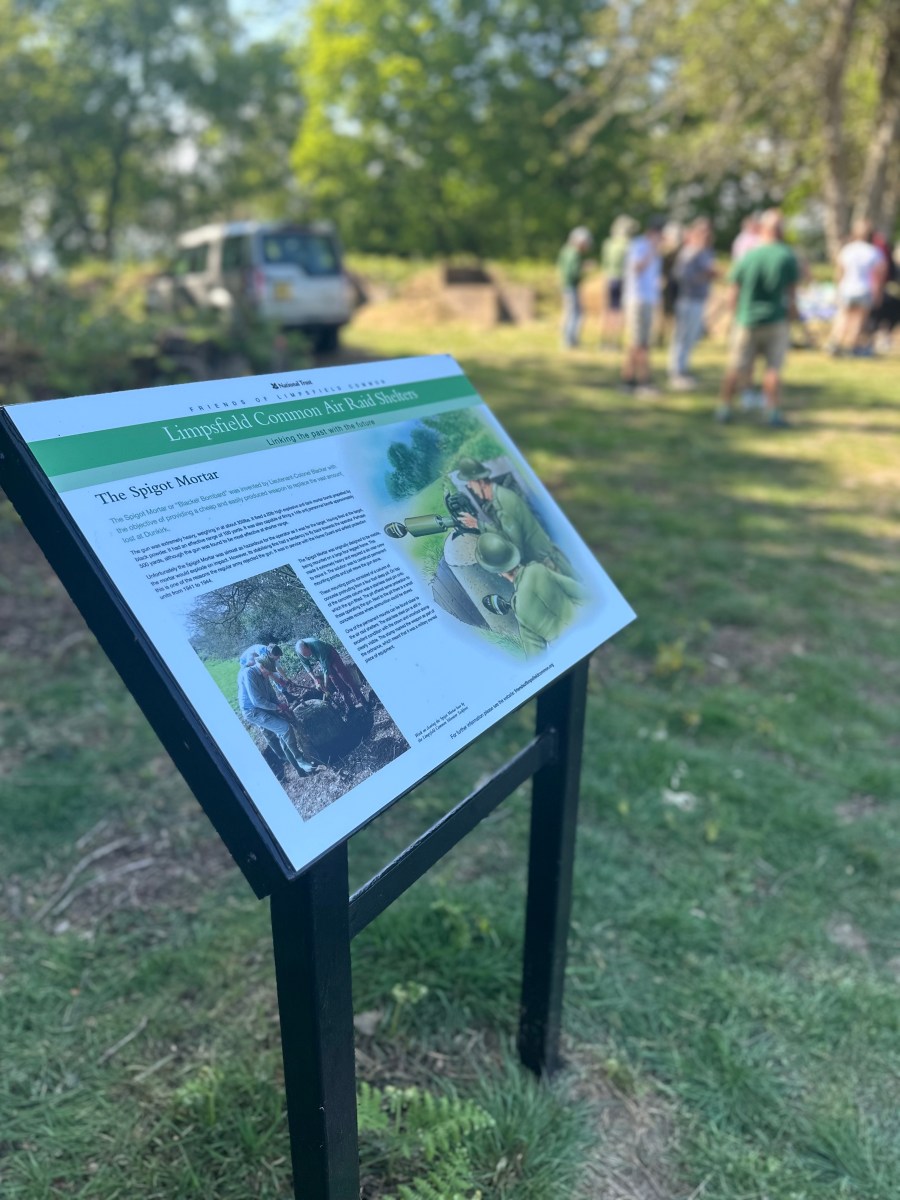
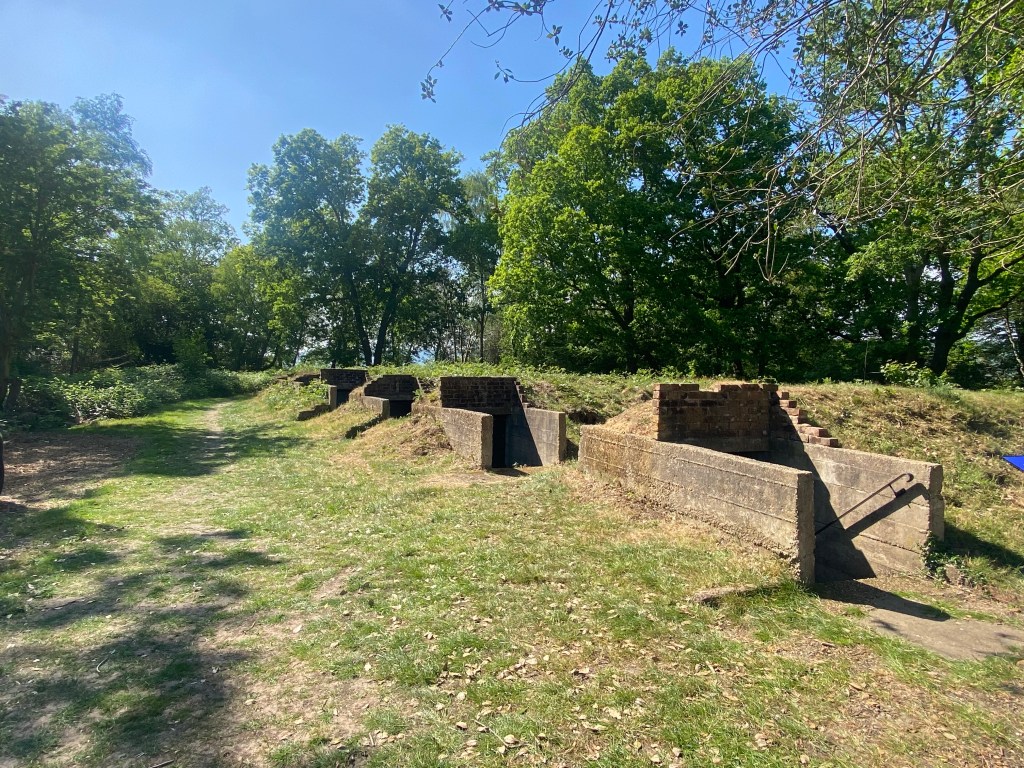
Hidden beneath the peaceful woodland of Limpsfield Common, on the edge of the cricket pitch at Grub Street, lies one of the area’s most fascinating reminders of wartime Surrey — the Limpsfield Air Raid Shelters. This spring, the shelters once again captured the imagination of visitors as they opened to the public as part of this year’s Surrey Day celebrations on 9 May.
The popular open afternoon proved another huge success, with all tours fully booked on Eventbrite well in advance and more than 115 registered visitors attending throughout the day, alongside many other visitors, passers-by and cricket spectators keen to take a look.
Visitors were welcomed by a wonderfully enthusiastic team of volunteers, coordinated by Chart resident Rob Davey, including a merry band of “Dad’s Army”-style guides dressed in WWII attire, who brought the shelters and their history vividly to life with stories and anecdotes about Limpsfield during the Second World War.
The event raised £215 in donations towards ongoing maintenance and interpretation work.
Publicity for the event generated excellent local coverage, including features on the BBC website and a live interview on BBC Radio Surrey on the morning of the event itself.
This year also marked a successful first official collaboration with the Royal British Legion Limpsfield, who provided refreshments, drinks and rolls for visitors throughout the afternoon. The Legion also hosted an accompanying exhibition in its bar area featuring posters about the shelters and the wider Limpsfield Common area.
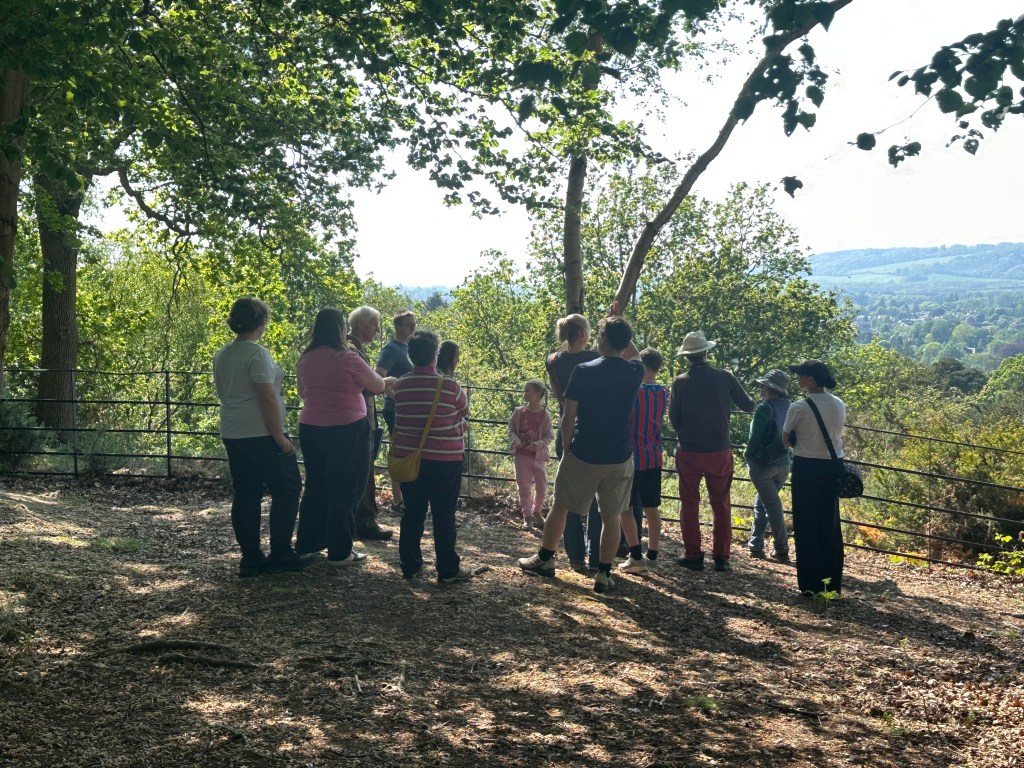
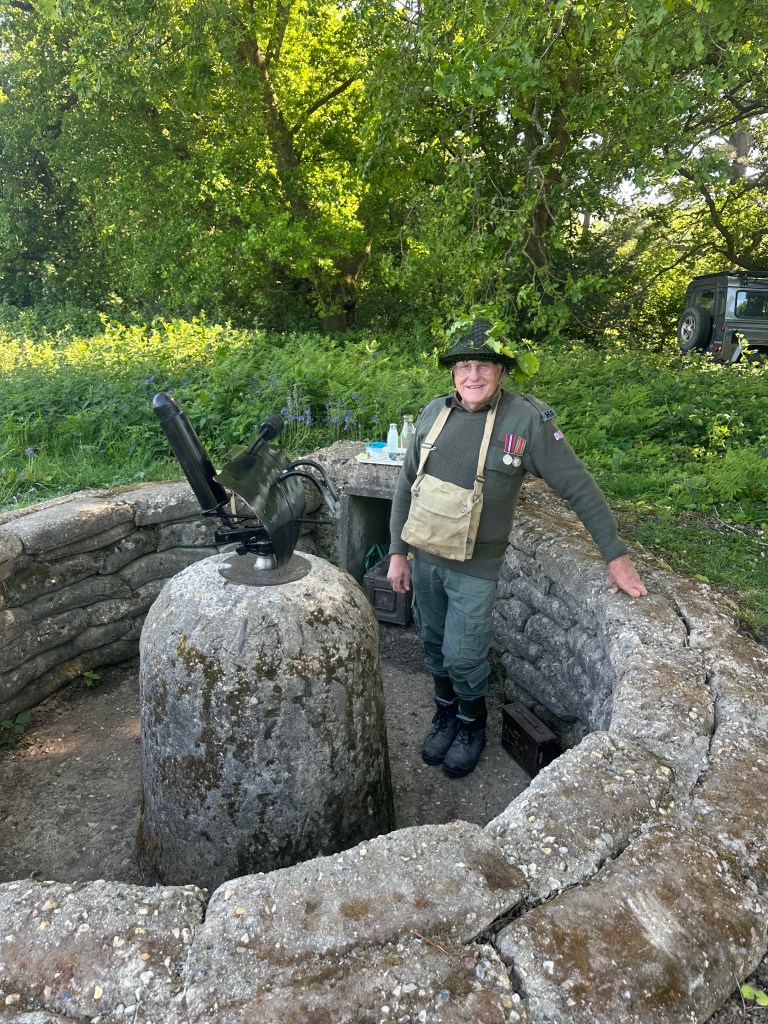
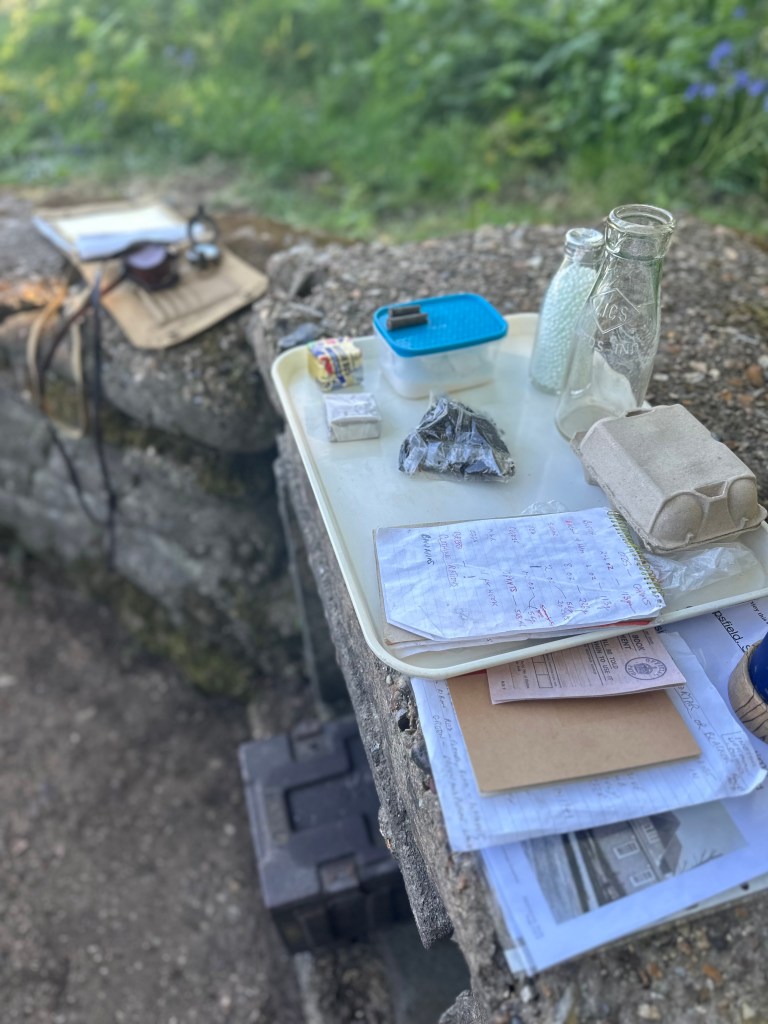
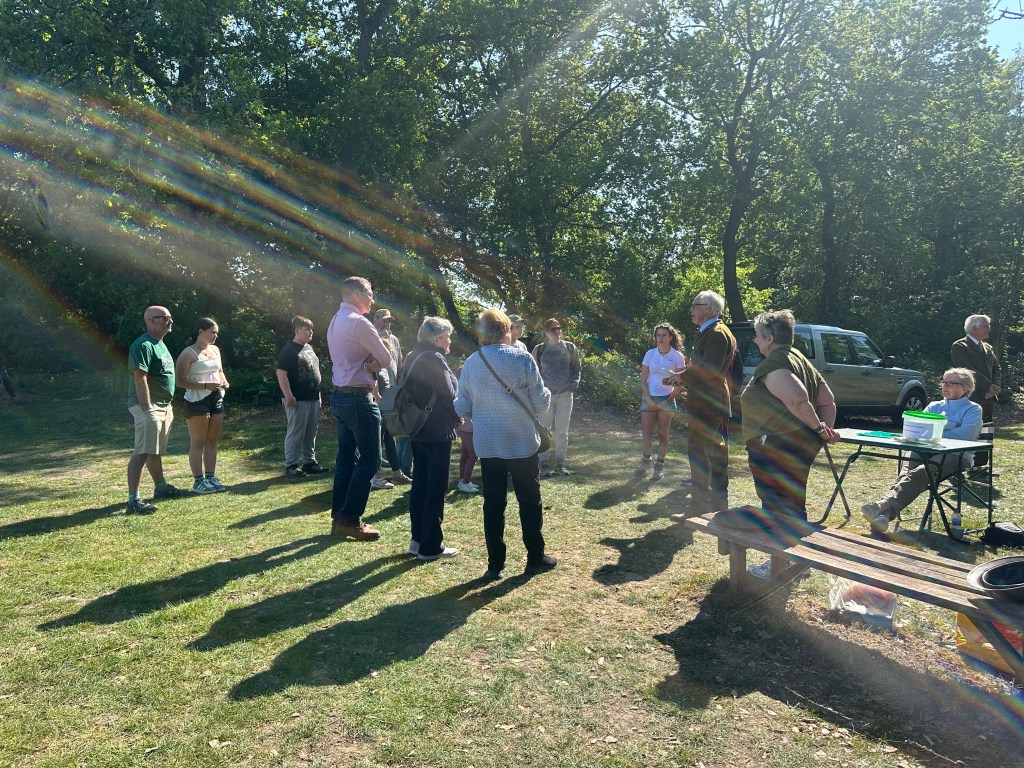
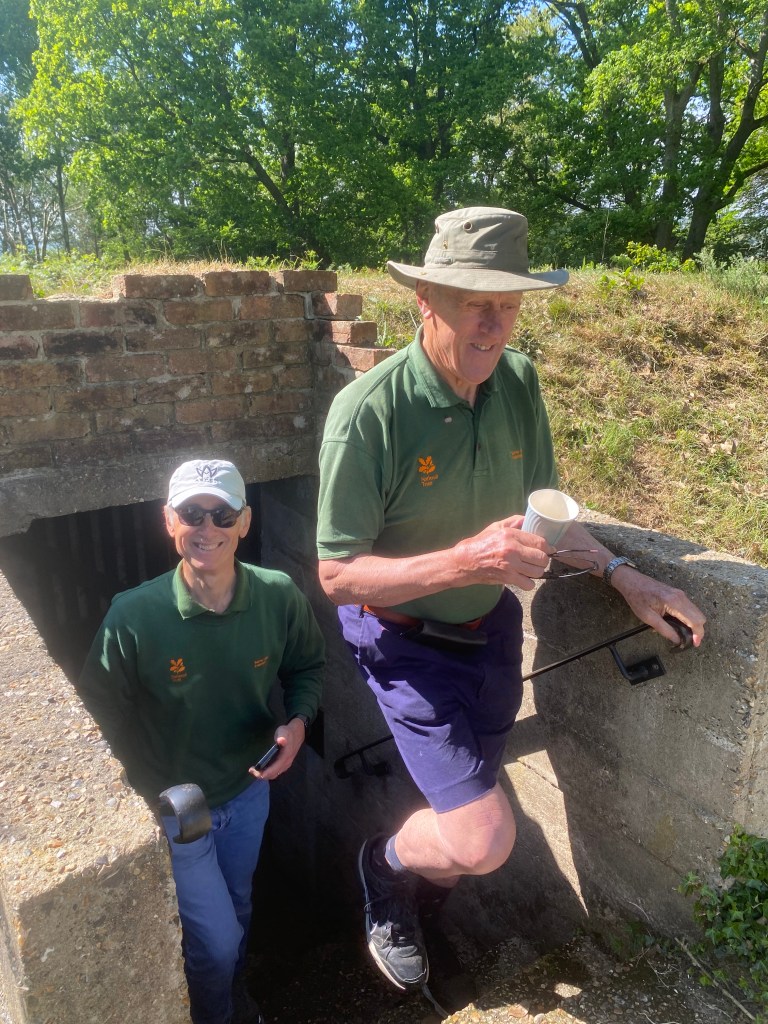
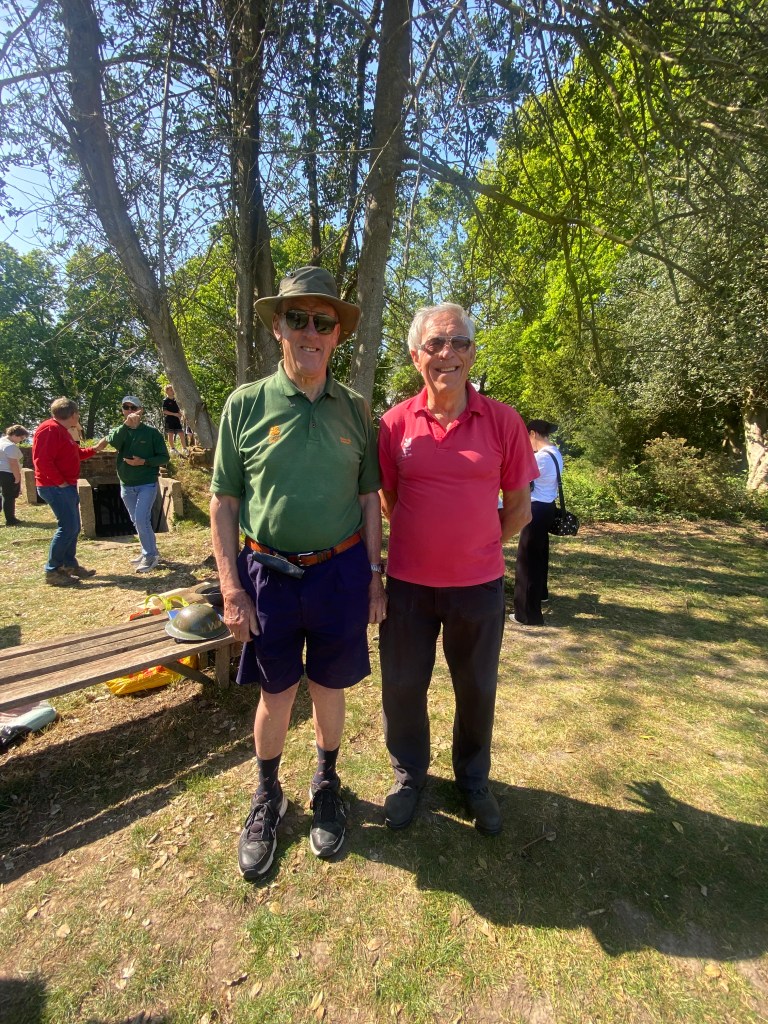
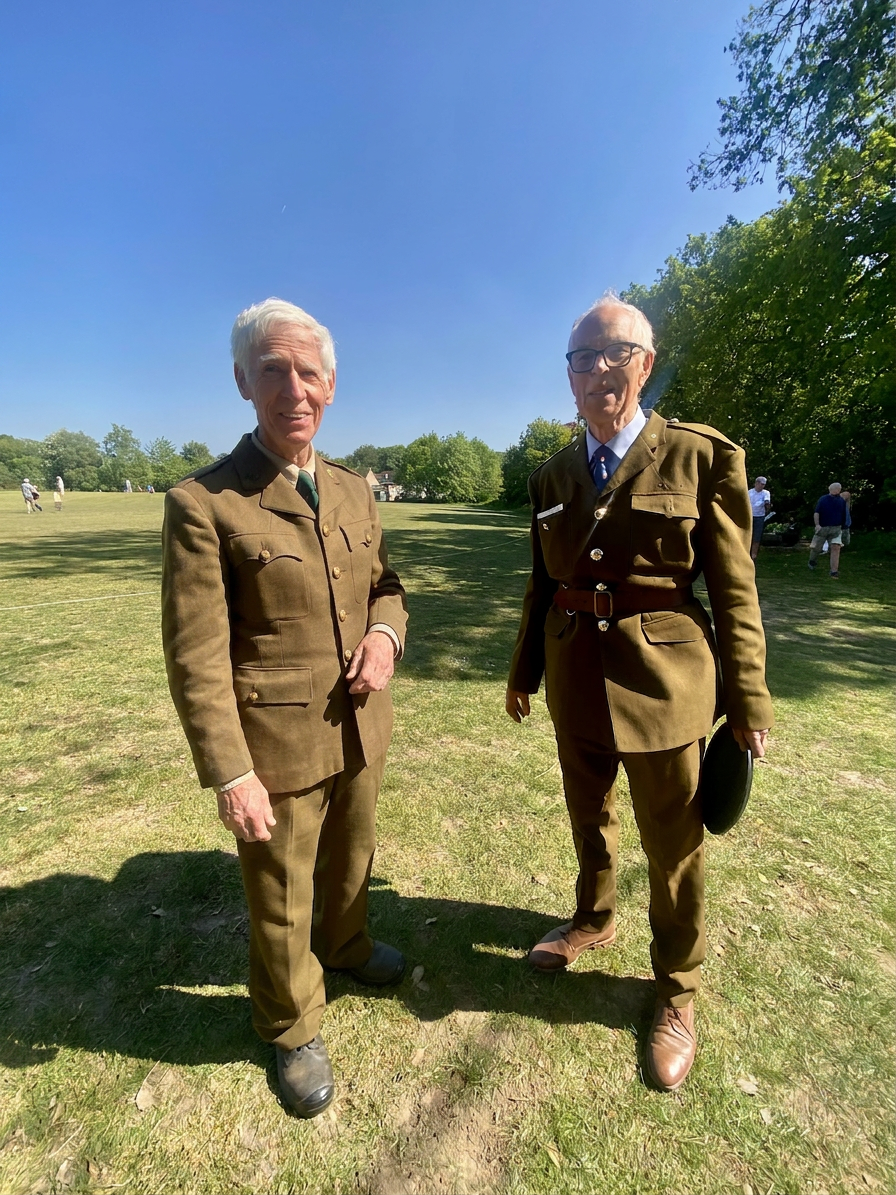
Behind the scenes, a huge team effort ensured the smooth running of the afternoon. John R and Martin C helped trial a new sound system, while Lorna expertly managed visitor check-ins and donations. Thanks were also extended to Tony, Martin E, Martin C, Peter W, John R, Phil F, Nigel S and Alan S for guiding tours, speaking with visitors and helping create such a warm and welcoming atmosphere throughout the day.
Despite an active cricket match taking place nearby — complete with several enthusiastic sixes — organisers were pleased to report that there were no “friendly fire” incidents! Visitors and players alike enjoyed the light-hearted wartime atmosphere, including the sounding of the air raid siren, with cricketers successfully advised not to evacuate the pitch.
The shelters themselves remain a remarkable survival from wartime Britain. The six “trench-style” shelters were built at the start of the Second World War to protect pupils from Limpsfield School during German air raids. Each shelter could accommodate around 50 children and was constructed with thick concrete walls and roofs designed to protect against bomb splinters, shell fragments and machine-gun fire.
Located around 500 metres from the school buildings, children and teachers would run across the cricket ground and surrounding fields whenever the air raid siren sounded — or when headmaster Mr Moulding rang the school bell. If enemy aircraft were overhead before they reached the shelters, pupils were instructed to lie flat on the ground until it was safe to continue.
Inside, children sat on wooden benches lining the walls while lessons attempted to continue beneath the sound of aerial dogfights overhead during the Battle of Britain. The shelters were dimly lit with oil lamps, although evidence suggests electricity was later installed. At the far end of each shelter was a small curtained-off toilet area and an emergency escape hatch accessed by ladder.
The shelters were not only used during school hours. During night-time bombing raids, local families also took refuge there as German bombers passed overhead en route to London. In one nearby dogfight, a German Messerschmitt 109 fighter aircraft crashed close to the shelters near New Road, reportedly filling the tunnels with thick black smoke.
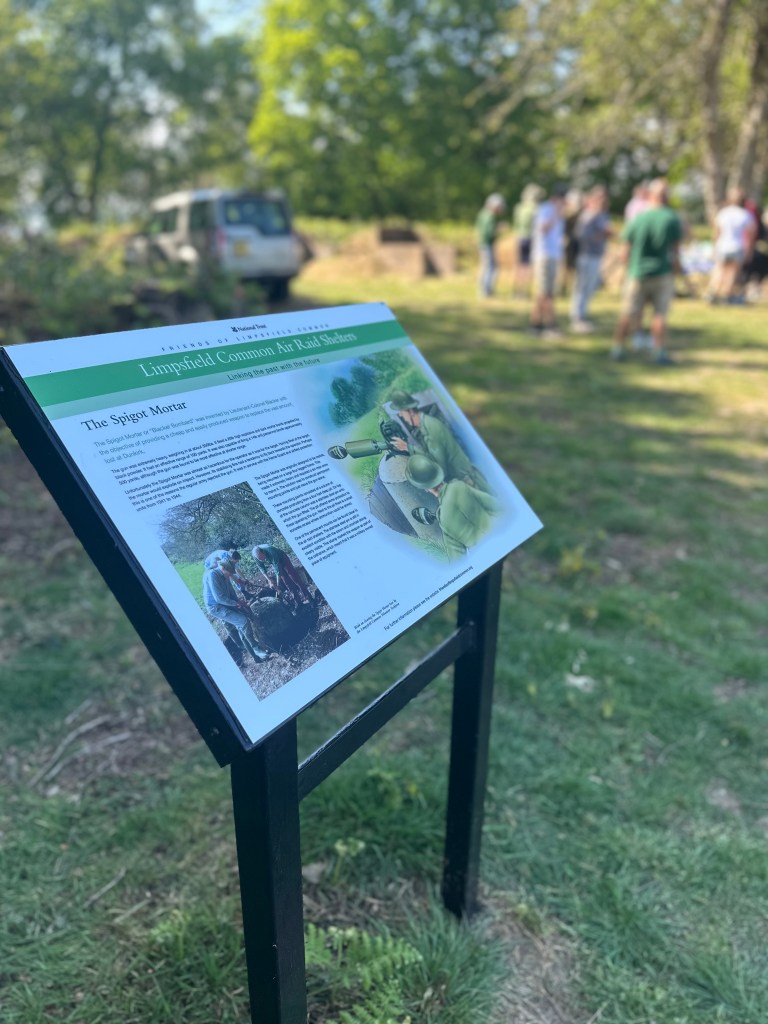
Near the shelters are also the remains of a rare “Spigot Mortar” — also known as a Blacker Bombard — a heavy anti-tank weapon issued to the Home Guard during the war. These unusual wartime features are among the hidden remnants of WWII still scattered across Limpsfield Common today.
After the war, the shelters became overgrown and risked being lost altogether until restoration work began in 2006. In recent years, the Friends of Limpsfield Common volunteers and the National Trust Task Force have continued working hard to conserve and improve the site, helping make it more accessible and engaging for visitors while protecting its historic character.
The growing popularity of the open days demonstrates just how much interest there is in preserving and sharing Limpsfield’s local history. For many visitors, the shelters offer not only a fascinating glimpse into wartime life but also an opportunity to hear personal stories, learn about the experiences of local residents and appreciate the important role the Common played during WWII.
As part of a new project the Friends of Limpsfield Common also hope to create two new trails across the Common: a heritage trail and a dedicated WWII trail. These would guide visitors to several wartime sites, including additional spigot mortar positions, the Messerschmitt crash site and the former Italian prisoner-of-war camp.
Another Air Raid Shelter Open Day is planned for Sunday 19 July from 2pm–5pm. Tours have already proved extremely popular and are currently fully booked online, although organisers are considering releasing an additional time slot due to demand and the team will usually do their best to accommodate additional visitors on the day.
www.friendsoflimpsfieldcommon.org
Discover more from Friends of Limpsfield Common
Subscribe to get the latest posts sent to your email.

