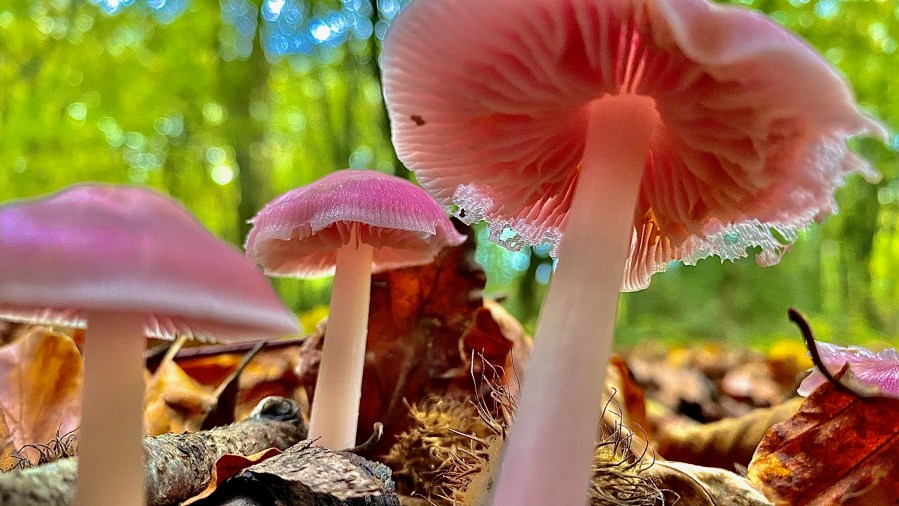
We are incredibly lucky on Limpsfield Common to have a vast array of wildlife, and some very rare species, which is why we are so dedicated to preserving their habitats.
In 2017, renowned etymologist, Graeme Lyons was engaged by the National Trust to carry out a survey and provide recommendations for management based on these findings. In conjunction with his visits, a public “bioblitz” in August 2018 at Pebble Hill also provided further information, as well as a standardised reduced-visit Common Birds Census carried across the whole common in 2018.
The Biological Survey of 2017 (paid for by the Friends of Limpsfield Common) identified at least 1,237 species of flora and fauna on Limpsfield Common. There are very likely many thousands more. This survey has set out a vision to conserve the biodiversity of Limpsfield Common and takes steps to restore parts of the Common (such as the Yalden Spring).
Of the 773 species of animals, 446 of were invertebrates, and 24 of these were known to have conservation status (5.4%). Of these scarce species, many require short, dry grassland, deadwood, heather and/or flowers to survive and this is another reason for our continued commitment to preserving our heathland.
Today on Limpsfield Common we can boast mammals, birds, butterflies, moths, lizards, spiders, molluscs, beetles, fungi, lichen, bees, bugs, as well as an amazing array of vegetation, from majestic, ancient trees to wood sorrel, bluebells and foxgloves.
We also have invasive species, such as scrub, cherry laurel and rhododendron ponticum to contend with, and a worrying lack of hedgehogs…but we are working hard to try to improve and re-instate environments that will help to allow these species to thrive.
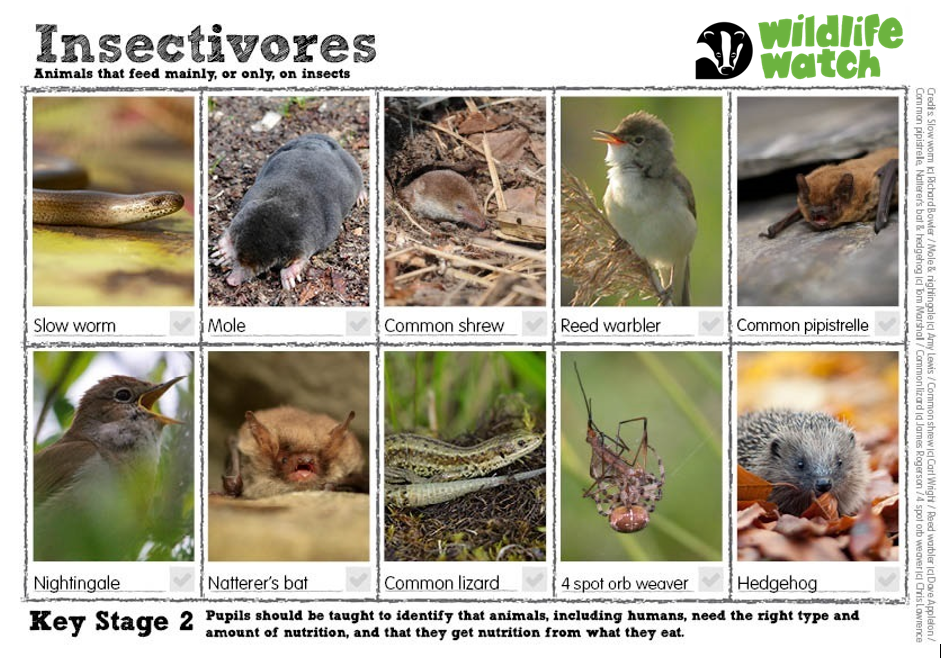
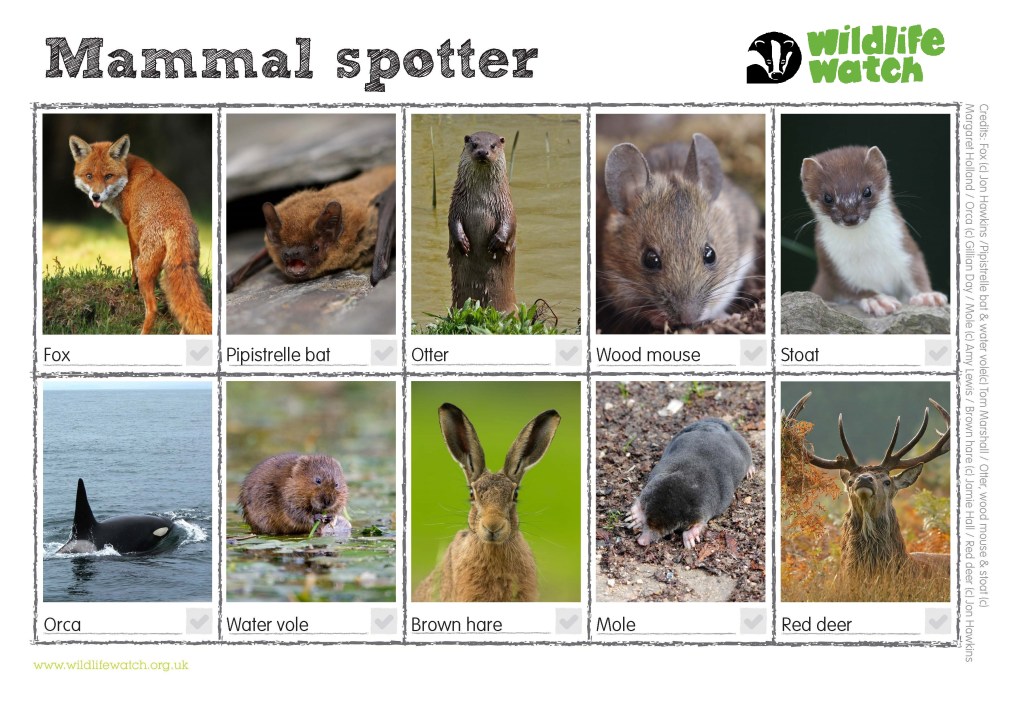
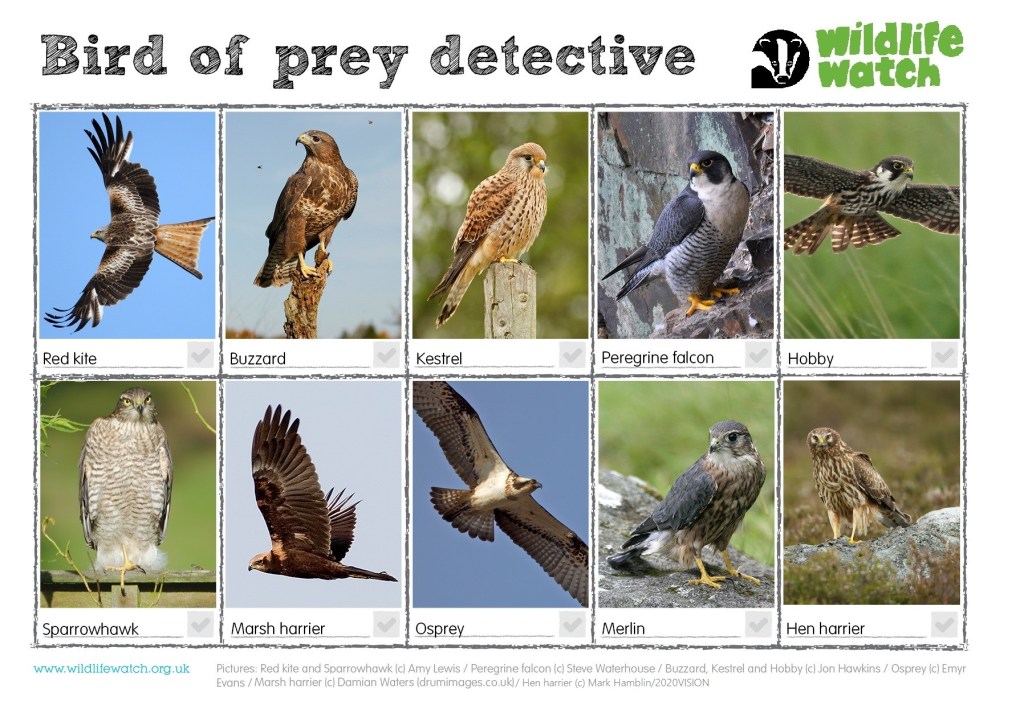
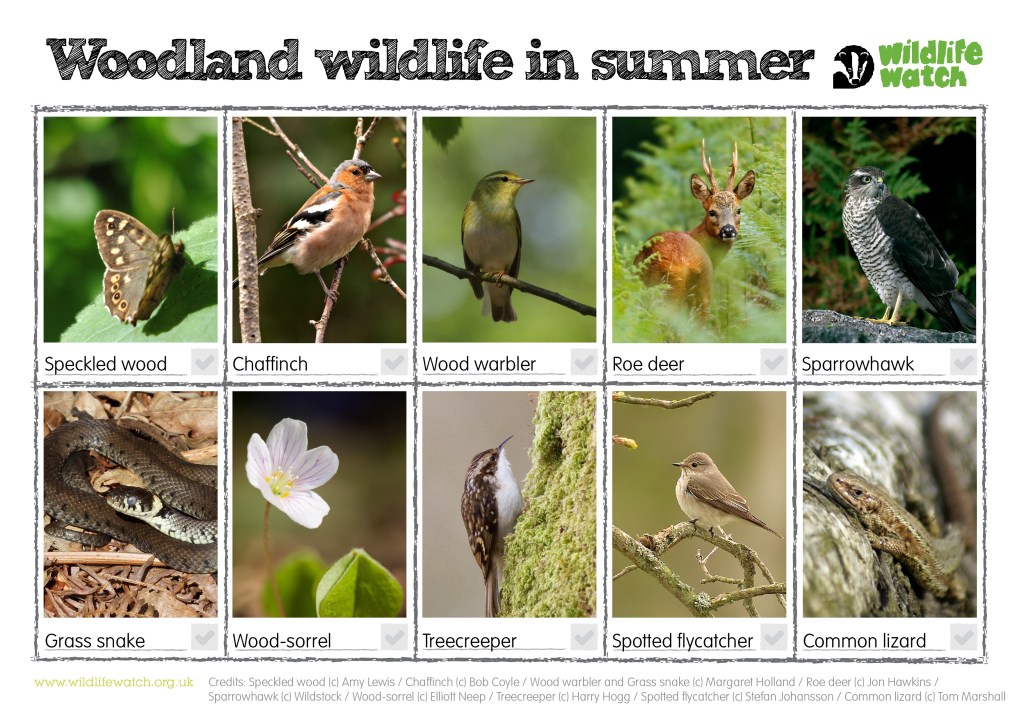
Get spotting!
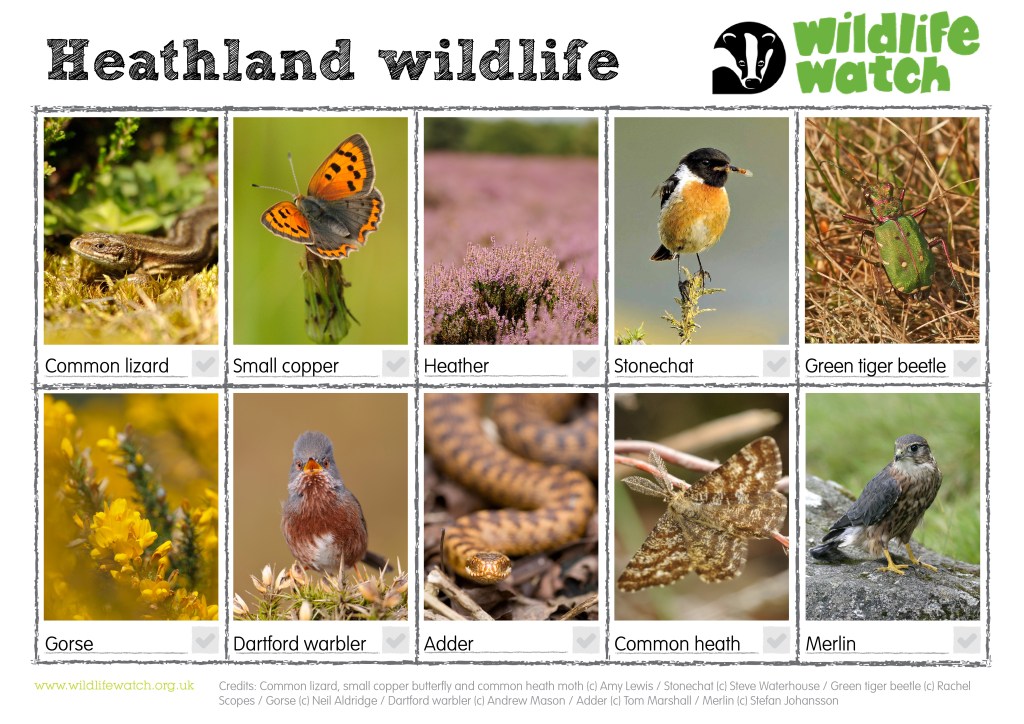
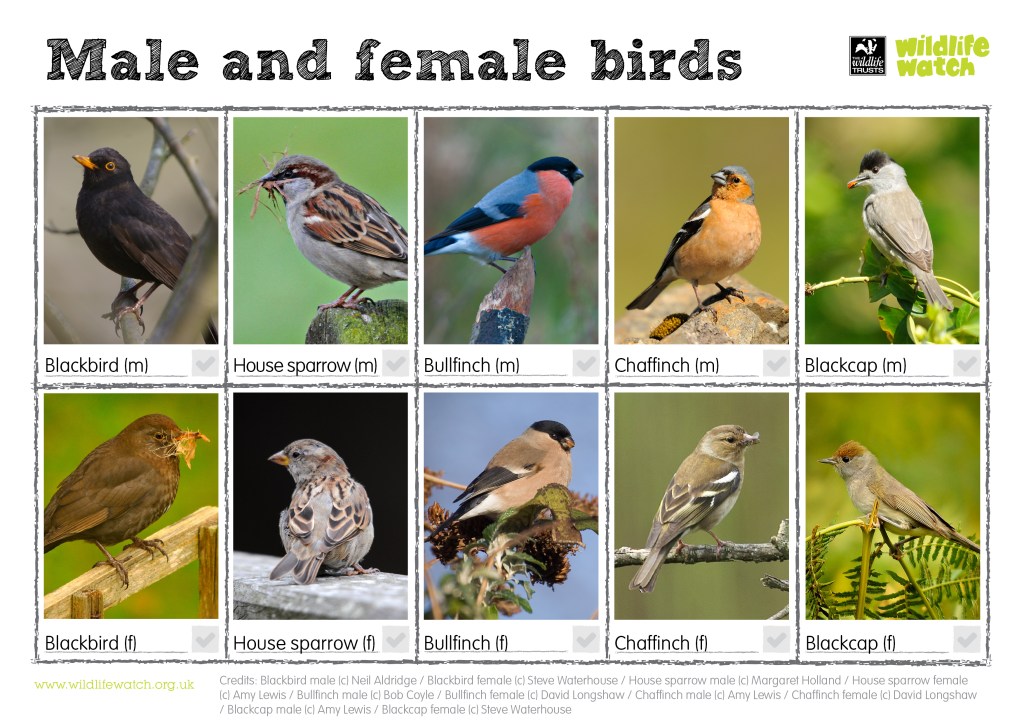
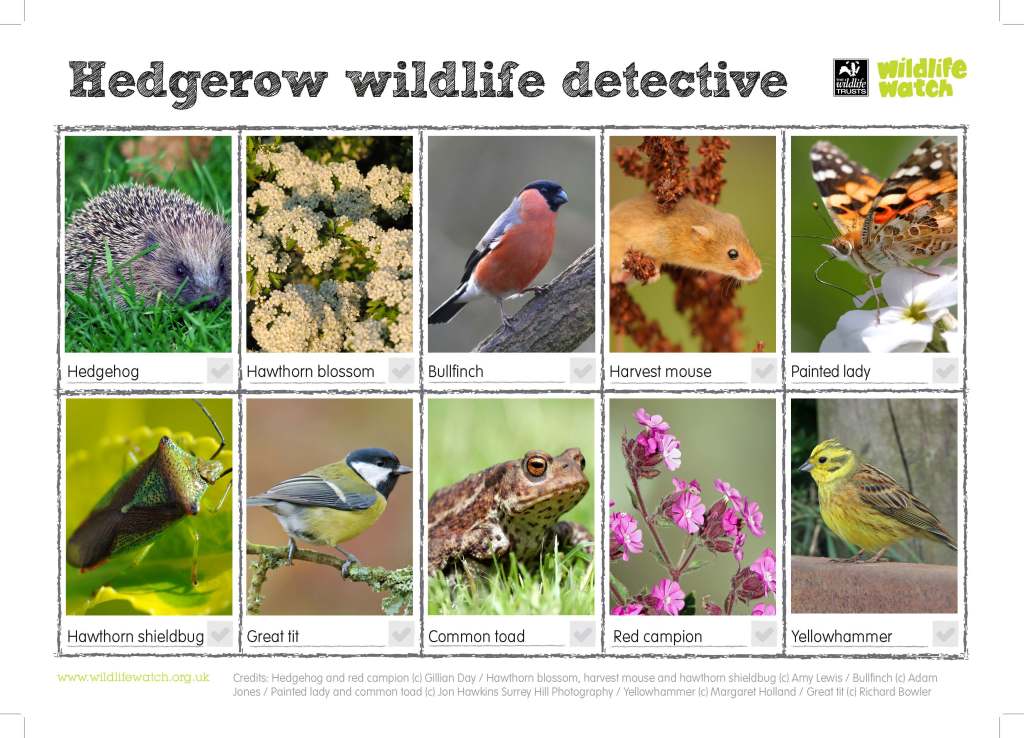
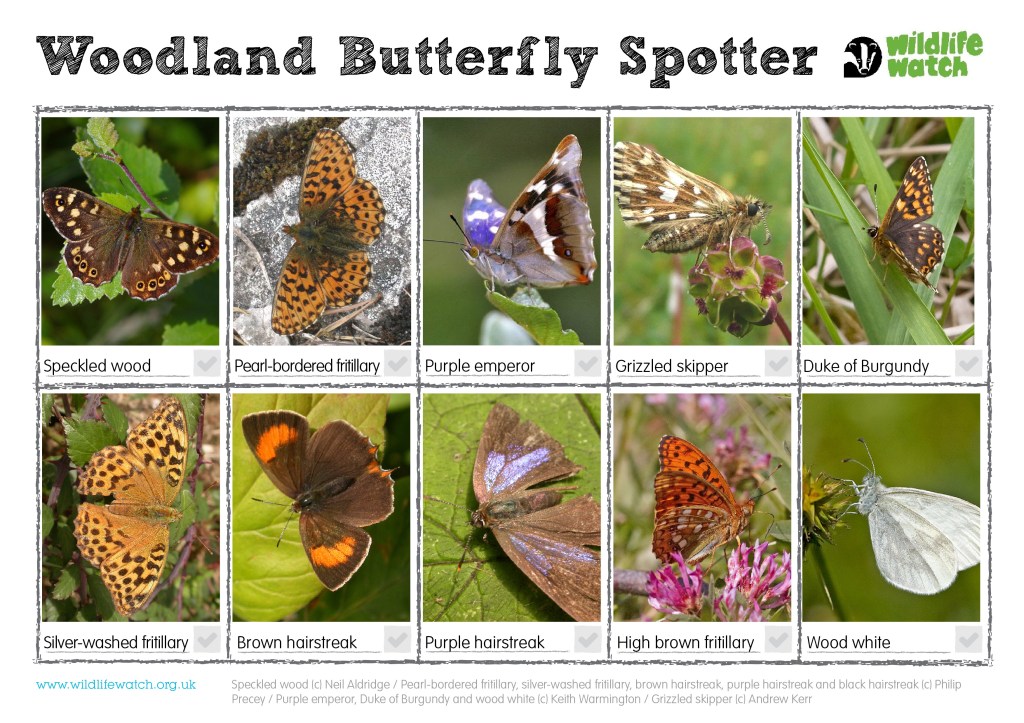
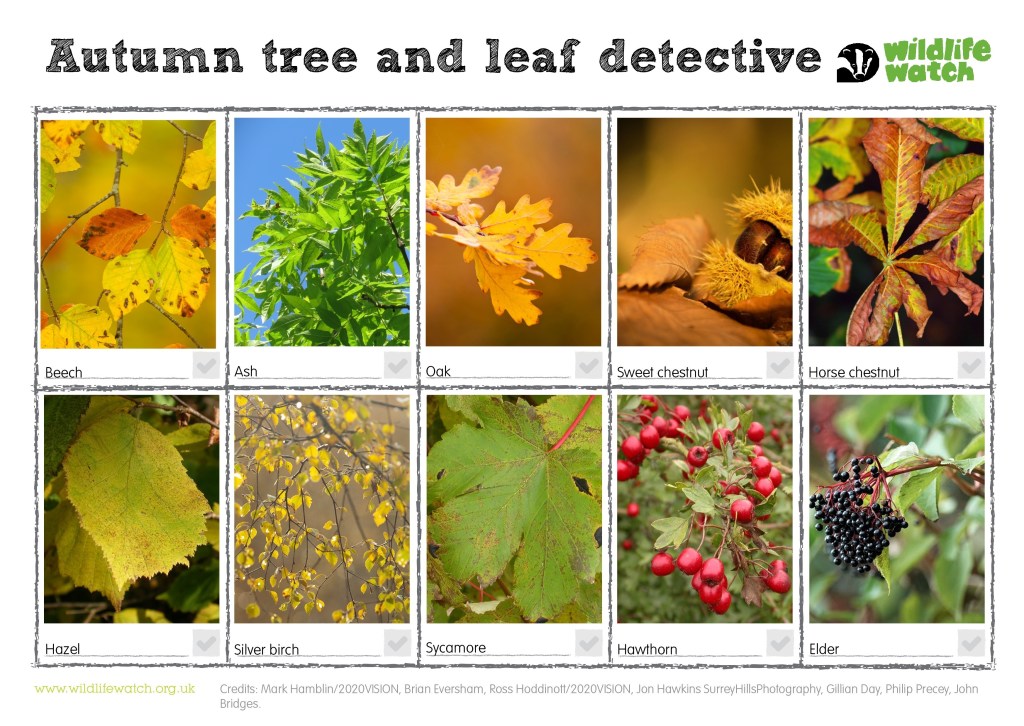
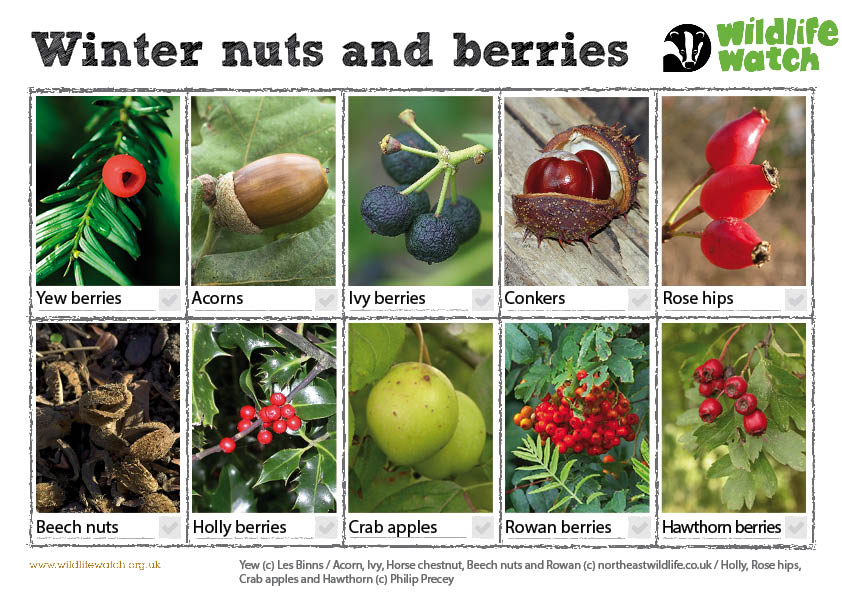
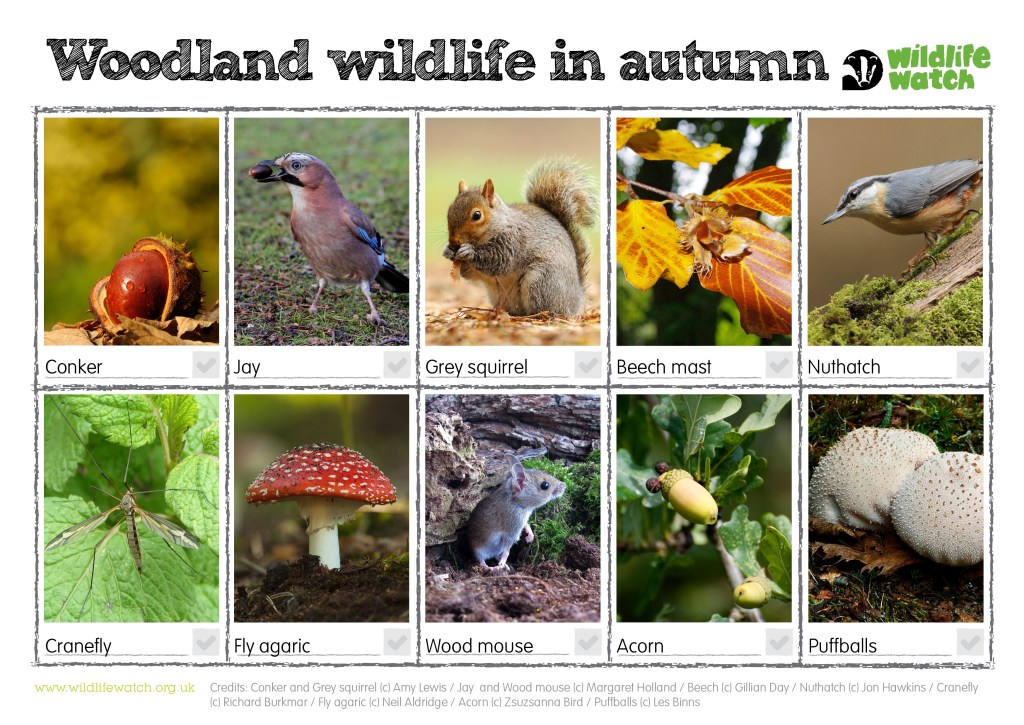
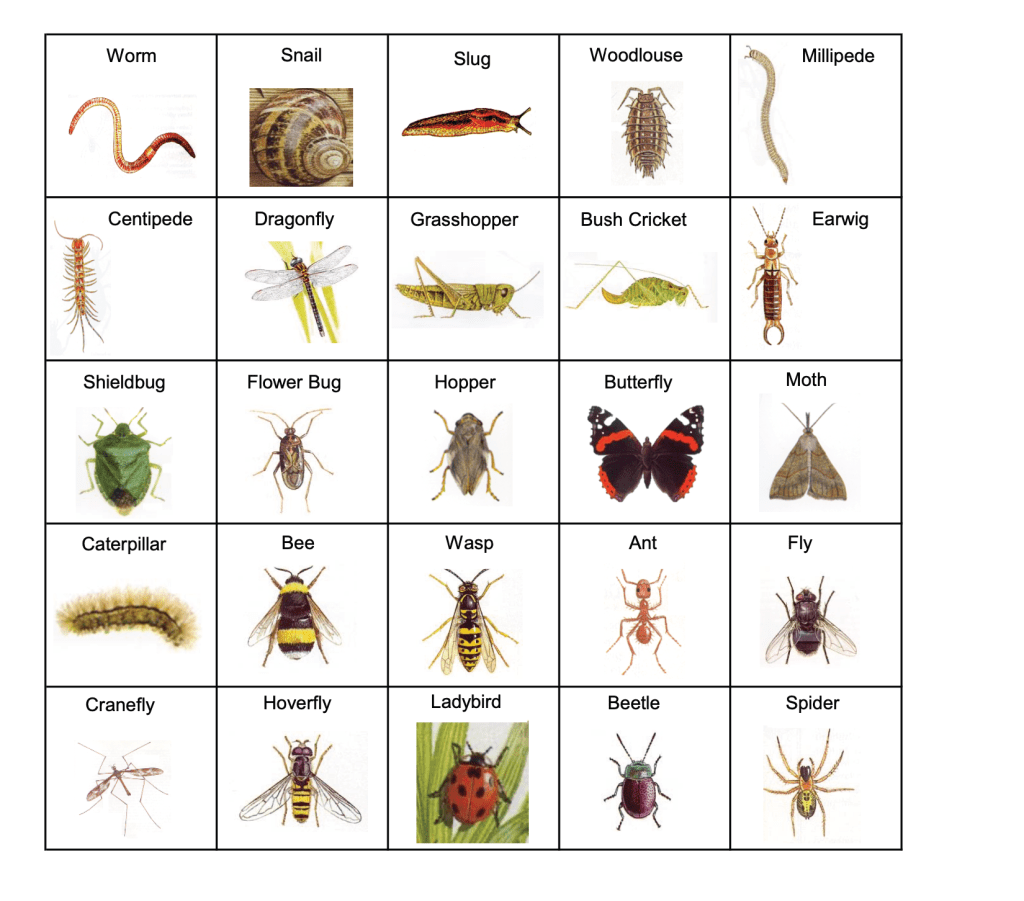
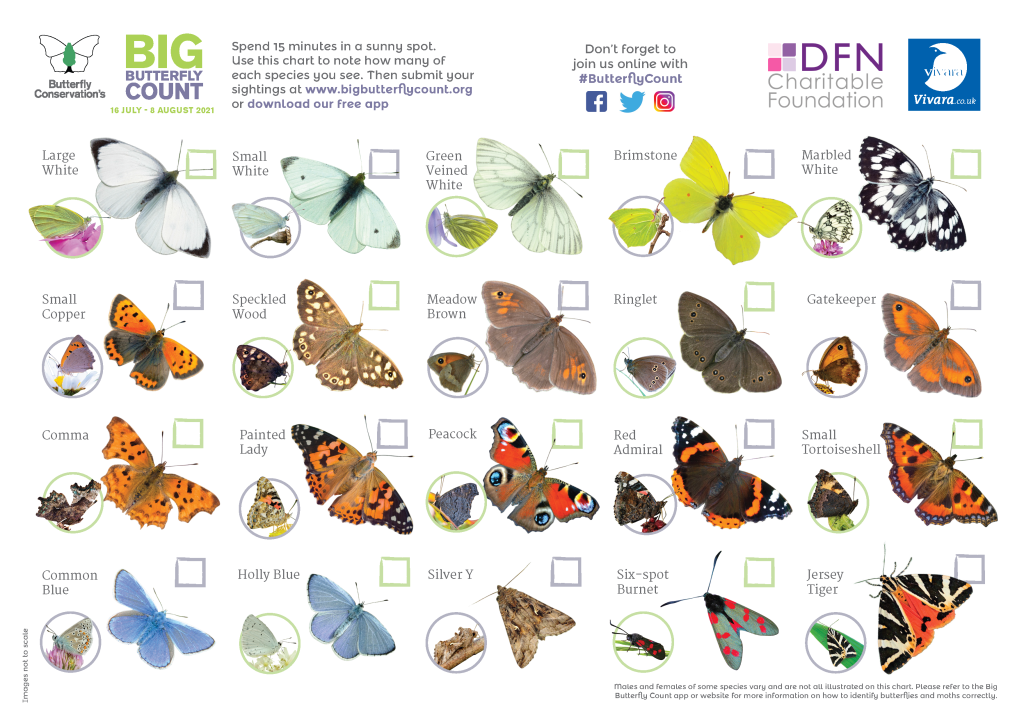
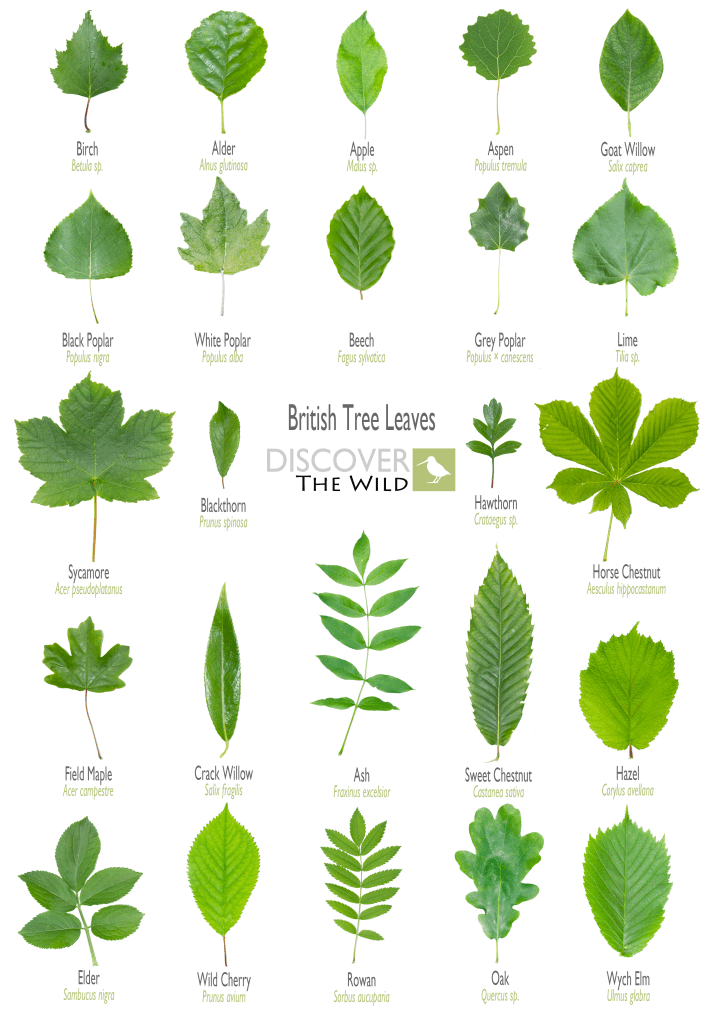
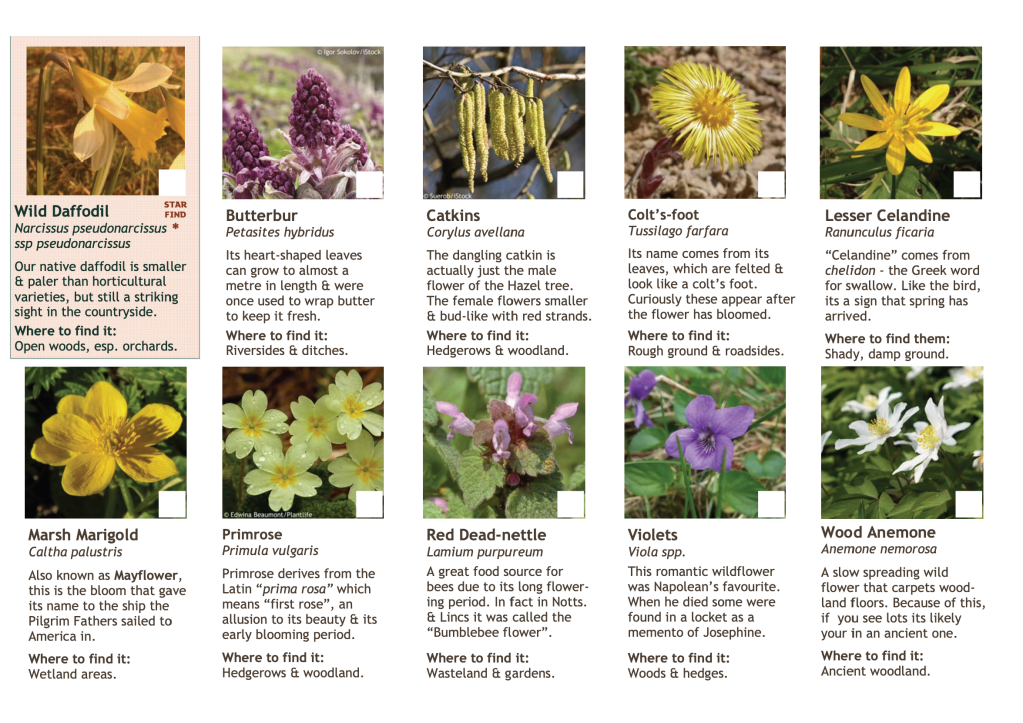
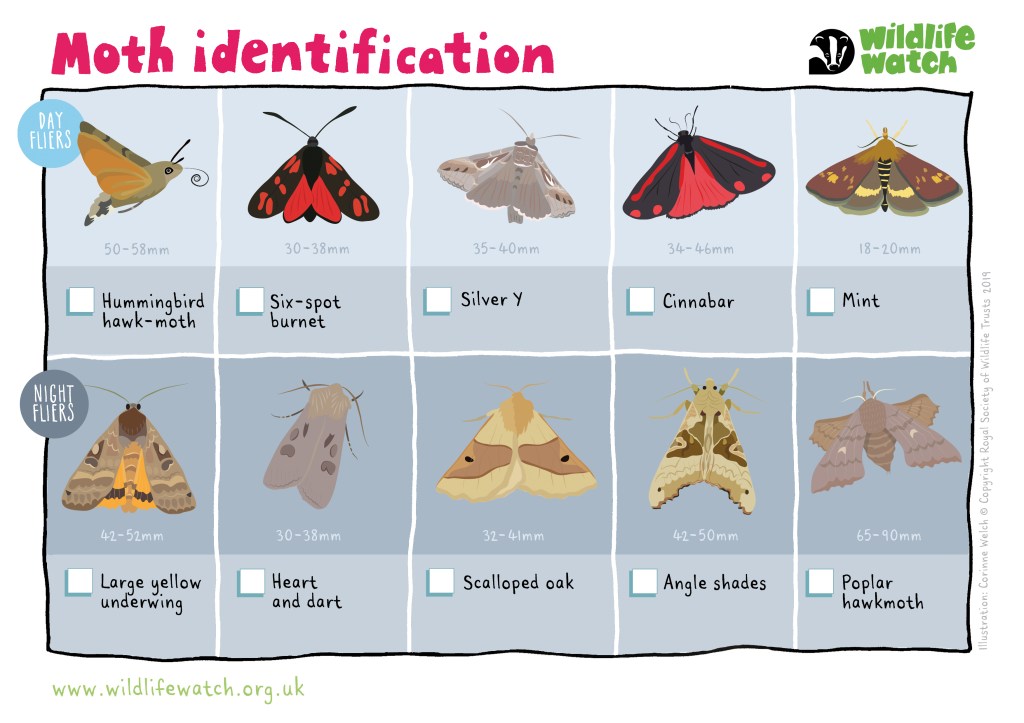
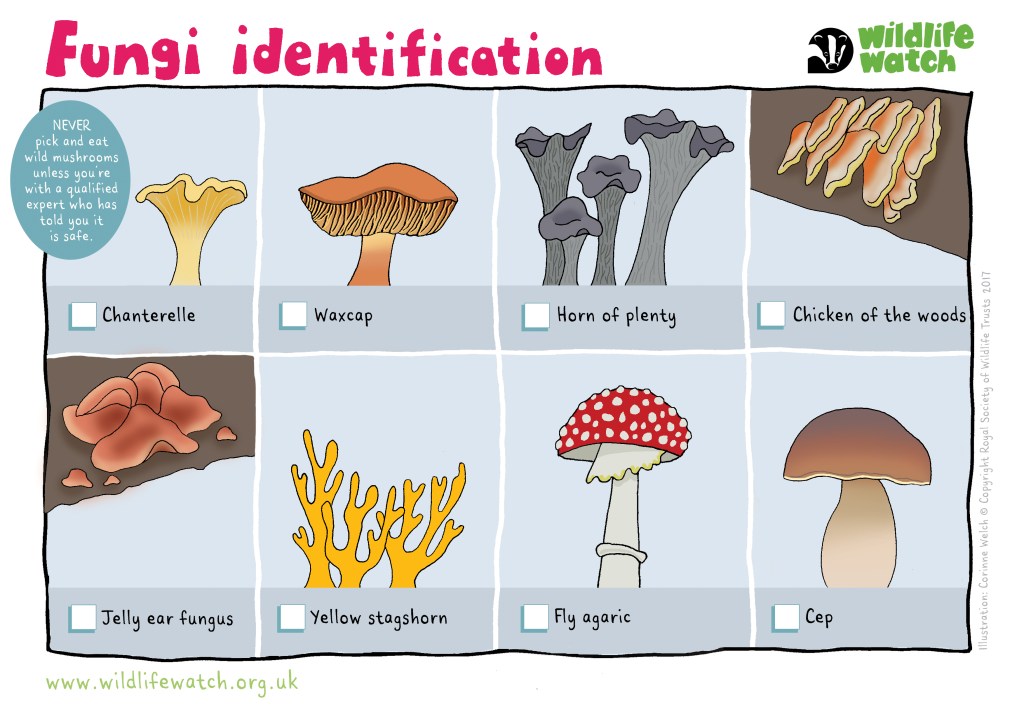
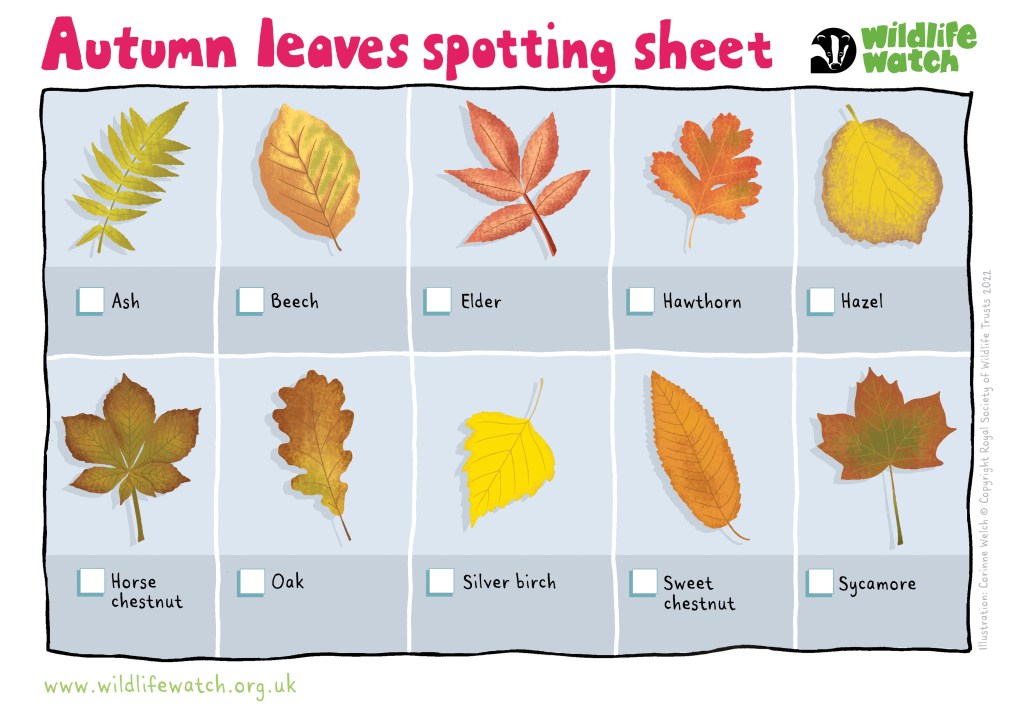
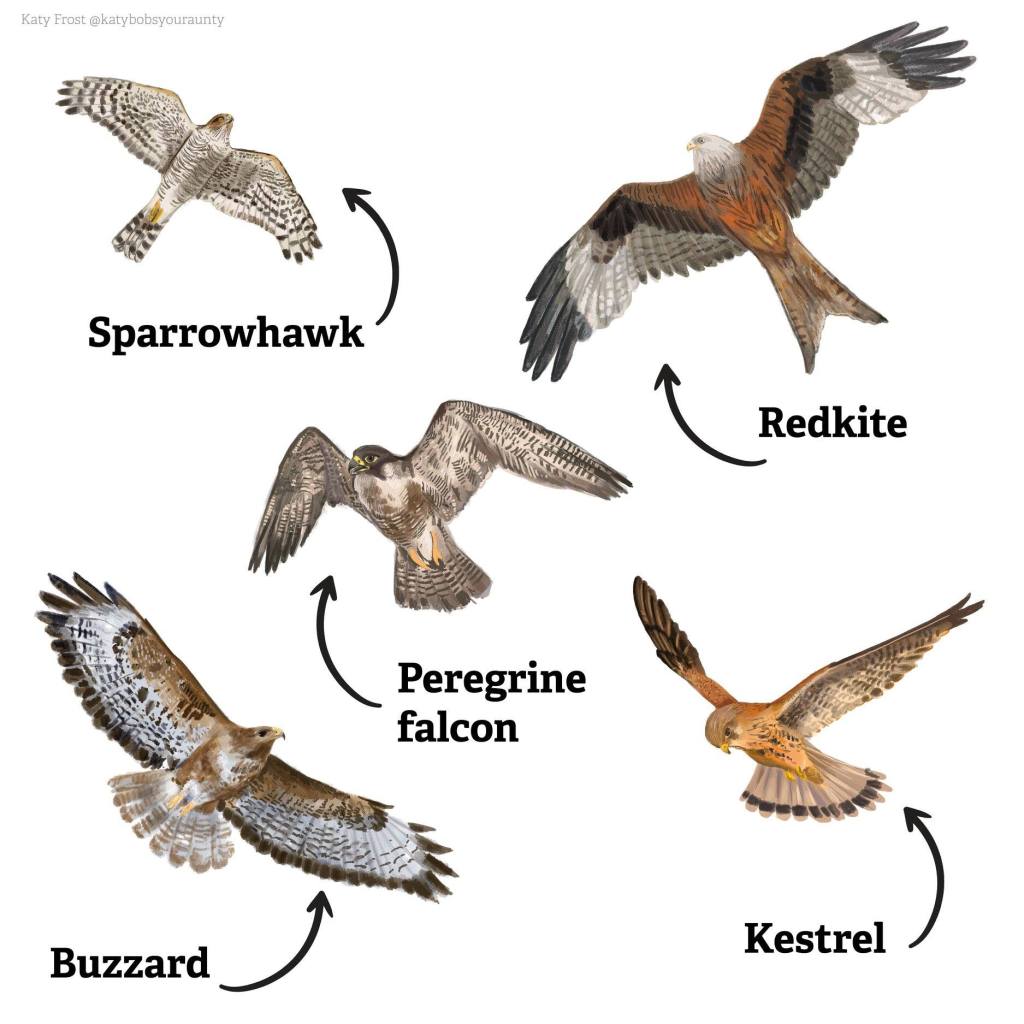
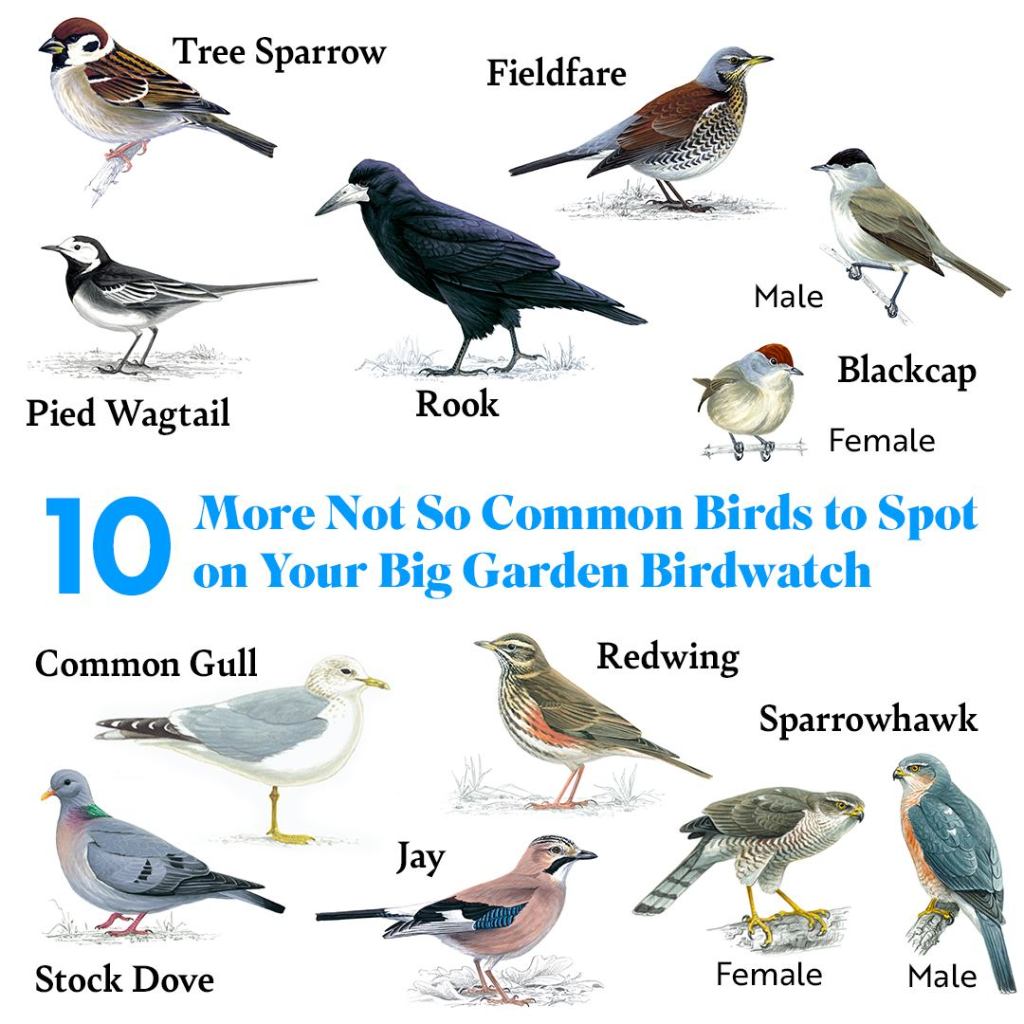
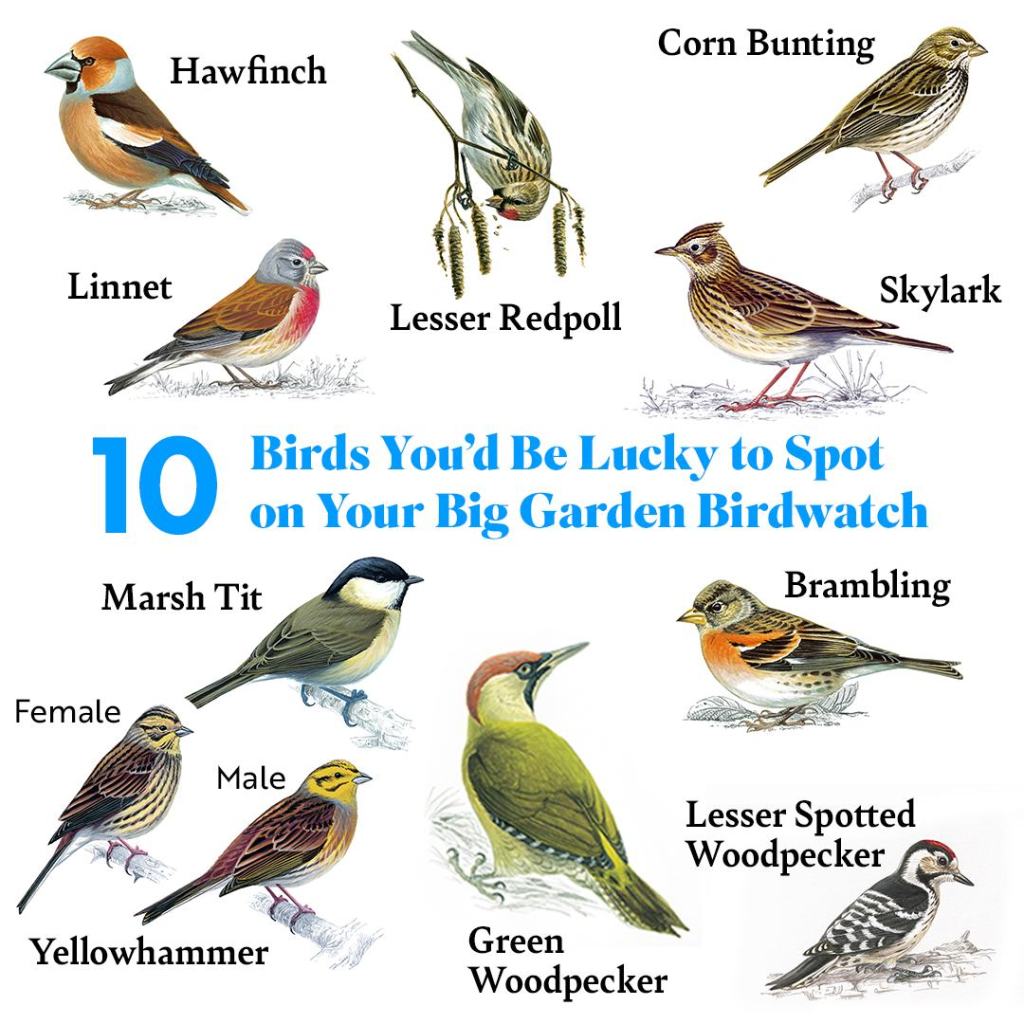
Why not use some of these spotter sheets when you’re next out for a walk and see what plants and wildlife you can spot…

 Friends of Limpsfield Common