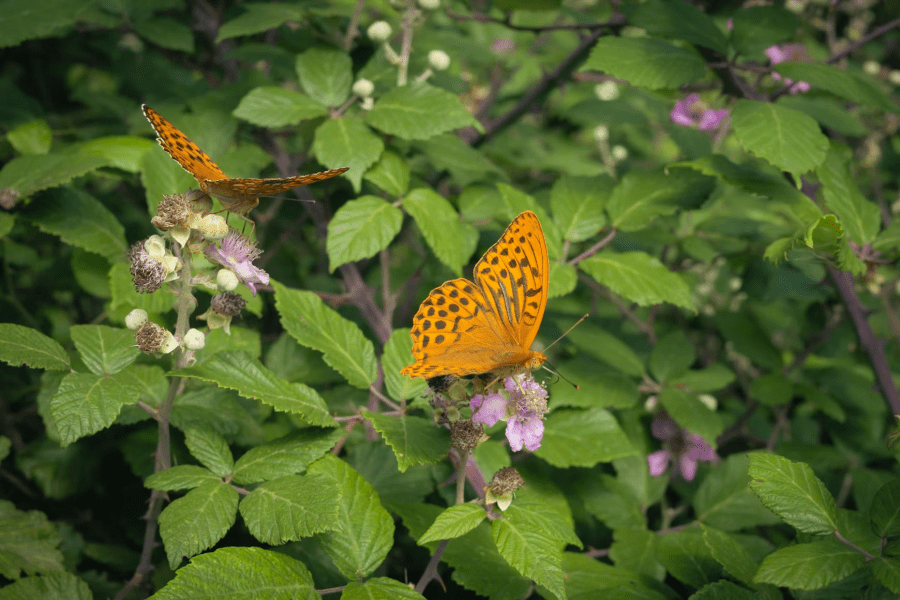
From Friday, 18 July to Sunday, 10 August 2025, Butterfly Conservation’s Big Butterfly Count will once again turn tens of thousands of nature‑lovers into citizen‑scientists. By spending just 15 minutes counting butterflies (and day‑flying moths) on your favourite heath, common, woodland glade – or even in your own garden – you’ll create a vital snapshot of how these insects are faring across the UK.
Why butterflies matter to our heaths, commons and woods
- Pollinators & seed‑setters – Butterflies, along with moths, bees and hoverflies, keep floral communities thriving, from the bell heather of Limpsfield Common to the ancient oaks Ridlands Grove.
- Early‑warning beacons – Because they respond quickly to changes in climate and habitat quality, their trends tell us how the wider countryside is coping.
- Food‑web linchpins – Caterpillars feed birds, bats and small mammals; adult butterflies sustain predatory insects.

How to take part
- Download the free Big Butterfly Count app or ID chart (links on Butterfly Conservation’s website).
- Pick a sunny 15‑minute slot between 18 July and 10 August. Great National Trust spots include:
- Limpsfield Common & Chart Wood, Surrey – mixed woodland edges for Comma and Speckled Wood.
- Record what you see in the app or on the website’s interactive map and submit your count.
Tip for families and schools breaking up for summer: turn the count into a nature treasure hunt – children love finding “flutters” – aka groups of butterflies!
Alarming new nationwide figures show that 31 of our 59 resident species are now in long‑term decline, and 2024 was the fifth‑worst year on record, with nine species – including Small Tortoiseshell, Chalk Hill Blue and Small Copper – suffering their worst summer ever. [butterfly-conservation.orgJNCC]
Make your patch butterfly‑friendly
- Plant nectar‑rich blooms – buddleia, lavender, scabious and verbena will keep adults fuelled through late summer.
- Leave wild corners – patches of nettles, thistles and bramble feed caterpillars of Red Admiral, Peacock and Gatekeeper.
- Think heathland & woodland plants – gorse, heather, wood anemone and honeysuckle thrive on many Trust sites and will do the same in even a small garden.
- Provide safe water – a shallow dish lined with pebbles lets butterflies drink without risk of drowning.

Fluttering facts to share on your walk
- Butterflies taste with their feet.
- Their eyes contain about 6,000 lenses and perceive ultraviolet light.
- Those delicate wings are actually transparent; the colours come from microscopic scales.
- Most UK butterflies live only 2–4 weeks – reason enough to savour every sighting.
Ready, steady… count!
Whether you’re in the garden, picnicking on the common or rambling through the woods, your 15‑minute count will help scientists track the impact of climate change and habitat restoration – and guide the National Trust’s own conservation work.
Download the app, pick a spot, and let us know what you find. The butterflies – and Britain’s wild places – will thank you.
https://bigbutterflycount.butterfly-conservation.org
Discover more from Friends of Limpsfield Common
Subscribe to get the latest posts sent to your email.
 Friends of Limpsfield Common