
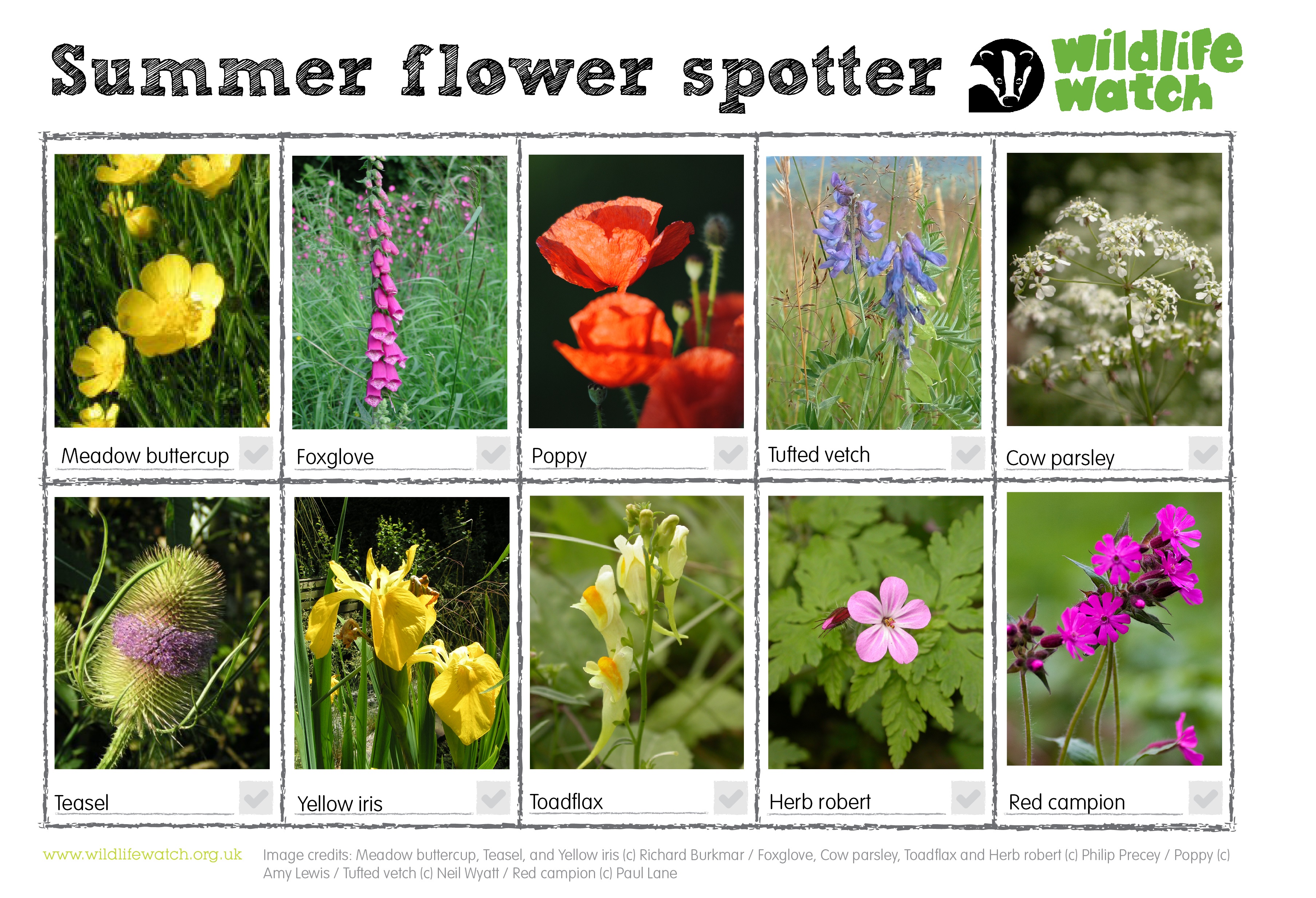
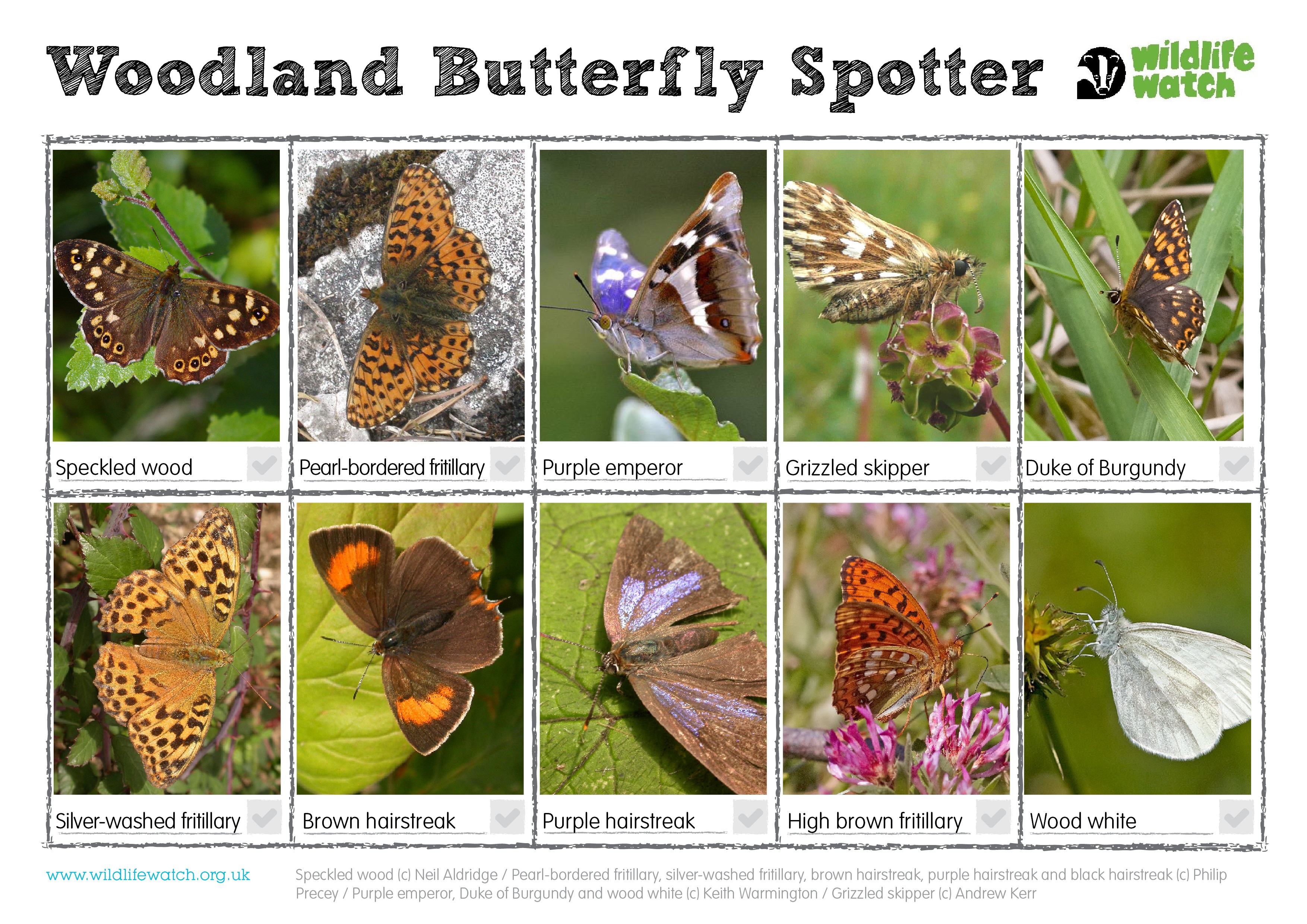
Tucked on the edge of the Surrey Hills National Landscape, our beautiful Limpsfield Common is a charming mix of ancient woodland and open heathland. Managed by the National Trust, it offers a haven for wildlife and a perfect escape for summer walkers and nature lovers alike. When you’re next out on a walk, why not see what species of plants and wildlife you can spot. Find our handy spotter sheets here.
Woodland Walks
Flora:
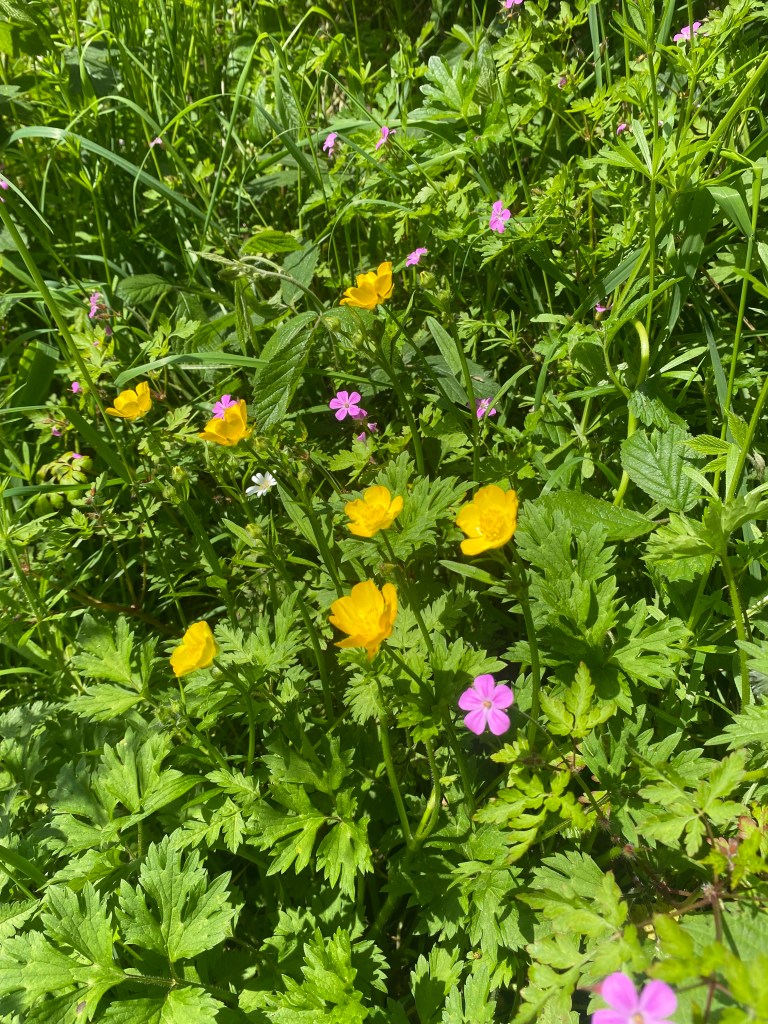
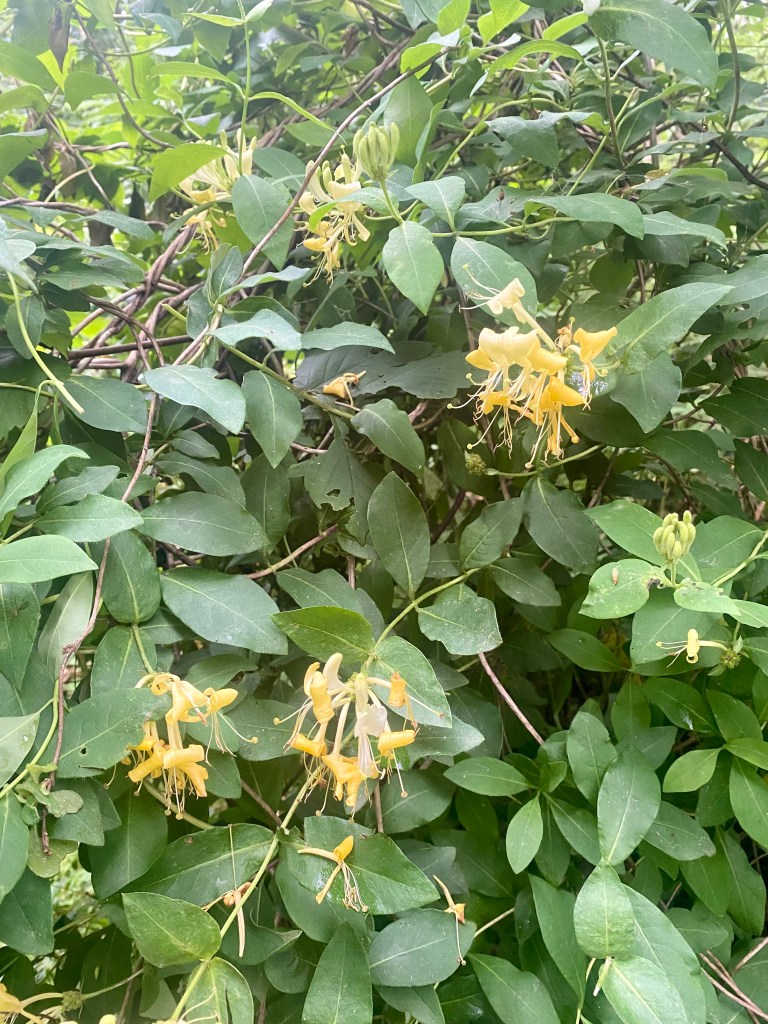
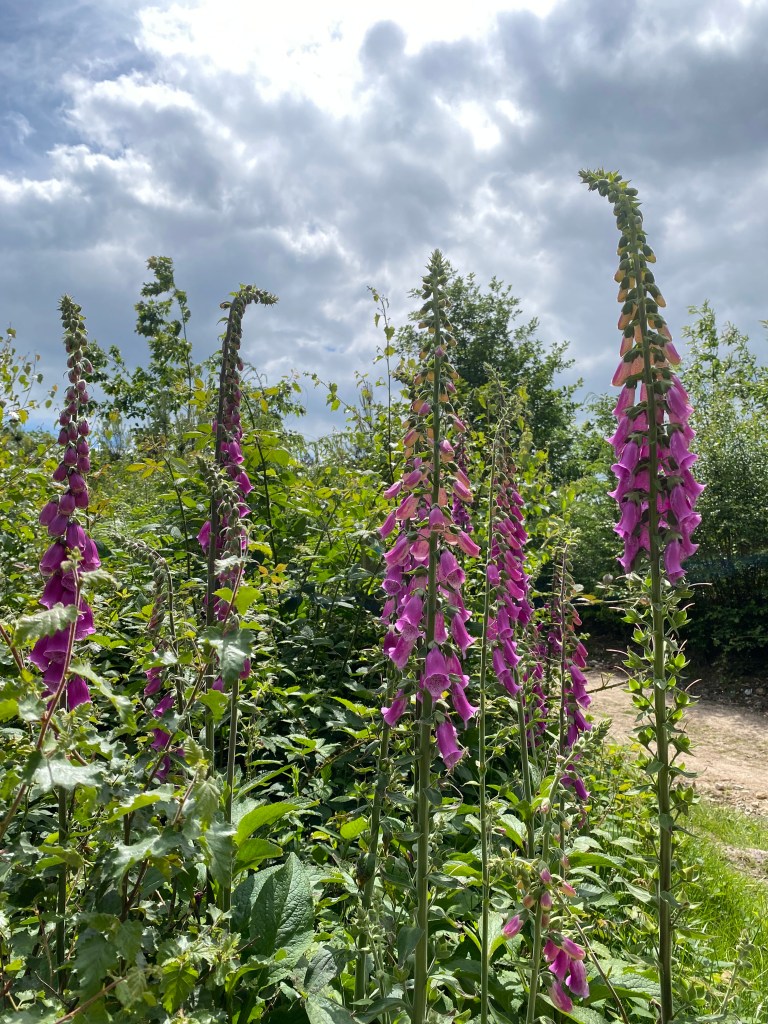
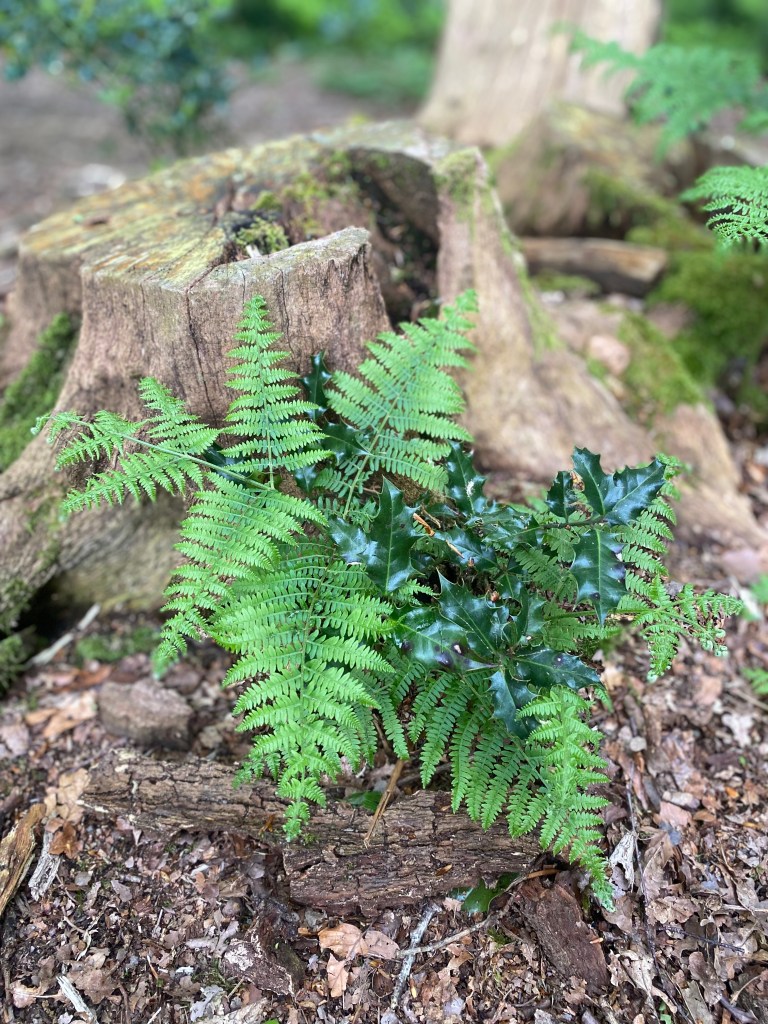
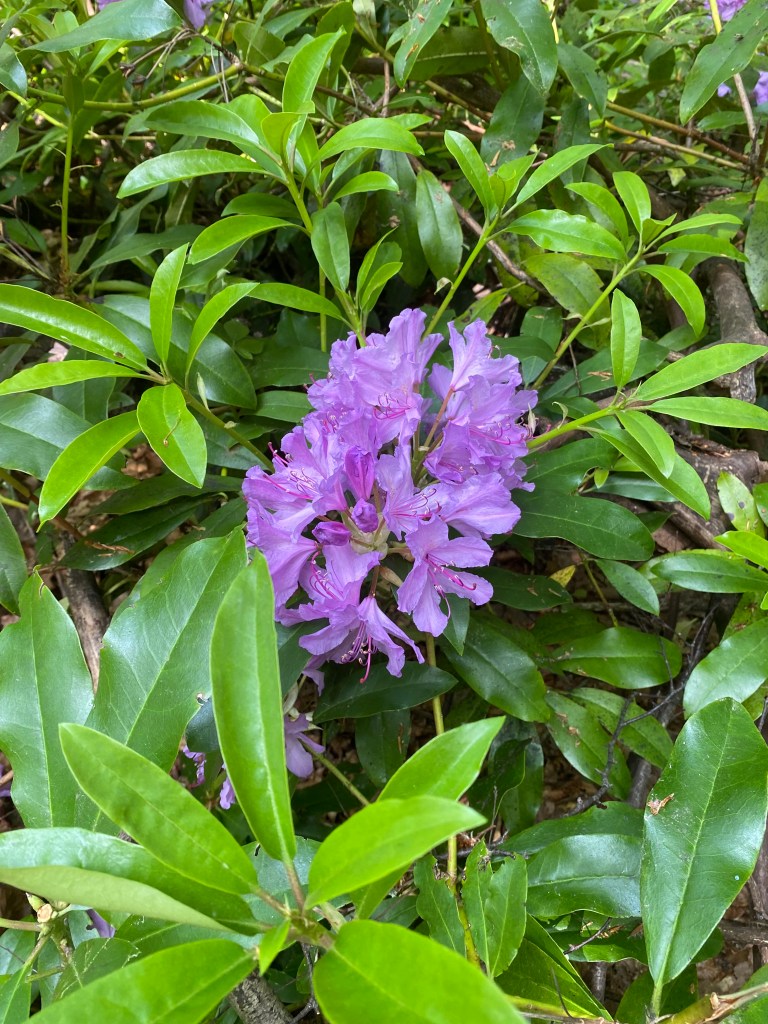
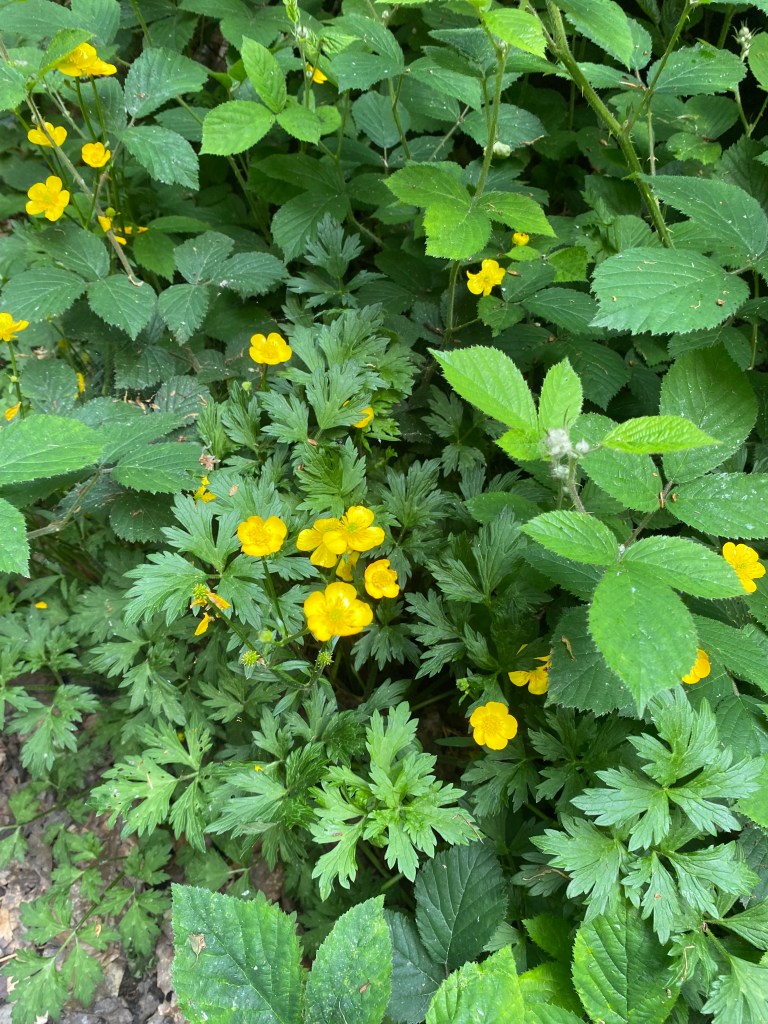
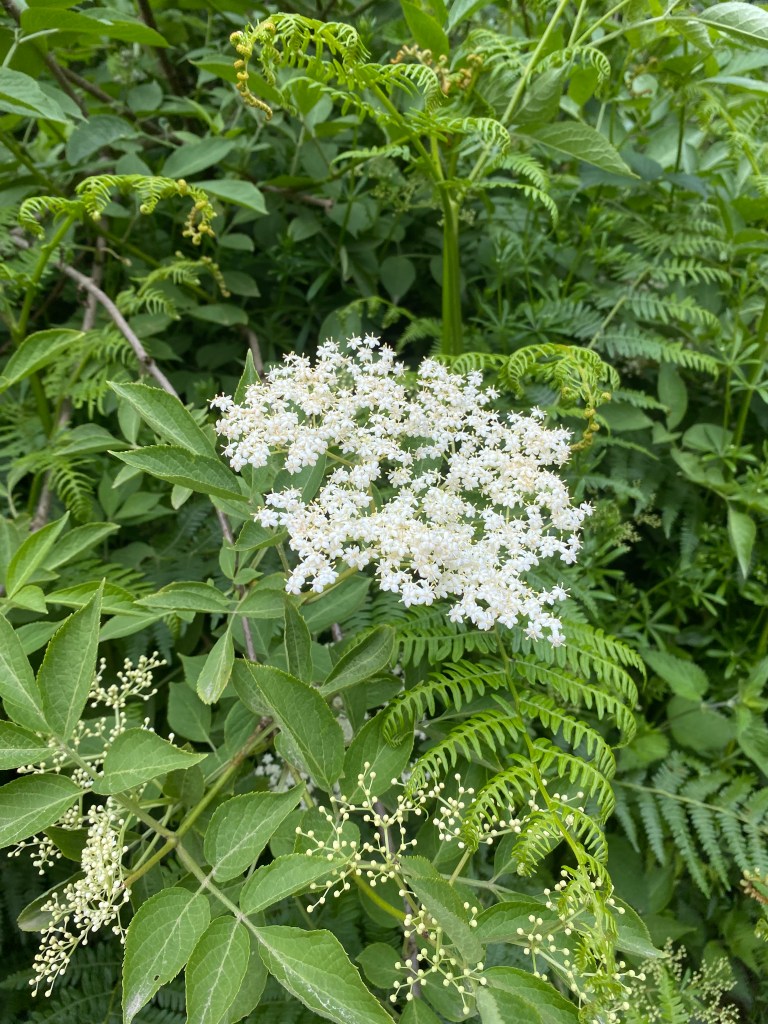
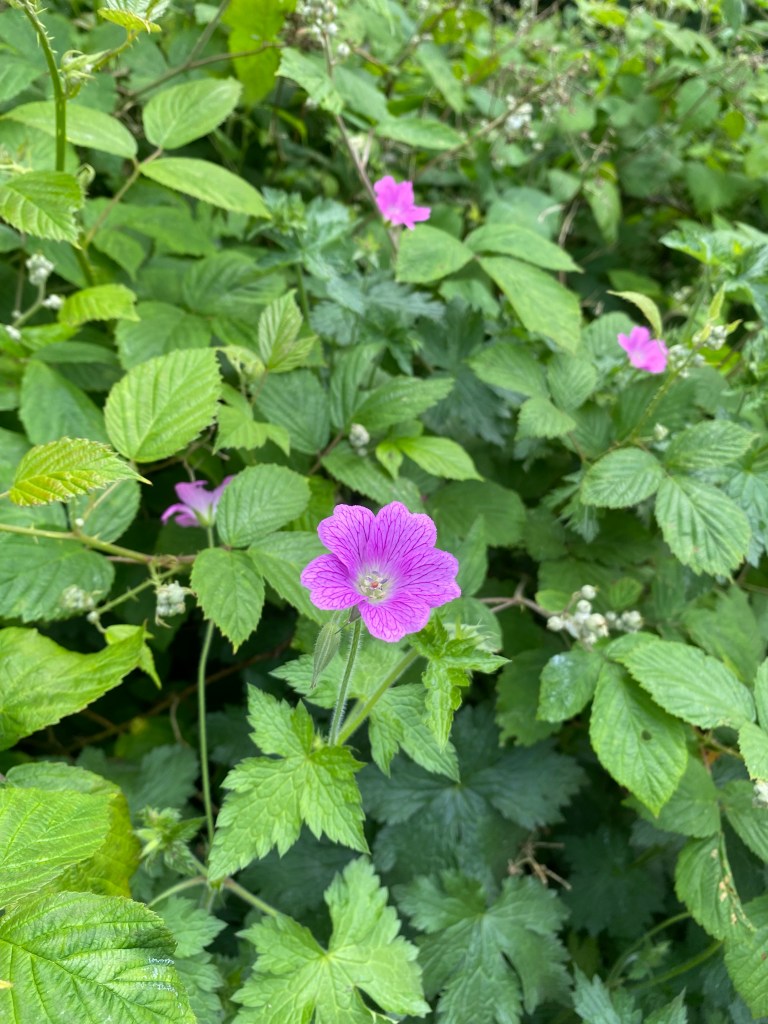
As you stroll beneath towering oak, sweet chestnut, and silver birch, keep an eye out for ground flora like wood sorrel, native geranium, creeping buttercup, vinca, and tall spikes of foxgloves in full bloom. Bracken lines the shady paths, and you’ll often catch the sweet scent of honeysuckle winding through the hedgerows.
Fauna:
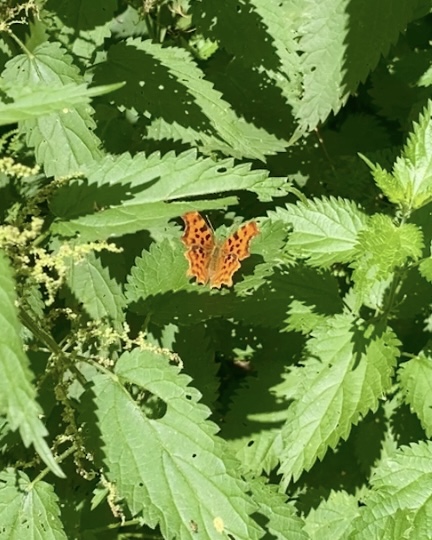
Limpsfield’s woodlands are alive with birdsong. Listen for the rhythmic tapping of the great spotted woodpecker, and look for flitting nuthatches and tree-hopping treecreepers. You can also spot lots of butterflies, including the Comma, Fritillary, the yellow Brimstone, Holly Blue and Red Admirals. Quiet walkers might even get to glimpse a roe deer or muntjac in the shadows. There are quite a few of them hiding away in the woodland at the moment.
As dusk falls, pipistrelle bats begin their nightly patrols through the tree canopy. If you go to Ridlands Grove, we have lots of bat boxes in the area bordering the golf course. Can you spot them high up in the trees?
Heathland Habitats
Flora:
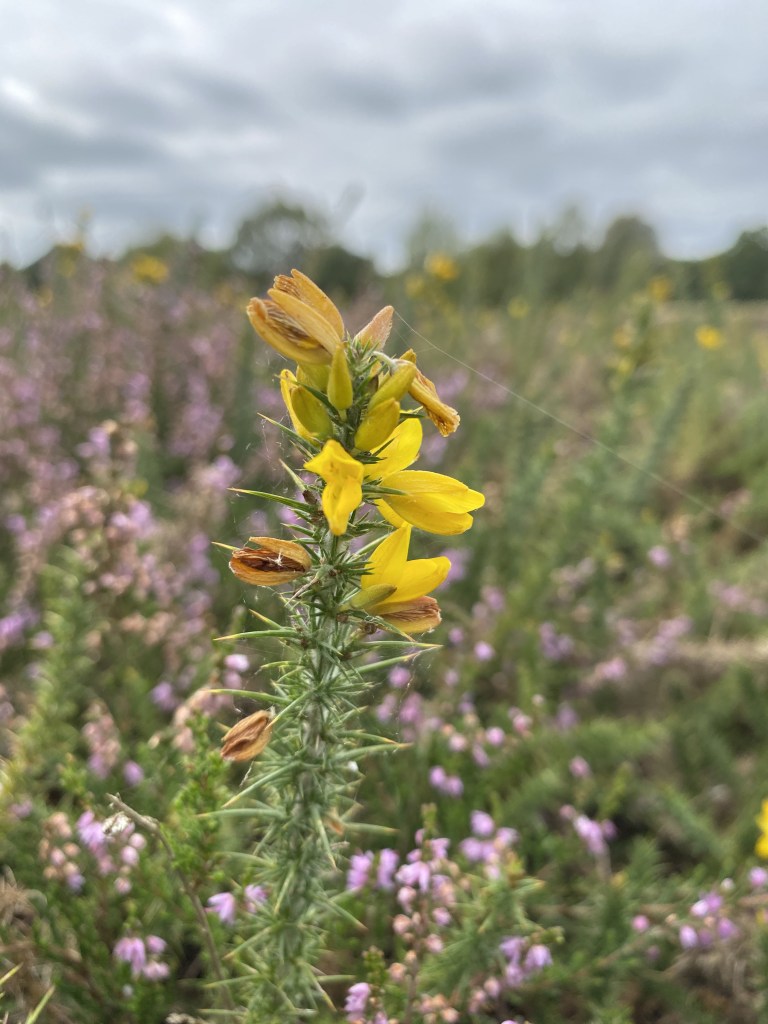
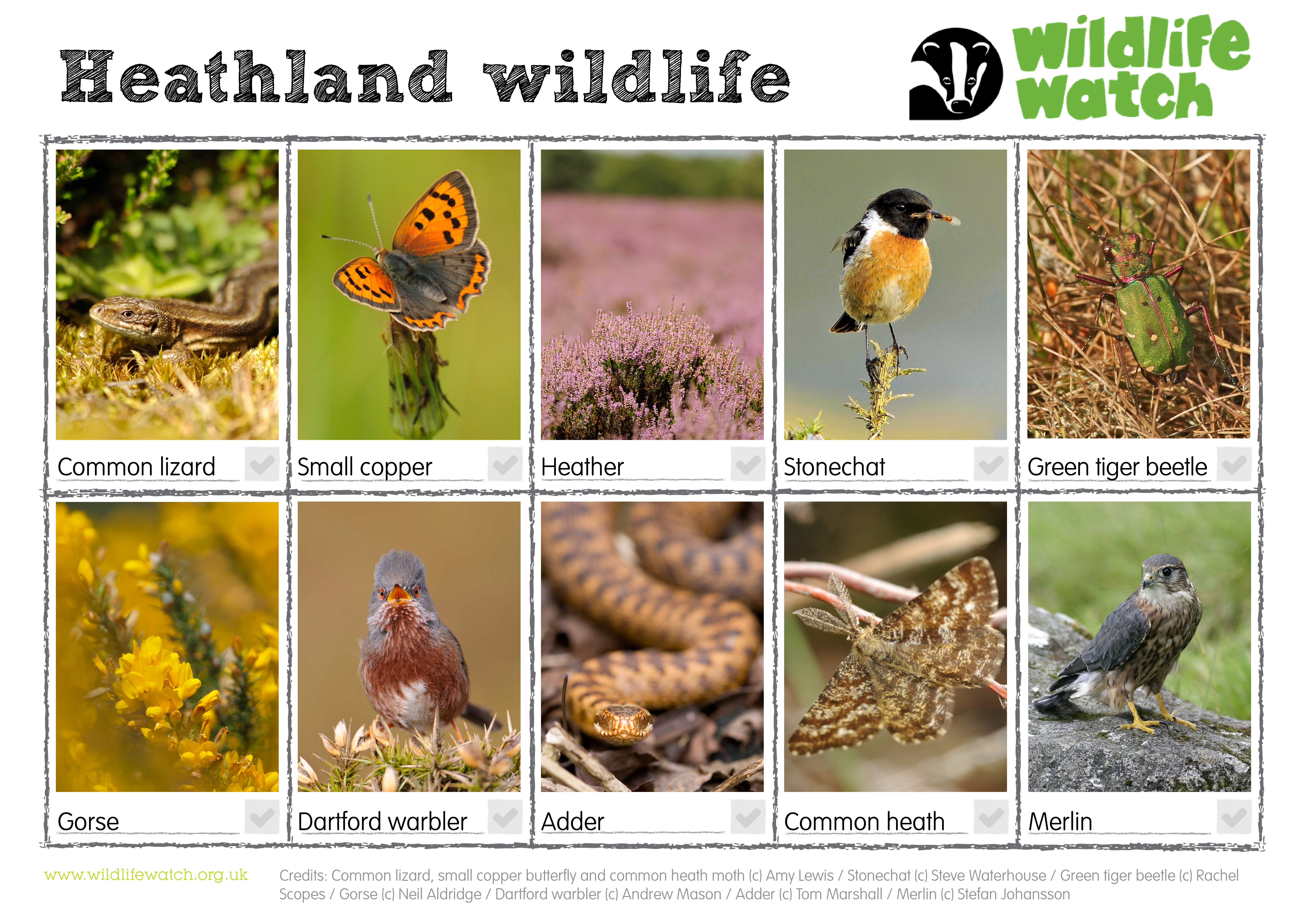
The open heath areas at Limpsfield come into their own in summer. Swathes of heather and gorse create a patchwork of purple and gold, while grasses and wildflowers like tormentil and harebell thrive in the sandy soil.
Fauna:
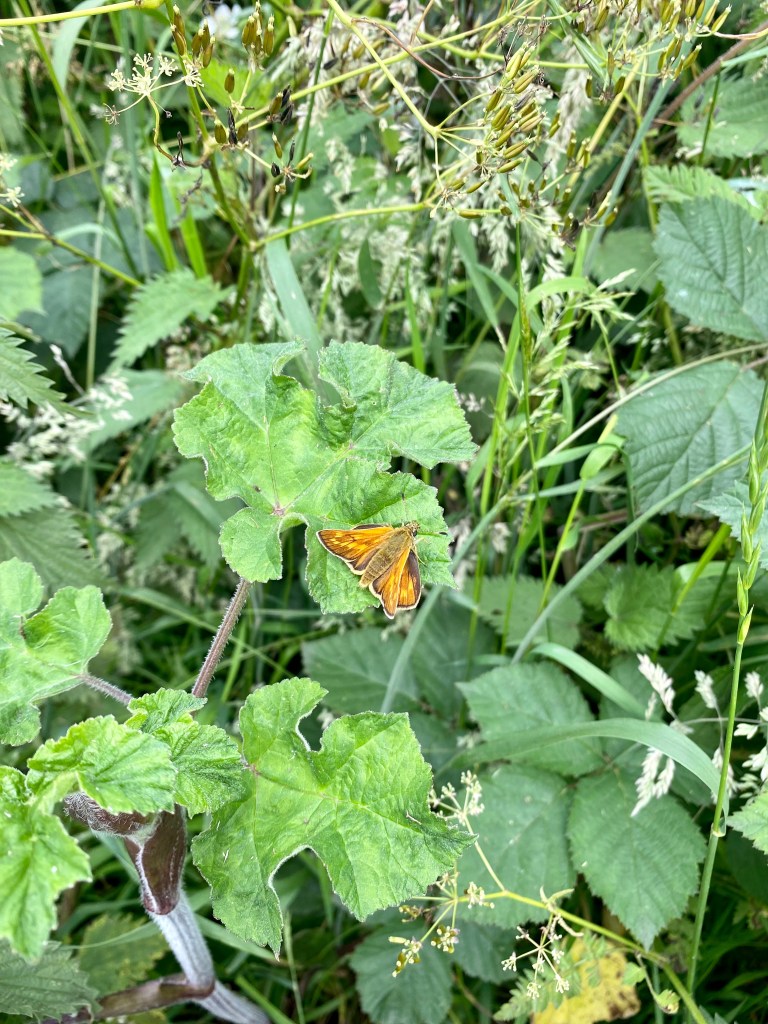
These habitats are ideal for spotting Dartford warblers, which flit between gorse bushes, and if you’re lucky, you might hear the eerie churring of a nightjar at dusk. Adders, the UK’s only venomous snake, occasionally bask on sun-warmed paths—so tread carefully. Butterflies like the silver-studded blue and gatekeeper can often be spotted across the heather on warm days.

Nature Notes for Visitors
- Best times: Early morning or twilight are ideal for seeing wildlife at its most active.
- Bring binoculars to spot birds in the tree canopy or across the open heath.
- Please stick to marked trails to protect ground-nesting birds and fragile habitats.
Limpsfield Common is more than just a walk—it’s a living, breathing landscape rich in biodiversity. Whether you’re birdwatching, photographing wildflowers, or just soaking in the summer atmosphere, it’s a magical place to reconnect with nature.
Why not create your own spotter sheet on the Wildlife Watch website – or download one of the following sheets we’ve created or selected for you!
Discover more from Friends of Limpsfield Common
Subscribe to get the latest posts sent to your email.
 Friends of Limpsfield Common