
People often ask why we are clearing areas of woodland, felling trees and fencing off pathways. We are also often asked about the tree harvesting work on the High Chart, which is not on NT land (ie. Titsey Estate).
In this post, we explain the clearing of woodlands and tree harvesting at Limpsfield Chart, both on National Trust land and the private Titsey Estate-owned land, and highlight the importance of active woodland management for biodiversity, pest control, and climate change mitigation, with a focus on the importance of sustainable practices, public engagement, and heritage preservation for future generations…
Firstly, there are two main areas of woodland at “Limpsfield Chart” or “The High Chart” – that which is owned by the National Trust, ie. Limpsfield Common, and private land owned by the Titsey Estate.
There is also a difference in what we are doing on the National Trust owned area of Limpsfield Chart, and the Titsey Estate owned areas, so we will endeavour to clarify where the NT ends and the Titsey Estate begins and what each of us are doing for the future of the area.

The boundary between National Trust and Titsey Estate
As the two main landowners of woodland in the area, the land owned by each of these entities flows seamlessly from one to the other and it’s hard to know where the boundaries are.
The Titsey Estate and its tenanted farms own much of the farmland around Limpsfield Common/Limpsfield Chart, with other farmland owned by Moorhouse Farm. The National Trust owns the majority of the heathland, ancient woodland and areas surrounding the Chart village, Grub Street/Pebble Hill and golf course, including Happy Valley and West Heath.
At Limpsfield Chart, the boundary between the NT Commons area and the Titsey Estate is not fenced, so it’s sometimes difficult to distinguish, but there are a few markers. Essentially if you walk from High Chart Car park into the woods, The National Trust / Commons area ends the other side of Yalden Spring (the pond) and follows the boundary along the old deer park ridge. The main bridleway and sandy tracks and pine forest areas on High Chart are all owned by the Titsey Estate and are mainly managed conifer plantations.
The heathland areas to the north and south of Kent Hatch Road immediately bordering the National Trust car parks, as well as the Chart green itself and cricket club /recreational area to and alongside Ridlands Lane are also all National Trust. All areas of woodland after the area by Moorhouse car park on Moorhouse Road are Titsey Estate and local farmland.
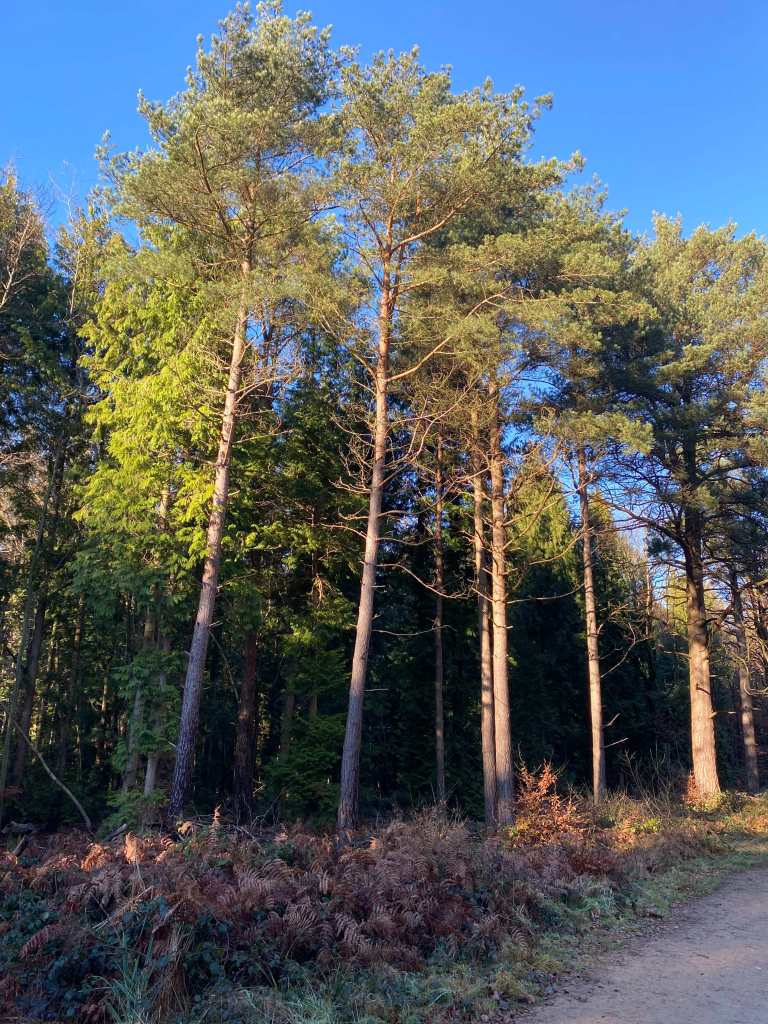
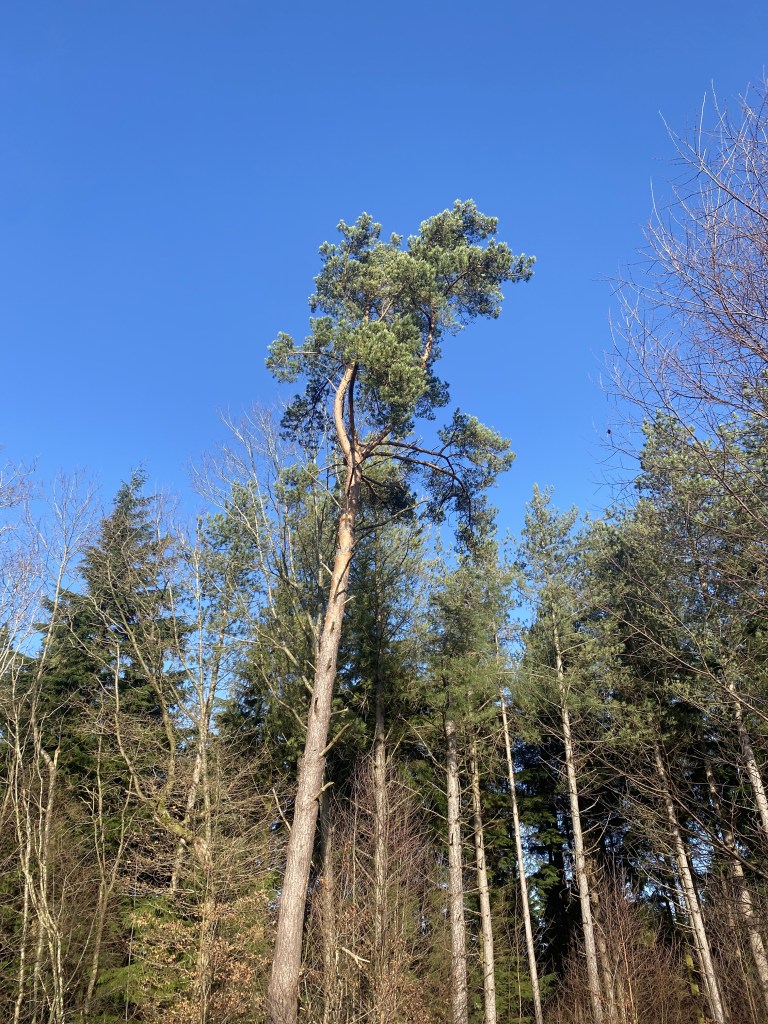
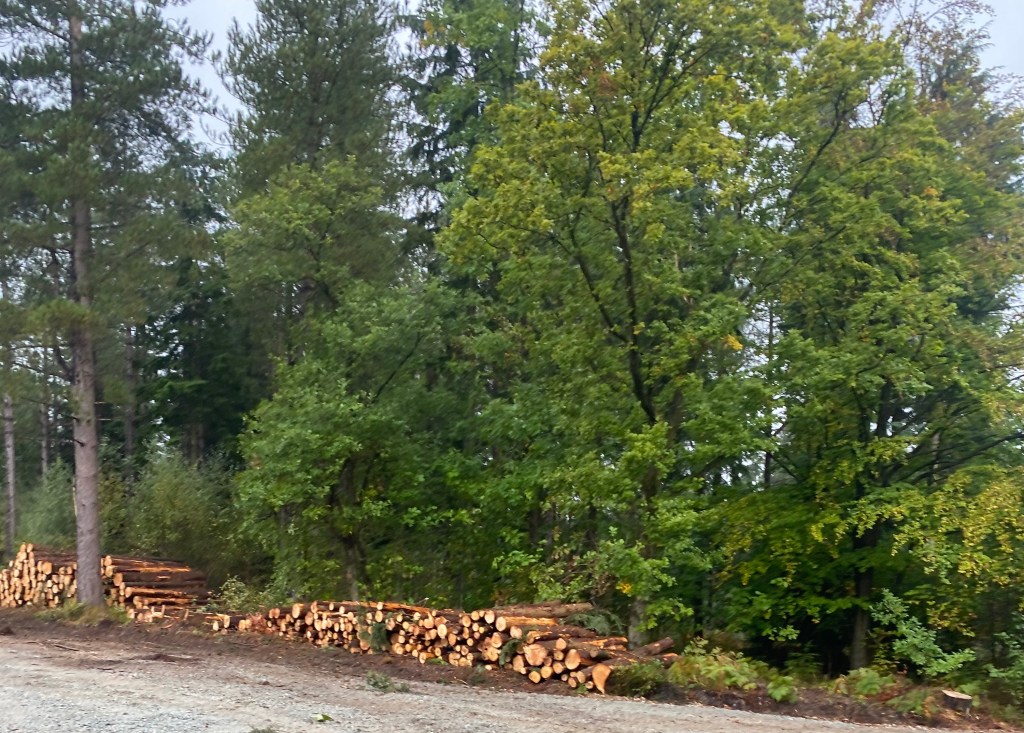
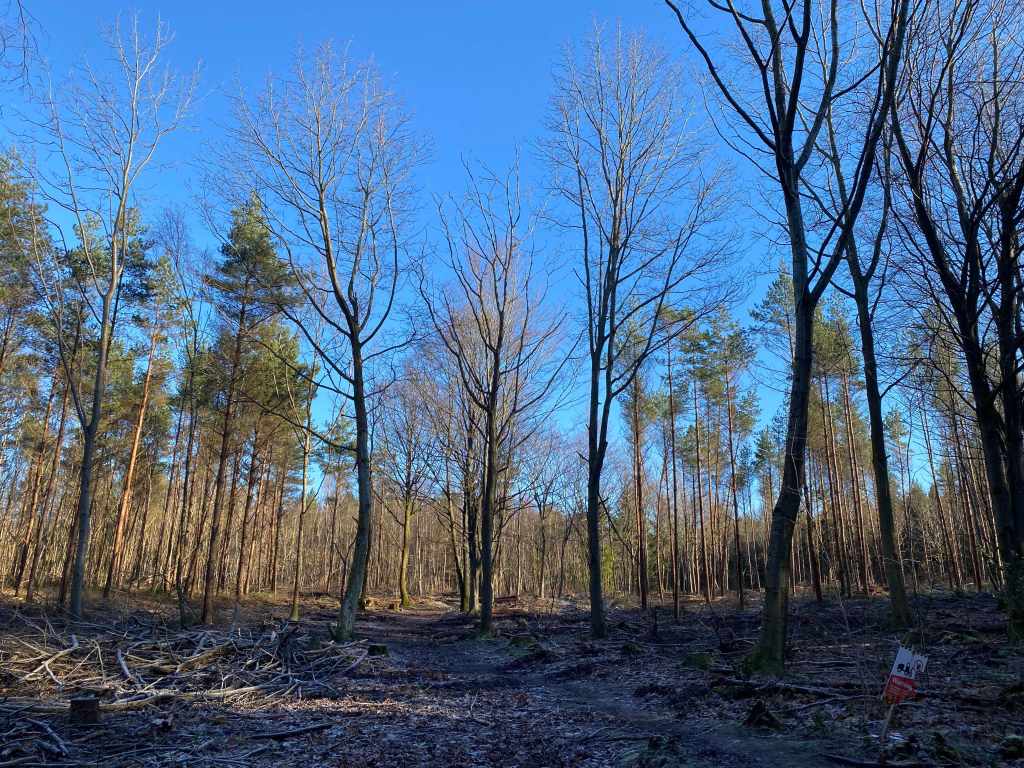
Limpsfield Chart – Plantation Management – Titsey Estate
The area on Limpsfield Chart where the harvesting work is happening at the moment (winter 2024/5) is owned by the Titsey Estate. It is not National Trust land.
This activity is both commercial and also general woodland management, principally to thin the western hemlock plantations (planted by the Forestry Commission), which will give the remaining trees room to grow and let light get down to the forest floor to allow natural regeneration.
This is always done over the winter months, before nesting season, and while it looks very messy for a while, it is good forestry practice for many reasons. The contractors are required to return the paths to their former state wherever possible, however if the weather is very wet, heavy machinery will make the paths worse rather than better, but as in previous years, things usually return to normal in the spring/summer.
Debris on the ground is also not necessarily a bad thing, as it creates additional habitats for flora and fauna and safe nesting areas. As ever, please be mindful of the works going on, abide by instructions, and stick to the designated footpaths and bridleways. If felling is going on near the paths, make sure the tree surgeons are aware of you and have waved you on before you pass.
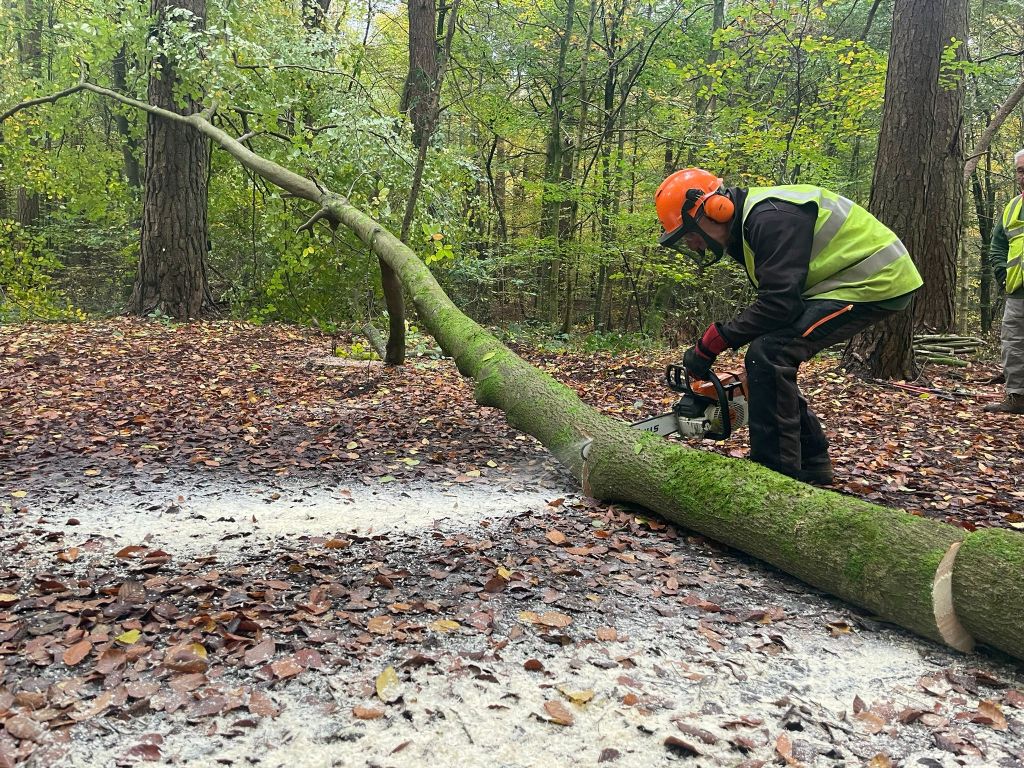
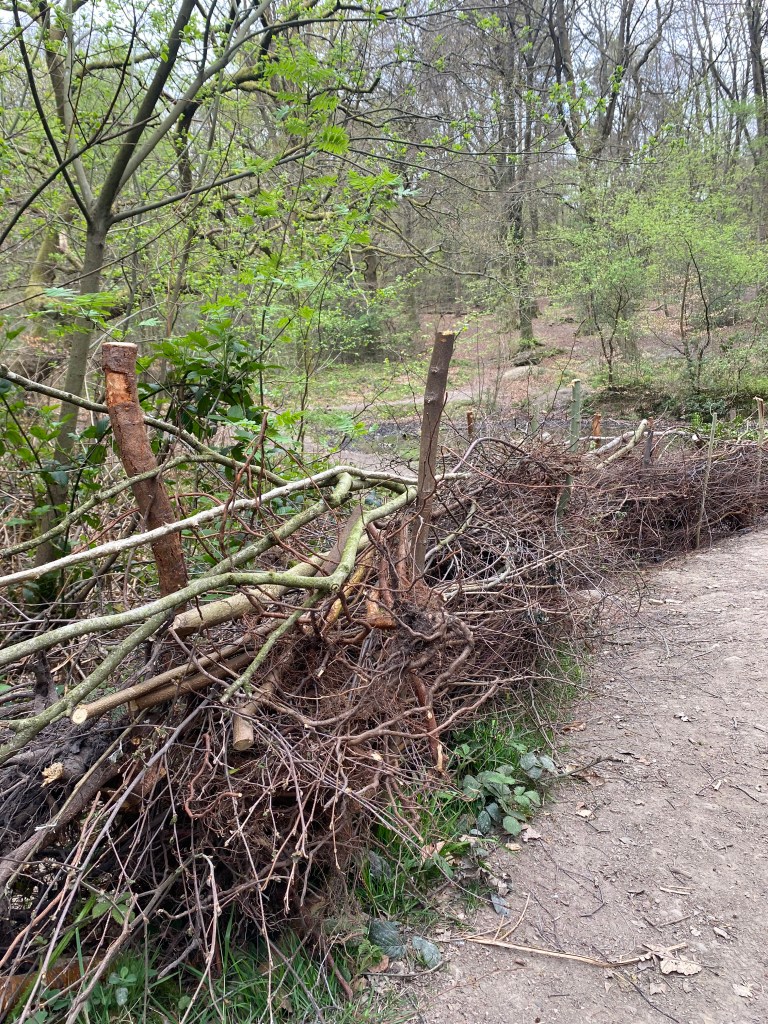
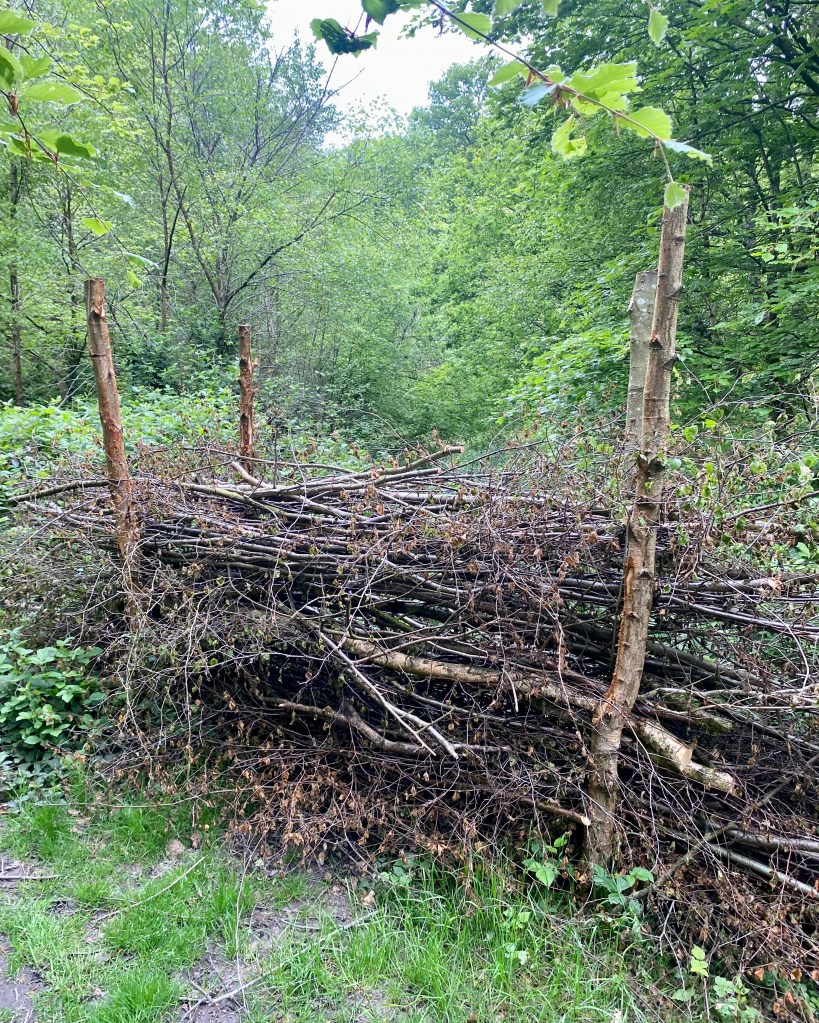
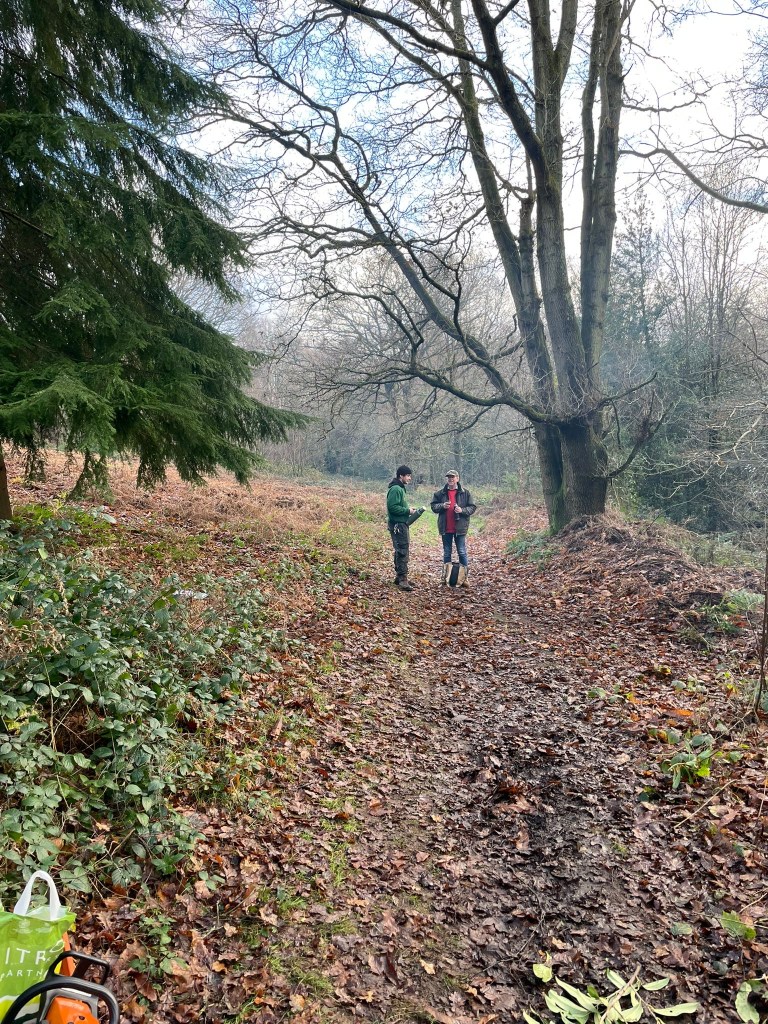
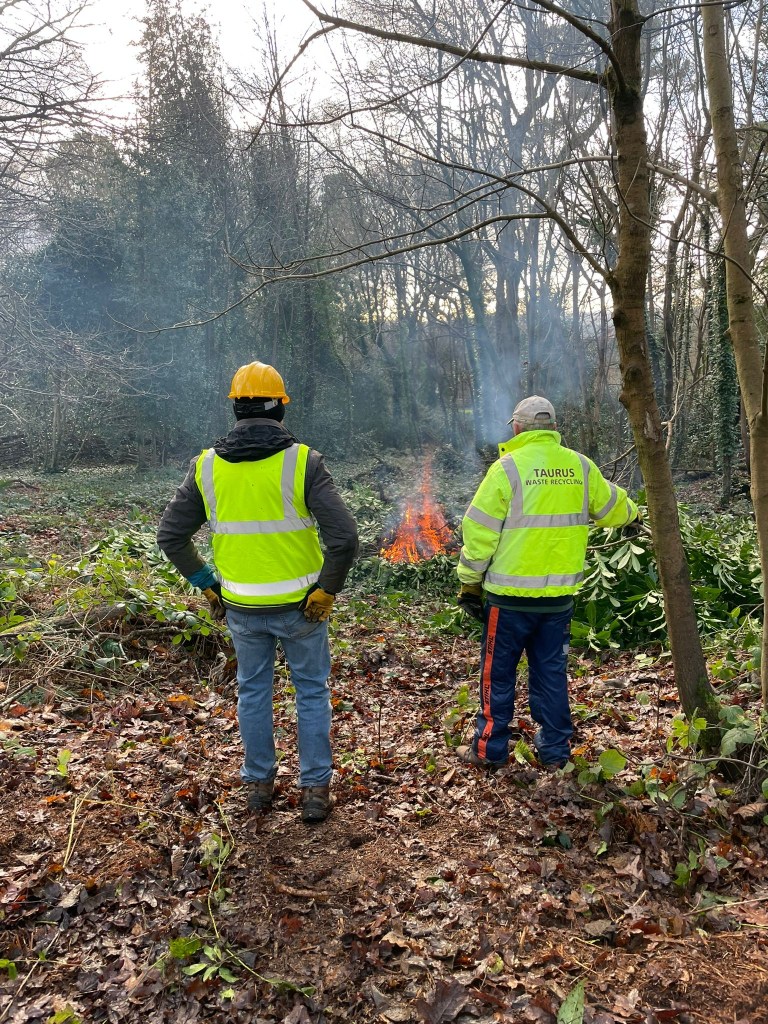
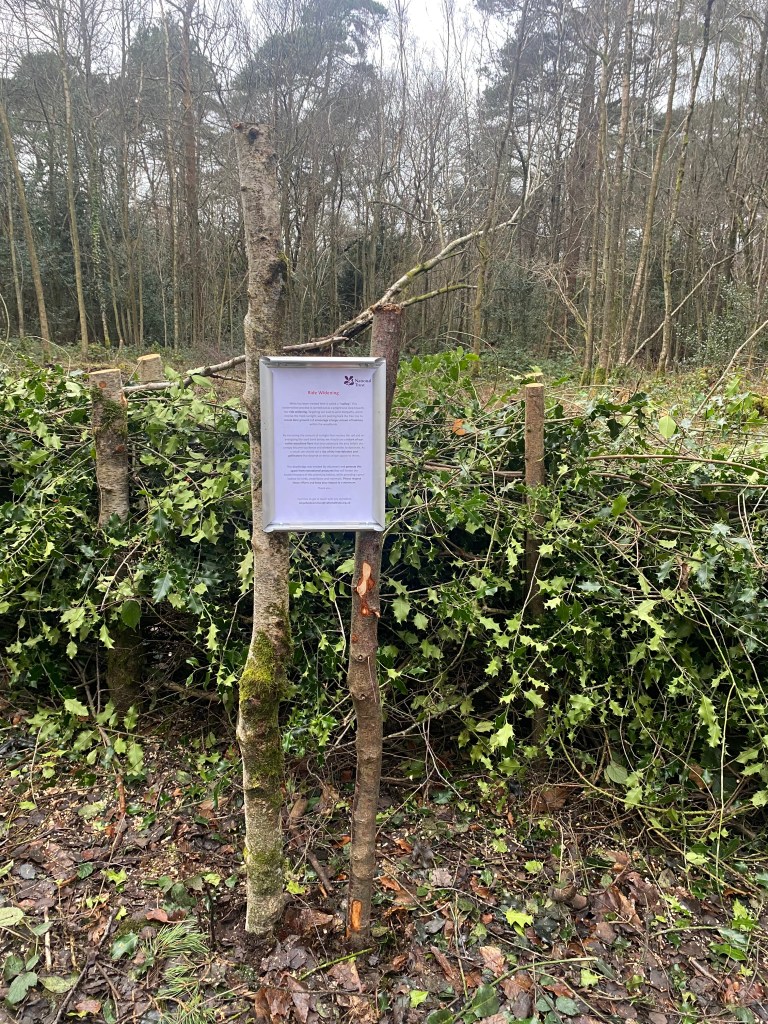
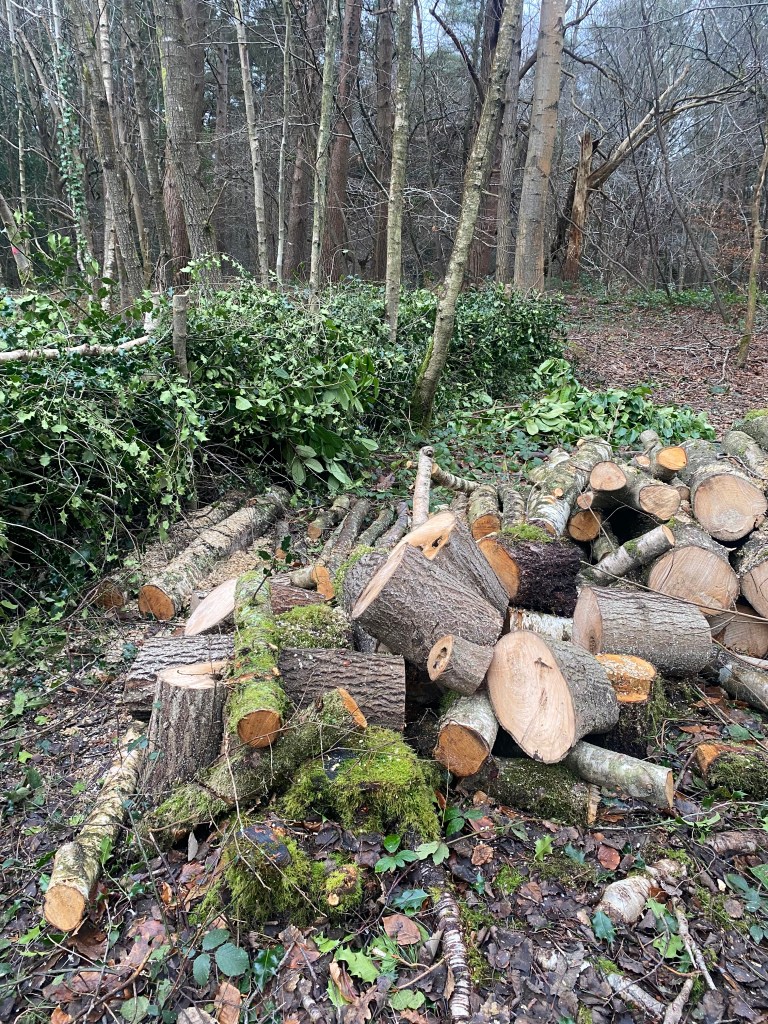
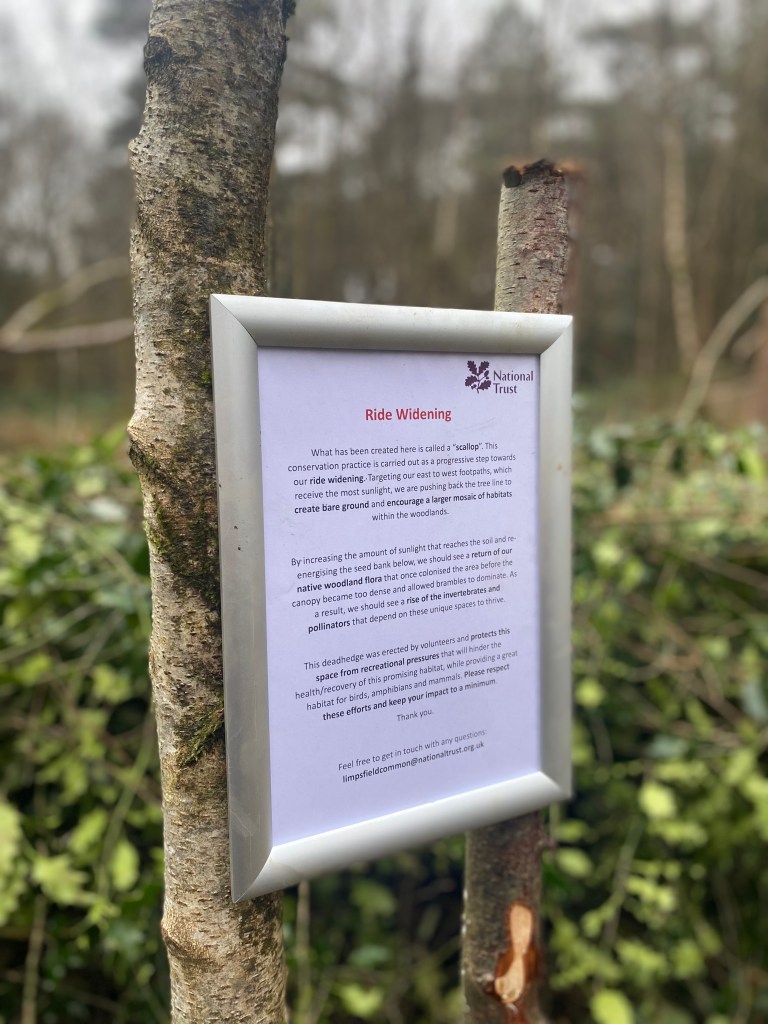


National Trust Woodland Management
Woodlands are vital ecosystems that provide numerous environmental, social, and economic benefits. They serve as habitats for wildlife, act as carbon sinks, and offer recreational spaces for people. However, to ensure that woodlands remain healthy and productive, they require active management, which involves practices that sustain and enhance the ecological balance, but which may sometimes jar with other users.
Enhancing Biodiversity
Woodland management plays a key role in supporting biodiversity. Diverse woodlands host a wide variety of plants, animals, fungi, and microorganisms, each contributing to a balanced ecosystem. Management techniques such as selective thinning, coppicing, and planting native species create a range of habitats that cater to different species. Opening the canopy allows light to penetrate, encouraging the growth of understory plants and benefiting species that depend on them. Rotational practices also ensure that different stages of woodland succession are present, supporting a variety of life forms.
Preventing Overcrowding
Without intervention, woodlands can become overcrowded, leading to competition for sunlight, nutrients, and water. Overcrowded forests often result in weaker, more stressed trees that are vulnerable to pests and diseases. Thinning out less healthy or excess trees allows the remaining ones to thrive, increasing the woodland’s overall resilience and productivity.
Mitigating Pests and Diseases
Proper woodland management helps monitor and control pests and diseases that can devastate forest health. Regular inspections and proactive measures can prevent the spread of harmful pathogens such as ash dieback or sudden oak death. By promoting species diversity and maintaining robust, healthy trees, management reduces the risk of large-scale outbreaks that can occur in neglected woodlands.
Combating Climate Change
Woodlands are a critical component of climate change mitigation. Effective management maximises this potential by maintaining vigorous tree growth and encouraging natural regeneration. Planting mixed-species woodlands ensures resilience to climate-related stresses, such as changing temperatures or altered precipitation patterns, thereby safeguarding their carbon storage capabilities.
Encouraging Sustainable Resource Use
Managed woodlands provide renewable resources such as timber, firewood, and non-timber forest products. Harvesting these materials sustainably ensures that forests continue to regenerate and thrive. Practices like continuous cover forestry (as happens on the Chart) allow for the extraction of resources while maintaining ecological integrity.
Supporting Human Engagement
Woodland management also fosters human connections with nature. Managed forests are more accessible, with better maintained paths and signage that encourage recreational use and environmental education. In turn, increased public engagement raises awareness about conservation and promotes collective responsibility for woodland preservation. This is a very important part of what we are trying to achieve on Limpsfield Common.
Preserving Heritage and Cultural Value
Many woodlands hold historical and cultural significance, from ancient trees that have witnessed centuries of change (Ridlands Grove) to archeologically and historically important sites we have on the Common (WW2 shelters and camp, Roman road, Brick kilns etc). Woodland management ensures the preservation of these elements, maintaining their historical integrity and cultural value for future generations.
We are all very fortunate and privileged to be able to use Limpsfield Chart and Limpsfield Common for walking, mountain biking and horse-riding, and the management that goes on is necessary for the preservation and conservation of the area for future generations.
If you have any questions on the national trust’s management of Limpsfield Common, please email: limpsfieldcommon@nationaltrust.org.uk.
If you wish to help support Limpsfield Common, please join the Friends if Limpsfield Common – email friendsoflimpsfieldcommon@gmail.com
Thank you.
Discover more from Friends of Limpsfield Common
Subscribe to get the latest posts sent to your email.
 Friends of Limpsfield Common