
January is a great month for twitching (bird watching) on Limpsfield Common, because there’s lots of activity and it’s much easier to spot them when there are fewer leaves on the trees.
It’s also the official month of RSPB Big Garden Bird Watch, which takes place over the last weekend of January. Make sure you sign up and pick a day over that weekend when you get spotting to see what birds you have in your garden. Just sign up on the RSPB website or app. It’s really easy to do.
Why not get out on the Common this month and see what species you can find? Read on for info about bird species on Limpsfield Common, as well as spotter sheets…
We are very lucky in Limpsfield, with 45 species of birds recorded on Limpsfield Common in the 2018 census by Graeme Lyons, including a number of rare “Birds of Conservation Concern”, such as the Stock Dove, Dunnock, Song Thrush, Bullfinch and Mistle Thrush. Ridlands Grove was the only site to include all five of these species in the last census, but there are lots of great bird-spotting sites across the Common including the green at Limpsfield Chart, Pebble Hill woodland (behind the cricket pitch at Grub Street) and Happy Valley, off New Road.
Much of the National Trust’s work to screen off specific areas from human interference is in order to protect these “at risk” birds and allow them to increase in numbers. Other birds in the area that are being encouraged back into the woodland and heathland areas are the Firecrest, Nightjar (ground nesting) and Willow Warbler.
Across the Common, but mainly in the Ridlands Grove Ancient Woodland area, you will be able to spot some boxes high up in the trees. Some of these are bird boxes, others are bat boxes and there are also a few owl boxes – see how many you can spot.

Birds to look out for on Limpsfield Common
In the trees, hedges and shrubs:
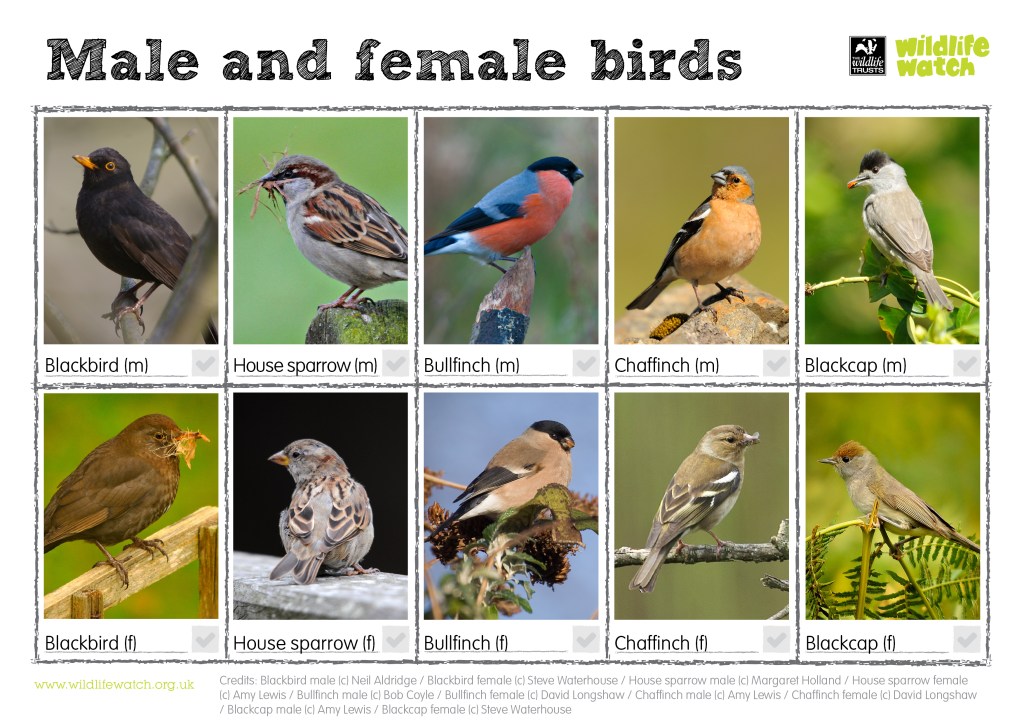
- Blackbird (male-black, female – brown)
- Blue Tit
- Great Tit
- Great Spotted Woodpecker
- Green Woodpecker
- Jay
- Magpie
- Pheasant (male – brightly coloured, female – brown)
- Robin
- Thrush
- Wood Pigeon
- Wren
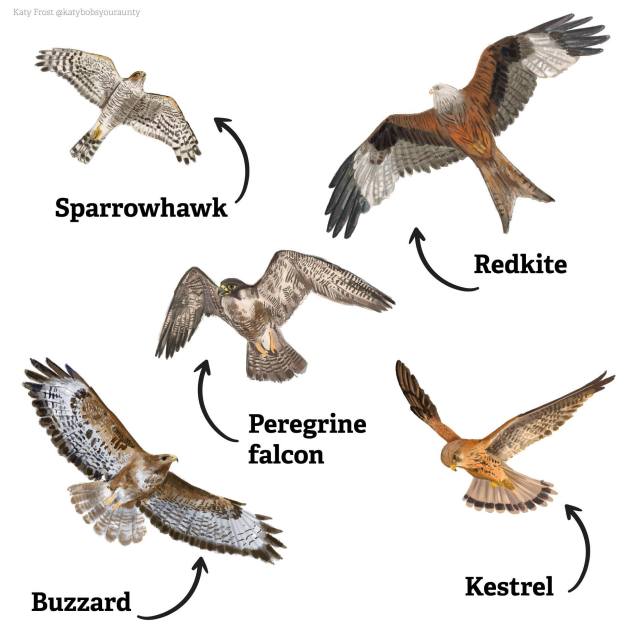
Look up! Birds of prey you might see around:
- Red Kite
- Barn Owl
- Buzzard
- Merlin
- Kestrel
- Sparrowhawk
Get prepared for Big Garden Birdwatch
- sign up on the website or app
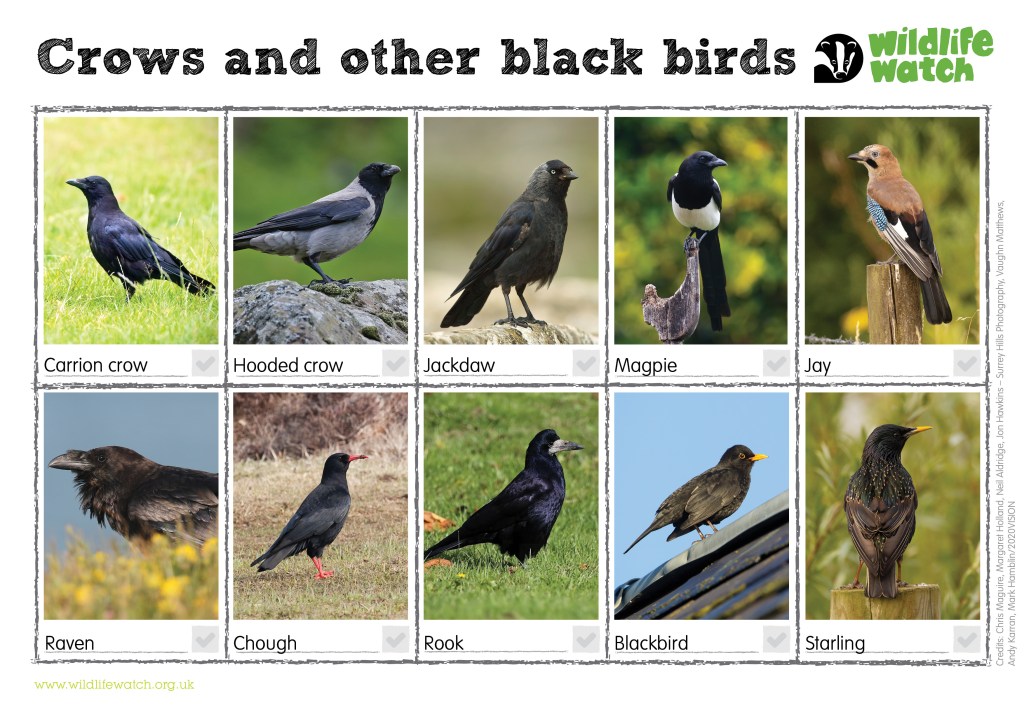
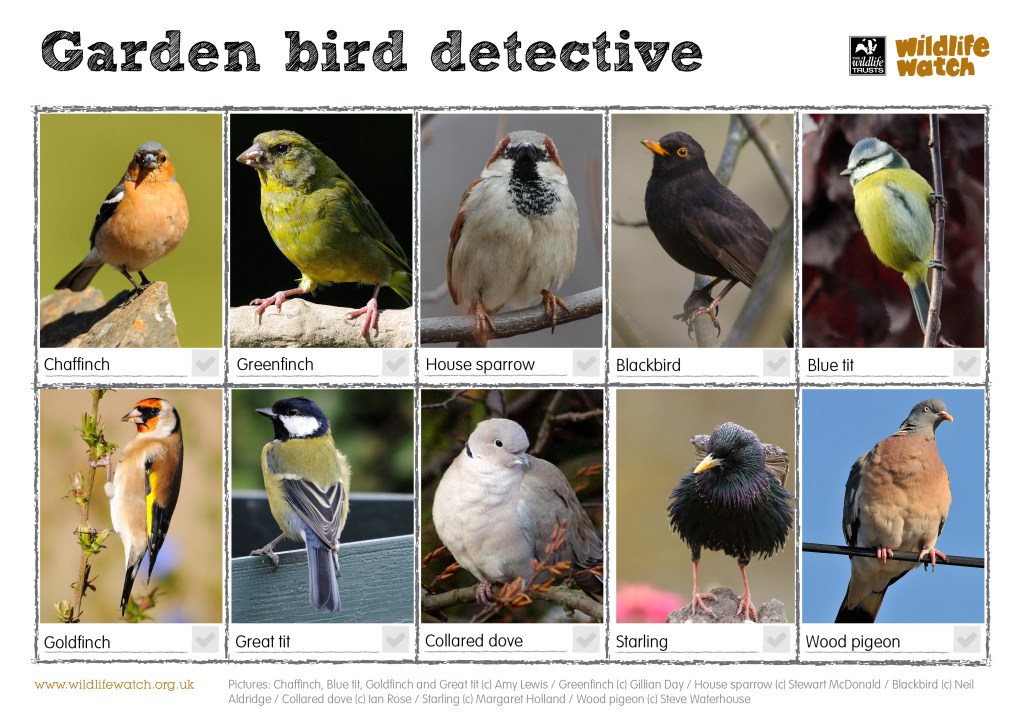
- download some spotter guides and start familiarising yourself with different types of birds
- set up a bird feeder in your garden (that’s visible from your window, but safe from cats/dogs)
To help identify birds, go to the RSPB’s website here: https://www.rspb.org.uk/birds-and-wildlife and see below some great spotter sheets you can download, courtesy of The Wildlife Trusts and The Woodland Trust…

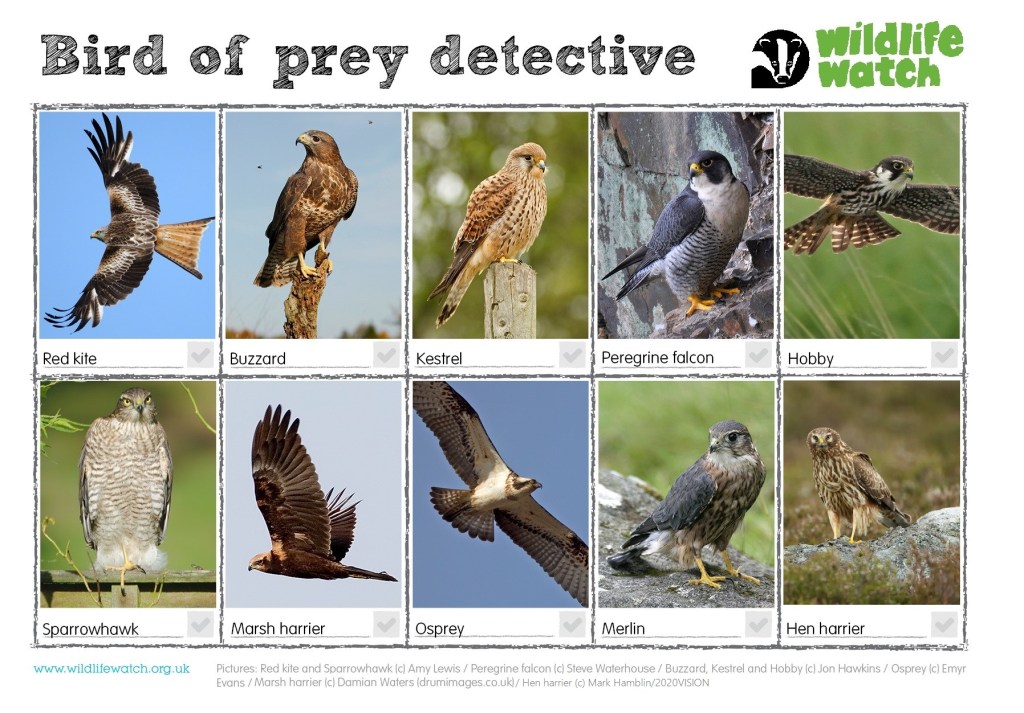

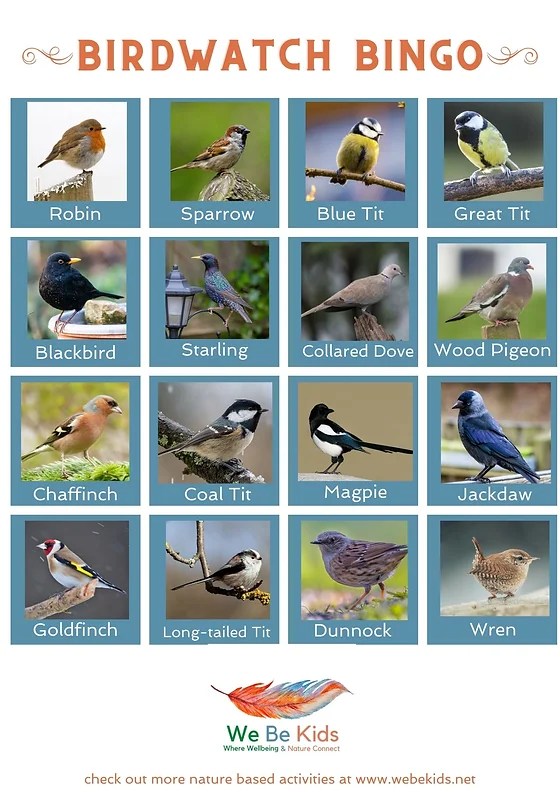
Feature image photo by René Lussi
Discover more from Friends of Limpsfield Common
Subscribe to get the latest posts sent to your email.
 Friends of Limpsfield Common