
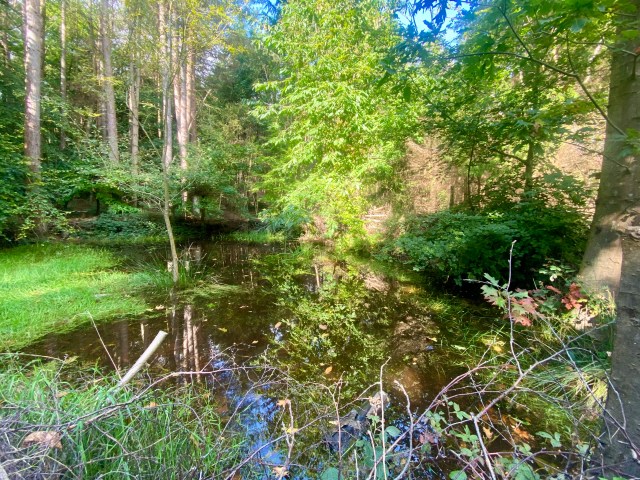
How amazing is Yalden Spring looking at the moment? The conservation of this beautiful place in the Chart woods, and bringing it back to SSSI standards is one of our main priorities for ecological reasons. It’s an absolute haven for so many species of wildlife, but particularly important for reptiles and amphibians.
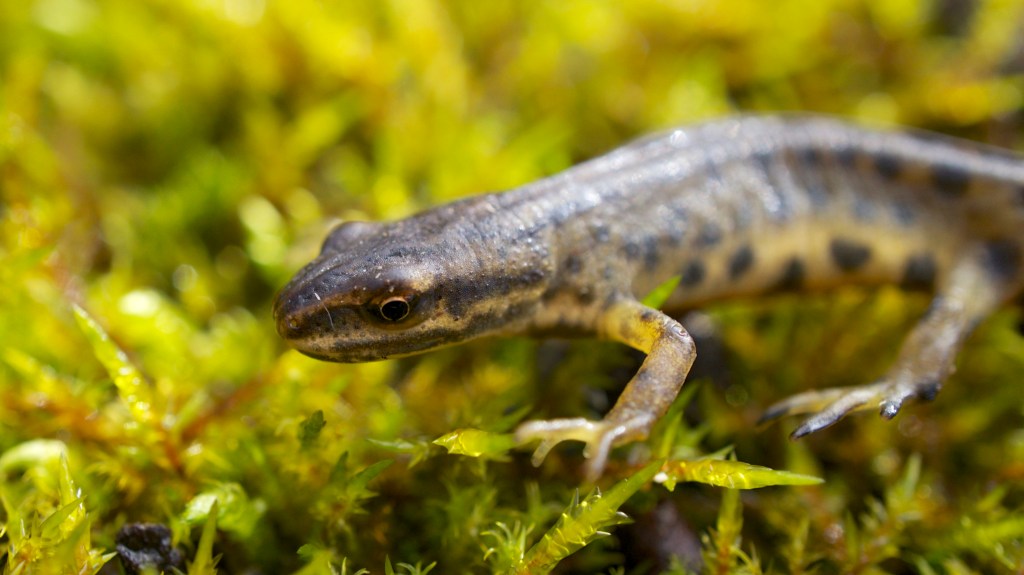
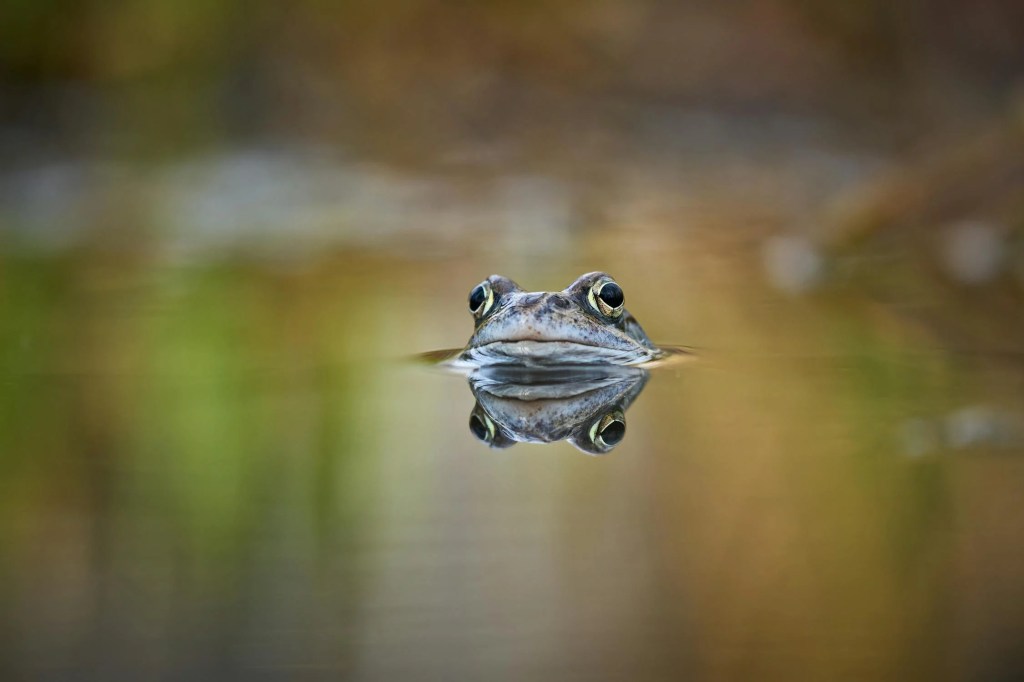
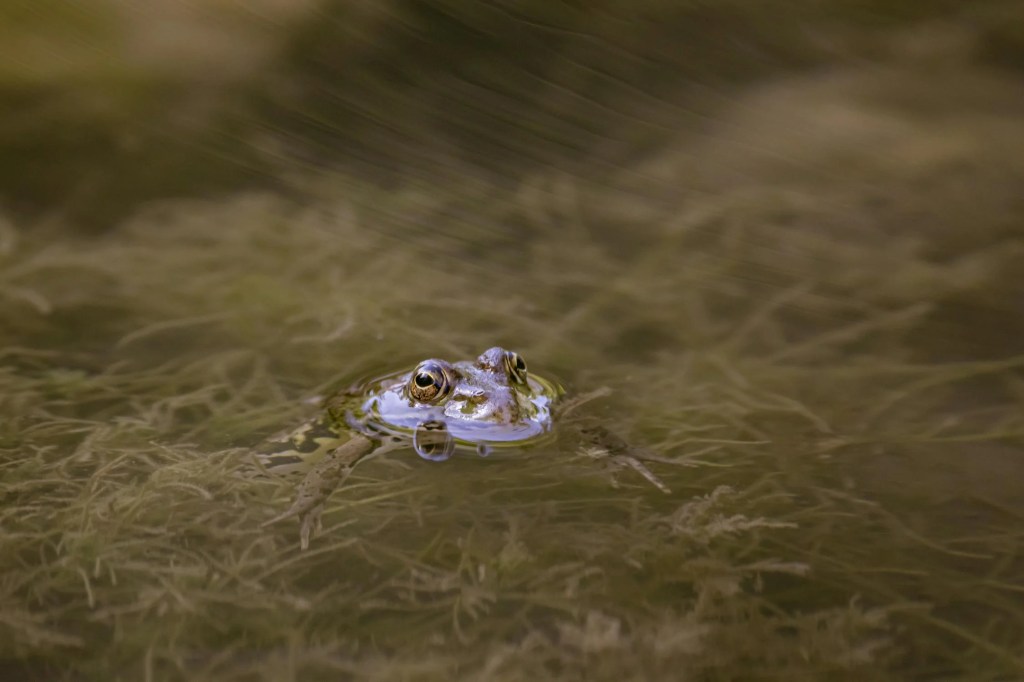
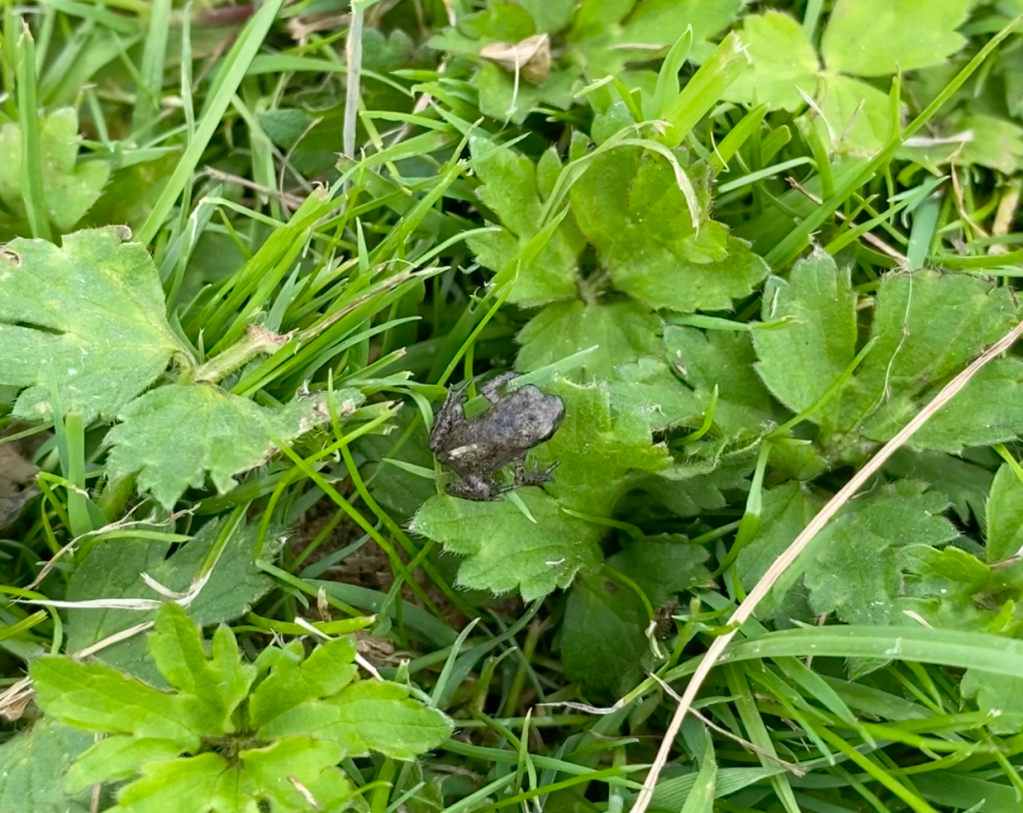
Frogs and newts are incredibly important to wildlife and ecosystems for a variety of reasons, contributing to biodiversity, food chains, and environmental health. Helping the frogs, toads, newts and other amphibians of Limpsfield Common is why preserving Yalden Spring is one of our key project priorities.
Here’s why frogs, toads and newts are crucial to Limpsfield Common and the environment in general…
1. Indicators of Environmental Health
- Bioindicators: Frogs have permeable skin that makes them highly sensitive to environmental changes, such as pollution, climate change, and habitat destruction. Because of this sensitivity, frogs are often the first species to be affected by environmental stress, making them excellent bioindicators of ecosystem health. A decline in frog populations can signal problems like water pollution, habitat degradation, or the presence of harmful chemicals.
- Early Warning System: The decline or disappearance of frogs in an area can serve as an early warning for broader environmental issues that may eventually affect other species, including humans.
2. Key Role in the Food Chain
- As Prey: Frogs are a vital food source for a wide range of predators, including birds, snakes, fish, mammals, and other amphibians. Their eggs and tadpoles are also consumed by many aquatic species. The disappearance of frogs can disrupt food chains and negatively impact the species that depend on them for survival.
- As Predators: Frogs play an important role in controlling insect populations, especially mosquitoes, flies, and other pests. By eating large quantities of insects, frogs help regulate populations of potential disease carriers, which can have far-reaching benefits for both wildlife and humans.
3. Maintaining Ecosystem Balance
- Pest Control: As natural predators of insects and other small invertebrates, frogs help maintain the balance of ecosystems. Without frogs, certain insect populations could grow unchecked, potentially leading to crop damage, the spread of diseases (e.g., malaria, dengue), and an overall imbalance in the ecosystem.
- Energy Transfer in Ecosystems: Frogs help transfer energy between aquatic and terrestrial ecosystems. For instance, tadpoles feed on algae in water bodies, helping control algae growth, and later as adult frogs, they become part of the terrestrial food web. This movement between different environments helps maintain ecological balance in both aquatic and land habitats.
4. Nutrient Cycling
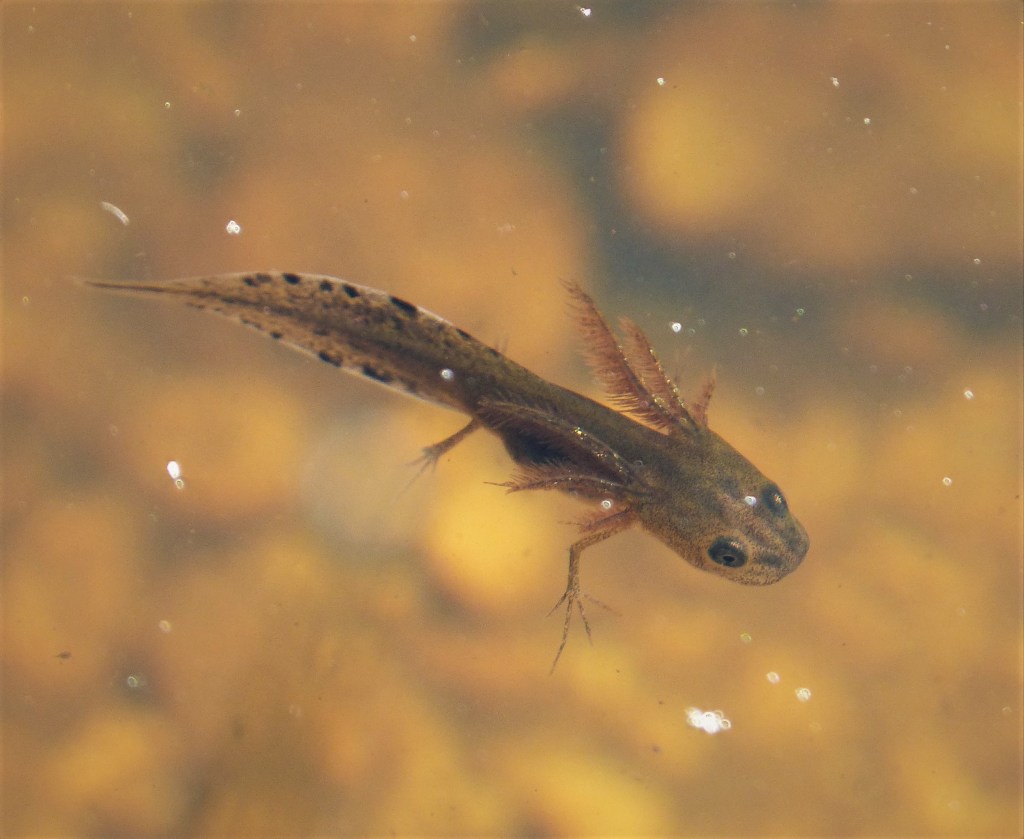
- Tadpoles’ Role in Water Systems: Tadpoles play an important role in nutrient cycling within aquatic systems. By consuming algae and decaying plant material, they help recycle nutrients and improve water quality. This not only benefits the ecosystem but also supports other aquatic organisms like fish and invertebrates.
- Contributing to Soil Health: Frogs help maintain the health of the soil by consuming insects that could otherwise damage plant roots and by contributing organic matter (in the form of dead bodies or waste) that enriches the soil.
5. Support for Biodiversity
- Amphibians in Diverse Ecosystems: Frogs are found in a wide range of ecosystems, from rainforests and wetlands to deserts. By occupying different ecological niches, they contribute to overall biodiversity. Their presence supports the complex web of life in these ecosystems, making them vital for the survival of many species.
- Keystone Species: In some ecosystems, frogs can act as keystone species, meaning their presence or absence has a disproportionate effect on the structure and function of the ecosystem. If frogs are removed, it can cause cascading effects throughout the food chain, disrupting the balance of the ecosystem.
6. Medical and Scientific Importance
- Research and Medicine: Frog skin contains compounds that have potential medical applications. Some frog species produce powerful antimicrobial peptides that are being studied for use in antibiotics and treatments for various diseases. Additionally, frogs are commonly used in scientific research, especially in studies related to developmental biology, genetics, and toxicology.
- Model Organisms: Frogs have long been used as model organisms in research, particularly for studying vertebrate development and physiology. For instance, the African clawed frog (Xenopus laevis) has been a key model in embryology and molecular biology studies.
7. Contribution to Cultural and Ecological Value
- Cultural Importance: Frogs have significant cultural value in many human societies, appearing in myths, stories, and traditional beliefs. In some cultures, they symbolize fertility, renewal, and transformation.
- Ecosystem Services: The ecological roles that frogs fulfill—such as pest control, nutrient cycling, and food provision—are essential services that benefit not only wildlife but also human communities, especially those living near wetland areas or forests.
8. Support for Wetland Ecosystems
- Wetland Health: Frogs are particularly abundant in wetlands, where they contribute to the ecological functions of these areas. Wetlands provide critical services like water purification, flood control, and carbon storage. Healthy frog populations help ensure the health of wetlands by supporting biodiversity and maintaining the balance of these ecosystems.
9. Conservation Significance
- Vulnerable Species: Frogs are among the most threatened groups of animals, with many species facing extinction due to habitat destruction, pollution, climate change, and diseases like chytridiomycosis. Their decline signals broader environmental challenges that need urgent attention, as frogs play irreplaceable roles in maintaining ecosystem health.
- Protecting Frogs Protects Other Species: Conservation efforts aimed at protecting frog habitats, such as wetlands, forests, and rivers, often benefit other species that share these habitats. Thus, protecting frogs helps conserve broader ecosystems and the diversity of life they support.
Frogs and newts are essential to wildlife and the environment due to their roles as bioindicators, contributors to food chains, controllers of pests, and enhancers of biodiversity. By maintaining healthy ecosystems, they benefit both wildlife and humans, highlighting the importance of their conservation. The loss of frog populations would not only impact other species but also threaten the stability of entire ecosystems.
If you haven’t visited Yalden Spring – it’s on the Family Activity Trail that goes from High Chart Car Park on Moorhouse Road.
If you visit, please respect the hedging that is there to stop people and dogs going in the pond and disturbing the habitat. Keep dogs on a lead. Thank you!
Discover more from Friends of Limpsfield Common
Subscribe to get the latest posts sent to your email.
 Friends of Limpsfield Common
Pingback: Why we need you to help keep dogs out of Yalden Spring – Friends of Limpsfield Common