
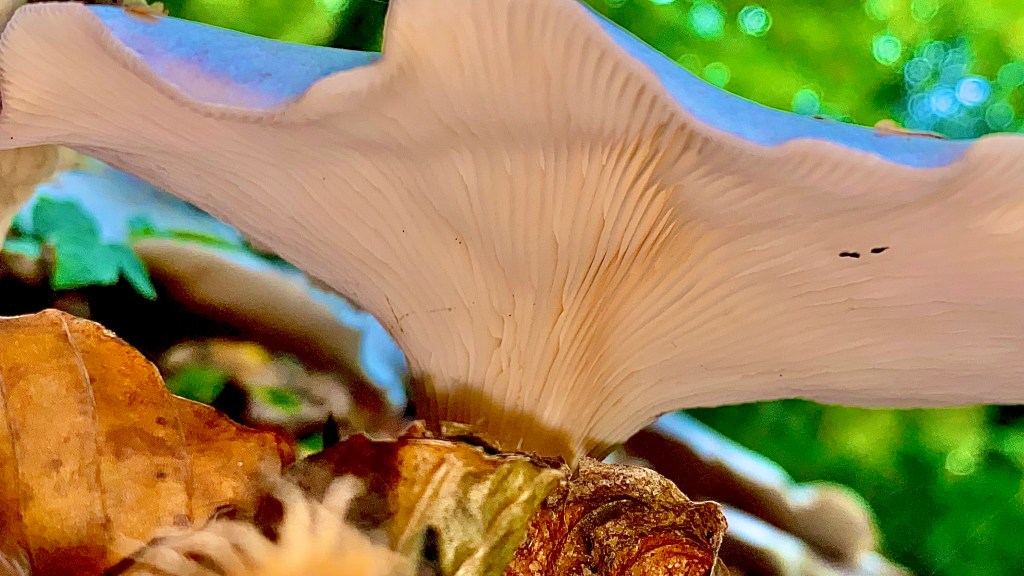
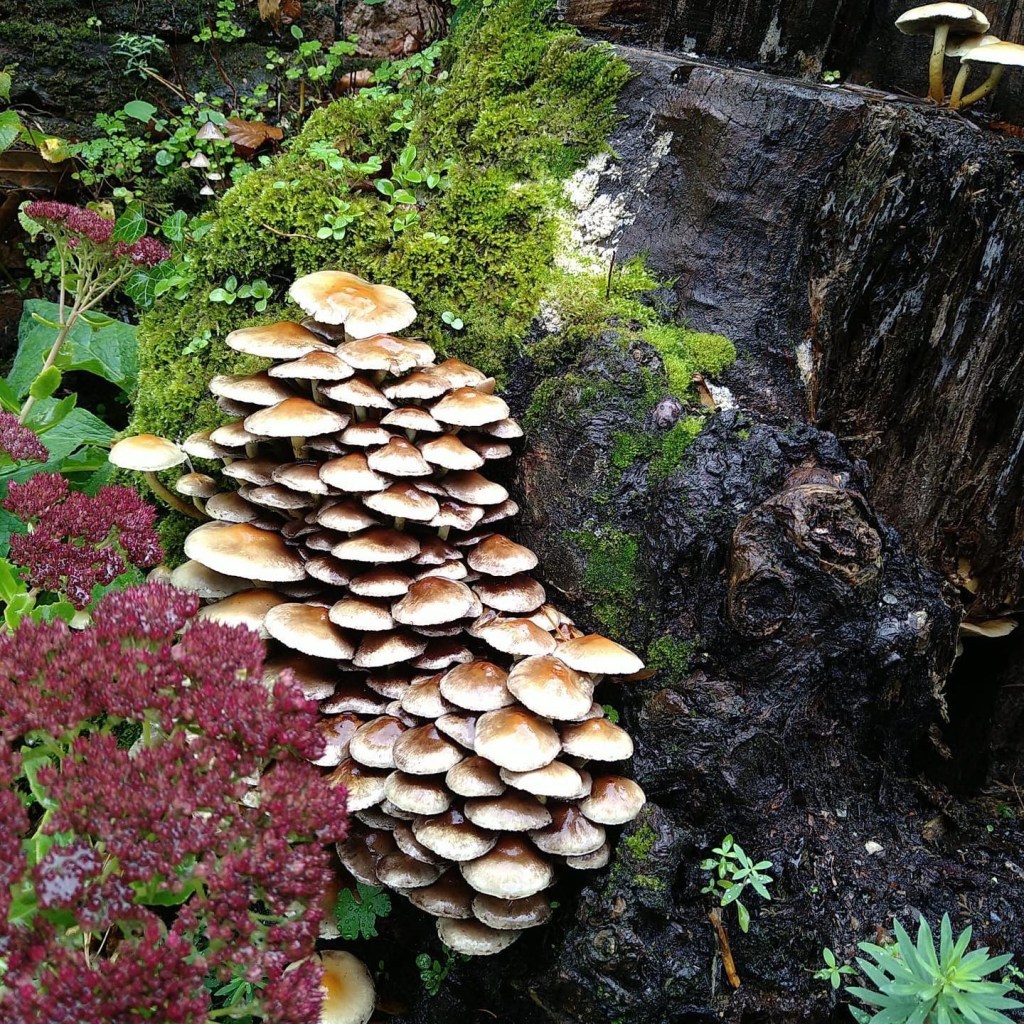
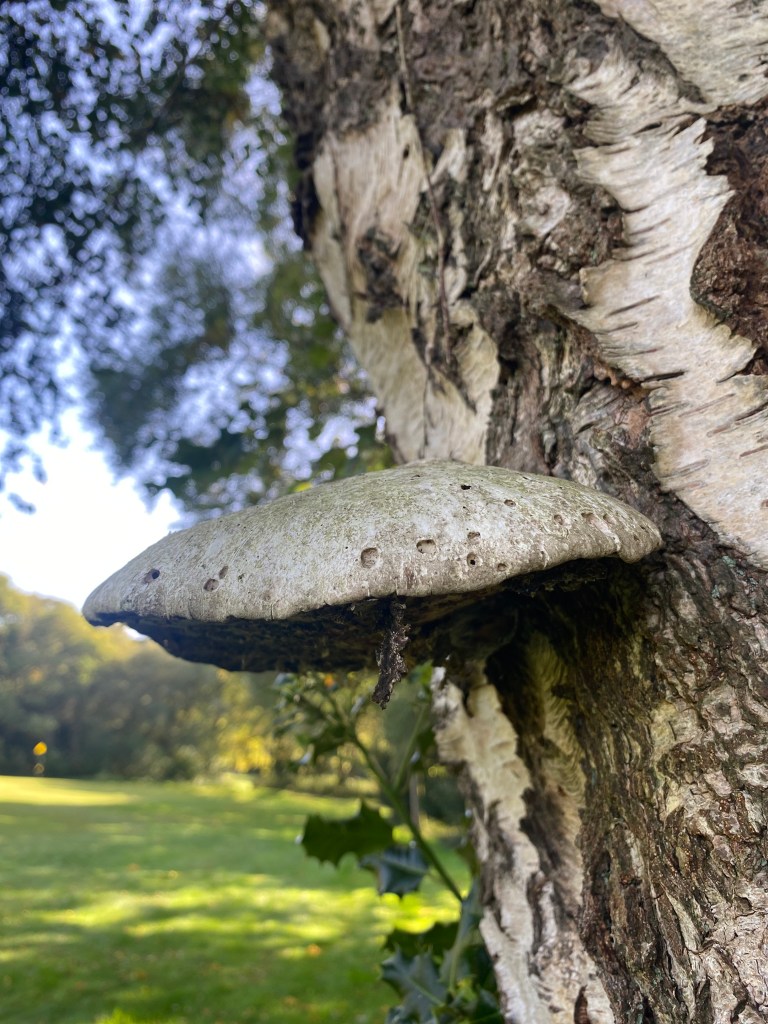
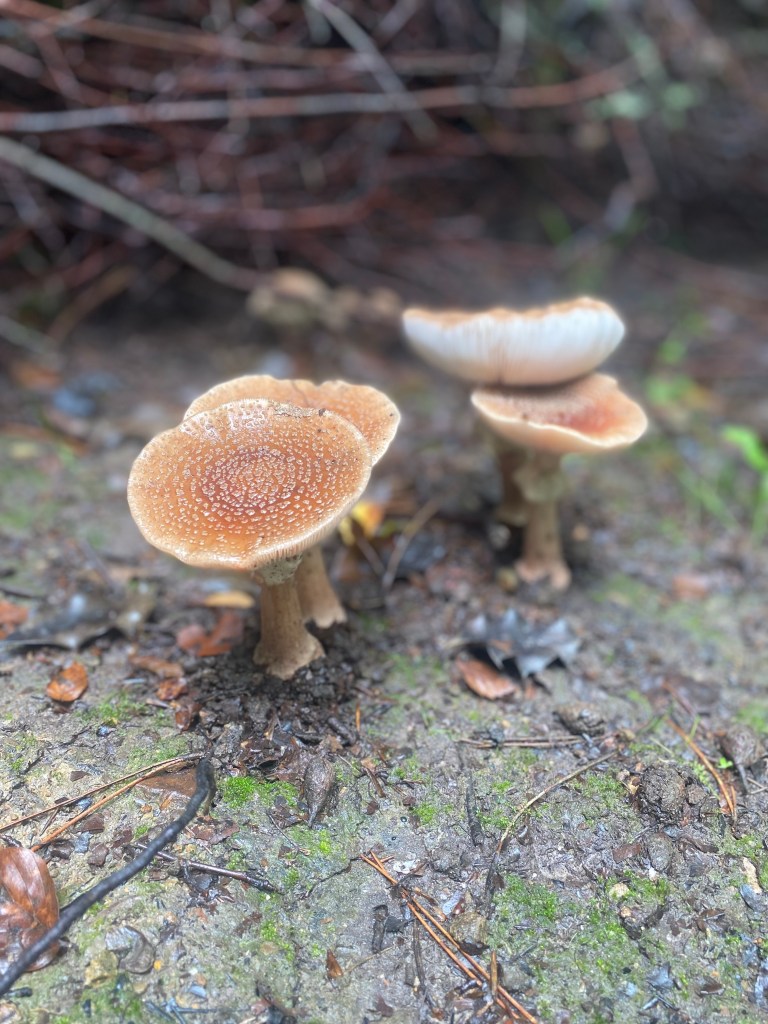
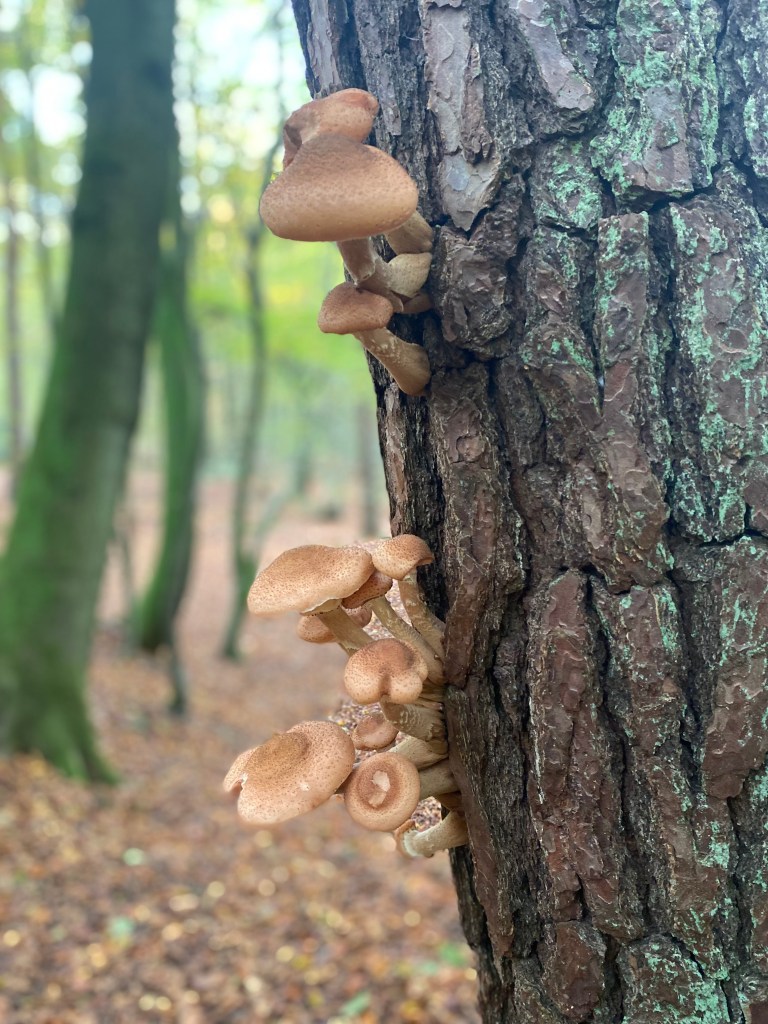
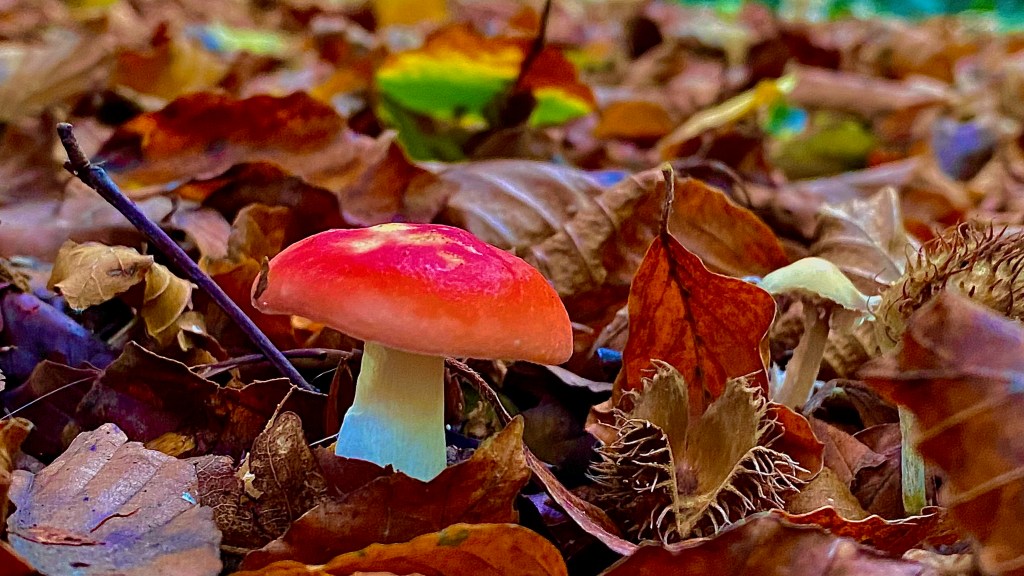
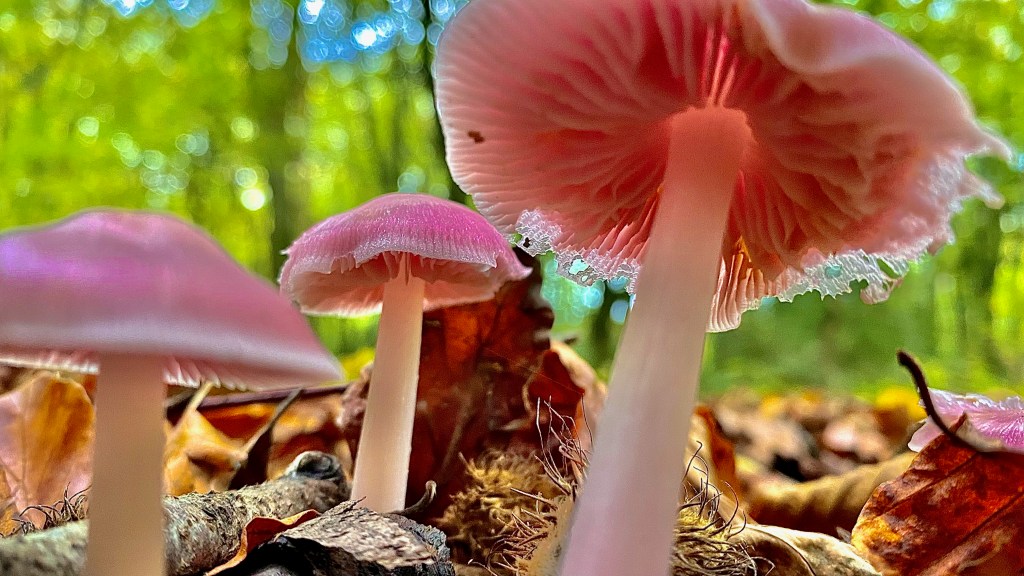
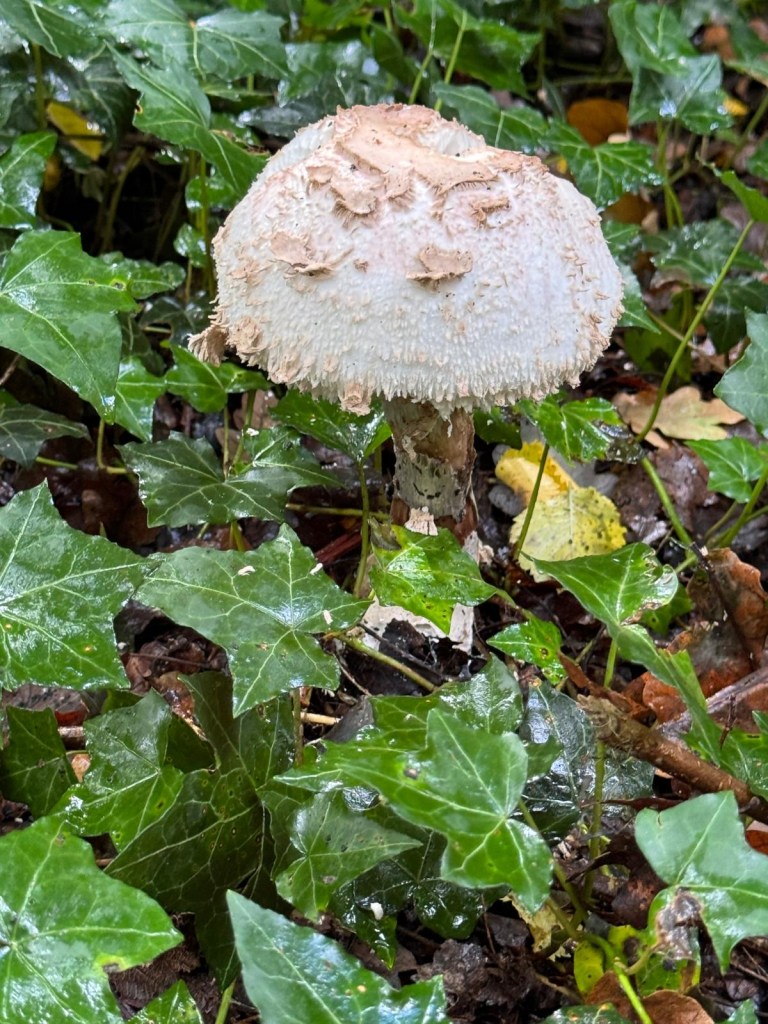
It’s mushroom season and they’re cropping up all over the common and Limpsfield Chart. Fungi play a vital role in the environment, contributing to ecosystem balance, nutrient cycling, and the health of plants and animals. Here are 10 reasons why fungi are essential to Limpsfield Common and the environment in general…
1. Decomposers in Ecosystems
- Nutrient Recycling: Fungi are the primary decomposers of organic material, such as dead plants, animals, and other organic matter. They break down complex compounds like cellulose and lignin, releasing essential nutrients (like carbon, nitrogen, and phosphorus) back into the soil. Without fungi, dead material would accumulate, and nutrients would remain locked in unusable forms.
- Soil Formation: By decomposing organic material, fungi help build and maintain healthy, nutrient-rich soil, which is critical for plant growth.
2. Mycorrhizal Associations with Plants
- Symbiotic Relationships: Many fungi form mycorrhizal relationships with plant roots, where both organisms benefit. The fungi help plants absorb water and essential nutrients like phosphorus and nitrogen, while the plants provide carbohydrates to the fungi through photosynthesis.
- Improved Plant Health: These relationships enhance plant growth, increase resistance to drought, and protect plants from harmful pathogens. Over 90% of plant species depend on mycorrhizal fungi for survival and optimal growth.
3. Soil Structure and Health
- Soil Aggregation: Fungi contribute to the physical structure of soil. Certain fungi, like arbuscular mycorrhizae, help bind soil particles together, forming aggregates that improve soil aeration, water retention, and stability, which benefits plant growth.
- Erosion Prevention: Fungal networks hold soil together, helping prevent erosion, especially in forests and grasslands.
4. Disease Control and Pest Management
- Natural Control Agents: Some fungi are natural pathogens to insects and other pests. These fungi act as biological control agents in ecosystems, helping to maintain pest populations at manageable levels without the need for harmful pesticides.
- Defense Against Plant Pathogens: Certain fungi produce compounds that can inhibit the growth of pathogenic organisms that attack plants, providing a natural defense mechanism.
5. Carbon Sequestration
- Absorbing Atmospheric CO₂: Fungi, particularly those involved in forest ecosystems, play a role in carbon sequestration. Mycorrhizal fungi help forests store carbon by improving plant biomass production, thus reducing the amount of CO₂ in the atmosphere and mitigating climate change.
6. Role in Food Chains
- Food Source: Fungi are a food source for many organisms. Certain fungi, like mushrooms, are consumed by insects, animals, and humans. Other fungi serve as prey for micro-organisms and small animals, contributing to diverse food webs.
- Parasitism and Predation: Some fungi are parasites or predators that help control populations of other organisms, which balances ecosystems.
7. Bioremediation
- Degrading Pollutants: Fungi are used in bioremediation, a process that helps degrade toxic substances, such as oil spills, heavy metals, and synthetic chemicals. Certain fungi can metabolize pollutants, converting harmful substances into less toxic or non-toxic compounds.
- Detoxifying Soil and Water: They play a crucial role in breaking down and absorbing environmental pollutants, thereby detoxifying soils and water systems.
8. Endophytes and Plant Protection
- Endophytic Fungi: Some fungi live inside plants (endophytes) without causing harm, and in return, they provide protection by producing chemicals that deter herbivores or by enhancing the plant’s ability to withstand environmental stresses like drought or heat.
9. Contributions to Biodiversity
- Species Richness: Fungi contribute to overall biodiversity. They exist in a wide range of forms (mushrooms, molds, yeasts) and ecological niches. Fungal biodiversity helps maintain ecosystem resilience by supporting complex food webs and interactions.
10. Biotechnological and Medical Contributions
- Antibiotics and Medicines: Fungi, like the mold Penicillium, have been sources of important antibiotics (e.g., penicillin) and other pharmaceutical products.
- Enzymes and Biotechnology: Fungal enzymes are used in various industries for biotechnological processes, such as biofuel production, waste treatment, and food processing.
Fungi are fundamental to environmental health and sustainability. They support nutrient cycling, soil health, plant growth, and ecosystem resilience, while also contributing to climate regulation and biodiversity. Without fungi, ecosystems would collapse, as they are essential for breaking down organic matter and maintaining the balance of life.
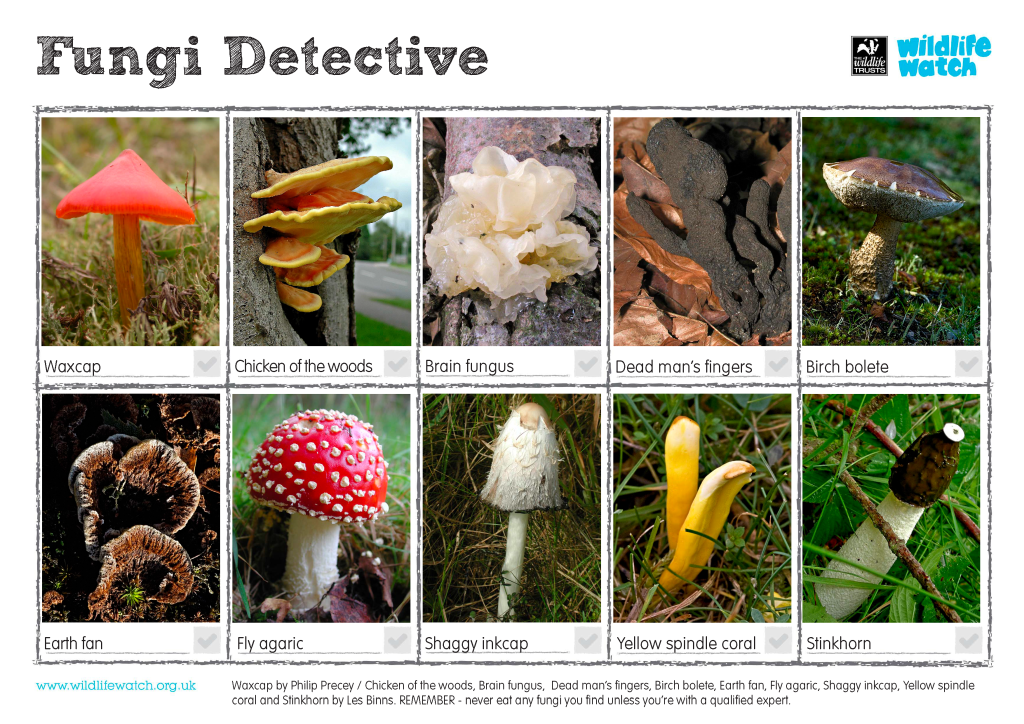
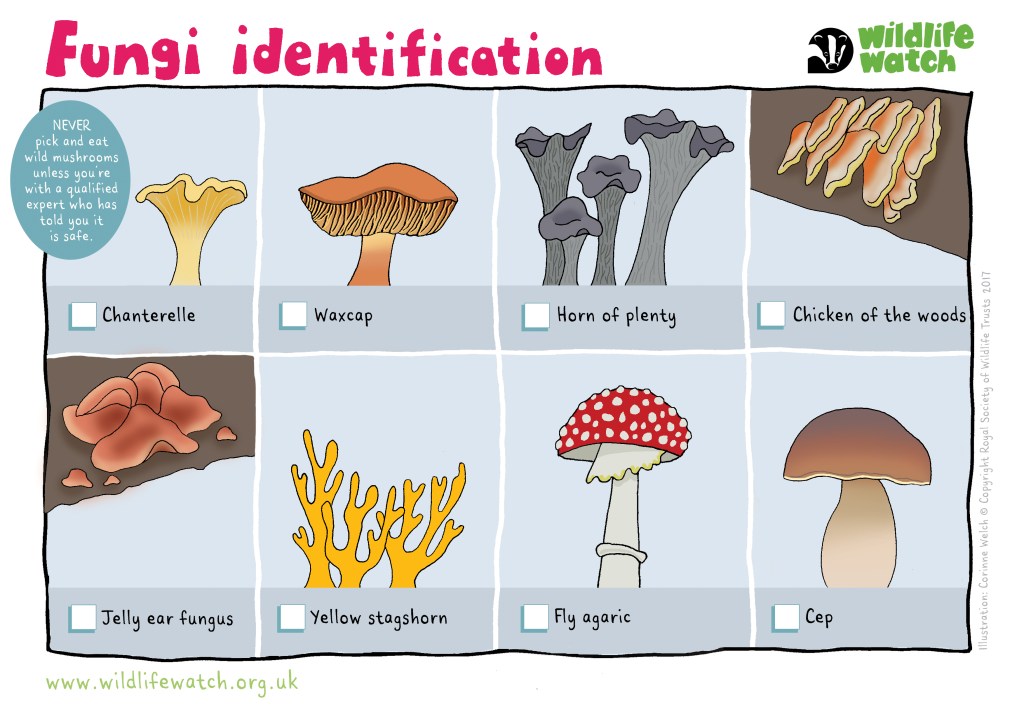
So why not get to know some fungi today?! Please try not to pick them on the common. They’re much more important to the local wildlife than the are necessary for your dinner table!
Discover more from Friends of Limpsfield Common
Subscribe to get the latest posts sent to your email.
 Friends of Limpsfield Common