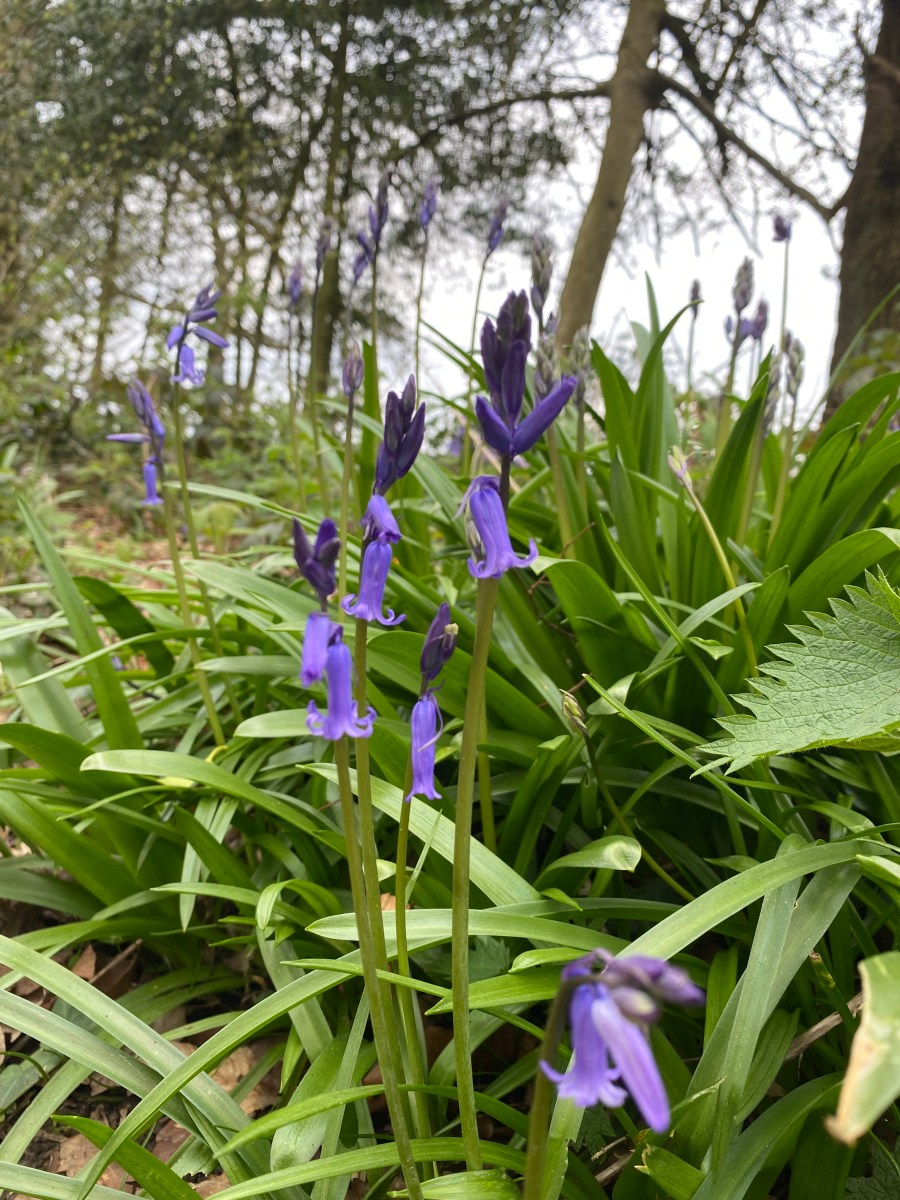
Spring on Limpsfield Common has brought great signs of revitalisation in both the woodlands and heaths.
Native flora and fauna have been found emerging and inhabiting spaces that have received attention over the last year. There is a new bluebell patch adjacent to the heathland on New Road, accompanied by clusters of honeysuckle along the woodland edge, as well as bountiful patches of Wild Strawberry, Honeysuckle, and Betony on the top of Scearn Bank. Bilberry, Wavy Bittercress and Yellow Archangel can all be seen along the sides of woodland paths that were widened in the winter months to encourage exposure to sunlight.
This is really exciting for us with regards to its impact on the potential increase of certain other wildlife, particularly the endangered and strictly protected Dormouse.
In order to support our programme of helping the heathland to re-emerge in the area through scrapes and clearance, we will be undertaking significant heather plugging (planting of heather) and would ask that dog walkers and riders keep clear of these areas, which will be clearly marked out, in order to give the heather a chance to take.
Heritage Project
In April, the Friends of Limpsfield Common and National Trust collaborated to put together a training day for locals interested in the surveying and recording of archaeology on Limpsfield Common. From this, a Heritage and Archaeology Ranger Team (HART) will be formed to document and preserve the rich history of the common. There are many sites of archeological interest across The Chart and Limpsfield Common which present an expansive narrative and importance of the Common throughout the ages.
Security
Security lights, cameras and height barriers have been erected in some of our car parks to deter the increasing anti-social behaviour associated with these areas. There has already been a notable reduction of this activity and a gradual increase in locals returning to these areas. Height barriers have most recently been installed in High Chart and New Road in the hopes this trend will continue and reduce the possibility of any major fly-tipping occurrences.
Protection of habitats
You may have noticed some changes have been made to the accessibility around the Common in the last few months. The Task Force, in partnership with the Friends of Limpsfield Common, have been carrying out an effort to review and replace various ‘waymark’ posts amongst the footpath network, ensuring they are suitably visible with more accurate signalling. Alongside this, numerous small, undesignated trails are being blocked off to prevent any further fragmentation and disruption of these habitats – a necessary response to the increase of recreational activity on the Common over the last decade.
Please keep to the designated footpaths and bridleways (including your dogs) in order to protect the habitats of ground nesting birds and other wildlife we would like to remain in the area.
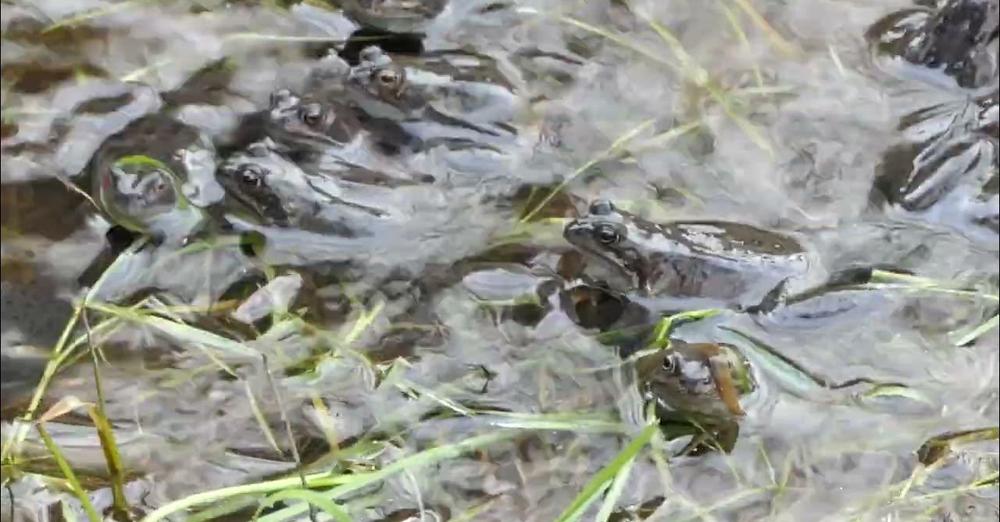
We would also ask that you respect the fencing around Yalden Spring, which is part of the programme to reinvigorate this important site, protecting the biodiversity of the pond area. Please try to prevent your dogs from going into the pond, which is an important habitat for newts, frogs and other pond-dwelling creatures. Thank you.
These last few months have been full of reassurances that the work we are carrying out on the common, with help from the Friends of Limpsfield Common and The Task Force, is providing the desired result. With ongoing habitat condition surveying this year, the Trust is confident that our management plan of Limpsfield Common will ensure habitats are going in the right direction to reach their full ecological potential.
Conor McNeil – Countryside Ranger – Limpsfield Common
Discover more from Friends of Limpsfield Common
Subscribe to get the latest posts sent to your email.
 Friends of Limpsfield Common